Why Dogs Sleep So Much and How Better Sleep Improves Their Health
Introduction
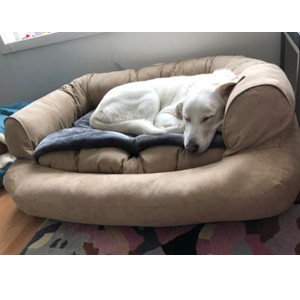
Dog Sleeping On A Bolster Dog Bed
Have you ever looked over at your dog and wondered, “Why does my dog sleep so much?” If your furry companion seems to spend a large part of the day napping, there’s usually no reason to worry. Dogs naturally sleep more than humans, and getting plenty of rest is an important part of staying healthy and happy.
Unlike people, who often follow a more consistent sleep schedule, dogs tend to sleep in shorter periods throughout the day and night. Puppies, senior dogs, and highly active dogs may need even more sleep to support their growing, aging, or hardworking bodies. So, a dog that spends hours curled up on the couch may simply be getting the rest it needs.
However, a sudden change in your dog’s sleeping habits is worth paying attention to. If your dog starts sleeping significantly more or less than usual, seems unusually tired when awake, or shows other changes in appetite, behavior, or energy, it could be a sign that something is wrong.
Good-quality sleep does much more than help dogs feel rested. It supports physical recovery, immune system function, stress management, and emotional well-being. From repairing muscles after an active day to helping the body maintain healthy immune defenses, sleep plays an essential role in your dog’s overall health.
Understanding how much dog’s sleep, key factors that affect sleep, how their sleep cycles work, and what you can do to create a better sleep environment can help you give your companion the rest they need to thrive.
Key Factors That Affect Sleep
Dogs spend a surprising amount of time sleeping and for good reason. Quality sleep is essential for a dog’s physical health, mental well-being, growth, and recovery. But have you ever wondered why your dog sleeps more on some days than others?
Here are some of the most common factors that can influence dog sleep:
1. Age
Age is one of the biggest factors that affect dog sleep.
- Puppies need plenty of sleep because their bodies and brains are developing rapidly. It’s normal for a young puppy to spend much of the day sleeping between periods of eating, playing, and exploring.
- Senior dogs may also sleep more than adult dogs. As dogs age, they may have lower energy levels and require more rest and recovery.
- Adult dogs often have a more established sleep routine, although individual needs can vary.
2. Your Dog’s Sleeping Environment Matters
Just like humans, dogs sleep best when they feel comfortable and secure.
A sleeping area that is too noisy, bright, hot, cold, or uncomfortable can interfere with rest. Some dogs also prefer sleeping near their family, while others enjoy a quieter space where they won’t be disturbed.
To create a dog-friendly sleep environment, consider providing:
- A comfortable, appropriately sized dog bed
- A quiet area away from heavy household traffic
- A comfortable room temperature
- Reduced noise and nighttime disruptions
- A familiar blanket or toy, when appropriate
A consistent and comfortable sleeping space can help your dog develop better sleep habits.
A comfortable dog bed, a quiet sleeping area, out of the way of heavy traffic, and a comfortable room temperature can help create a more restful environment.
3. Exercise and Activity Level Matter
A dog’s daily activity can have a major impact on their ability to settle down and sleep.
Regular exercise helps dogs use their physical energy and can encourage healthy rest. A dog that doesn’t get enough activity may become restless or have difficulty settling at bedtime.
However, more exercise isn’t always better. Your dog’s ideal activity level depends on factors such as age, breed, size, fitness, and health.
Daily walks, play sessions, and age-appropriate activities can help support a healthy balance between activity and rest.
4. Mental Stimulation Can Influence Sleep
Physical exercise isn’t the only way to tire out a dog. Mental stimulation is important, too.
Dogs need opportunities to sniff, explore, learn, and solve problems. Without enough mental enrichment, some dogs may become bored, restless, or more difficult to settle.
Try incorporating activities such as:
- Training sessions
- Puzzle toys
- Scent games
- Interactive play
- Food enrichment
- Exploring new walking routes
A mentally satisfied dog may find it easier to relax when bedtime arrives.
Physical exercise isn’t the only way to tire out a dog. Mental stimulation is important, too.
5. Diet and Mealtimes May Affect Dog Sleep
What and when your dog eats may also affect their sleep. A large meal right before bedtime could make some dogs uncomfortable, while an inconsistent feeding routine may disrupt their usual schedule.
A balanced diet supports overall health, while an inconsistent feeding schedule may make it harder to maintain a predictable daily routine.
Keeping meals on a consistent schedule and following your veterinarian’s recommendations for your dog’s diet can help support their overall well-being.
Providing a balanced diet and maintaining a consistent feeding routine can help support your dog’s overall well-being.
6. Health Problems Can Change Sleep Habits
Changes in sleep can sometimes be connected to your dog’s health. Sometimes, a change in sleep is more than a change in routine.
Pain, digestive discomfort, allergies, anxiety, age-related changes, and other health problems can affect how comfortably a dog sleeps.
Pay attention to significant changes such as:
- Sleeping much more or much less than usual
- Frequently waking during the night
- Difficulty getting comfortable
- Restlessness or pacing
- Changes in appetite or energy
- Whining or other unusual nighttime behavior
If your dog’s sleep pattern changes suddenly or persists, particularly when accompanied by other symptoms, contact your veterinarian.
7. Stress and Anxiety Can Disrupt Sleep
Stress is another important factor that can affect dog sleep.
Dogs may react to changes in their environment, household routine, moving to a new home, unfamiliar people, loud noises, separation, or other stressful experiences. A stressed dog may have trouble settling, wake frequently, pace, or seem unusually restless, that interferes with sleep.
A predictable routine can help dogs feel more secure. Giving your dog a calm place to relax and maintaining consistent daily habits may also make bedtime easier.
If anxiety appears severe, persistent, or suddenly develops, speak with your veterinarian for guidance.
8. Daily Routine
Dogs often thrive on routine. Regular times for meals, walks, play, training, and rest can help them understand what to expect throughout the day. It can help them develop a predictable sleep schedule.
A predictable evening routine can be especially helpful. For example, you might have a calm walk, allow time to settle, and then transition to the dog’s normal sleeping area.
Consistency can help your dog recognize when it’s time to wind down.
9. How to Help Your Dog Sleep Better
There isn’t one perfect sleep schedule for every dog. Your dog’s age, health, lifestyle, environment, and individual personality all play a role.
Want to support healthier sleep for your dog? Start with a few simple habits:
- Keep a consistent routine. Try to maintain regular times for meals, exercise, and bedtime.
- Provide daily exercise. Choose activities appropriate for your dog’s age, breed, fitness, and health.
- Offer mental enrichment. Training, scent games, and interactive activities can help keep your dog mentally satisfied.
- Create a comfortable sleep space. Give your dog a quiet, comfortable place where they can rest without frequent interruptions.
- Watch for changes. Knowing your dog’s normal sleep habits makes it easier to notice unusual changes.
And remember: Changes in your dog’s sleep habits can sometimes be worth paying attention to. If something seems unusual or continues over time, your veterinarian can help determine whether there’s an underlying issue.
How Much Sleep Do Dogs Need?
If it seems like your dog can fall asleep almost anywhere from the living room floor to their favorite spot on the couch you’re not imagining it. Dogs naturally need more sleep than humans, and the amount they need can vary considerably depending on their age, breed, health, activity level, and lifestyle.
While there’s no single number of hours that is right for every dog, understanding typical dog sleep patterns can help you recognize what’s normal for your companion.
Age is one of the biggest factors affecting how much sleep a dog needs.
- Puppies: Generally need the most sleep. Growing bodies require plenty of rest to support development, learning, and physical growth. It’s common for young puppies to sleep for much of the day, waking up for short periods to eat, play, explore, and interact with their family.
- Adult dogs: Typically have more established sleep patterns. Many healthy adult dogs sleep roughly 12 to 14 hours a day, although individual needs can vary. Active dogs may sleep longer after a busy day, while some dogs naturally need less rest.
- Senior dogs: Often return to sleeping more as they age. Older dogs may have less energy and need additional rest to recover from everyday activity. Providing a comfortable, quiet place to sleep becomes particularly important during this stage of life.
How Breed, Size, Activity Level, and Lifestyle Affect Sleep
Age isn’t the only thing that influences a dog’s sleep. Breed, size, activity level, and daily routine can all play a role.
Some breeds are naturally more laid-back and may happily spend a large portion of the day resting. Working and highly active breeds, on the other hand, may spend more time awake when they have plenty of physical and mental stimulation—but they may also sleep deeply after an active day.
Size can also influence sleep needs. Larger dogs often tend to sleep more than smaller dogs, although there are plenty of individual differences.
Your dog’s lifestyle matters, too. A dog that spends the day hiking, training, playing, or exploring may need more sleep afterward to recharge. Likewise, dogs with a calm, low-activity lifestyle may spend more hours resting simply because there is less happening throughout the day.
The key is to look at your dog’s normal sleep pattern, rather than comparing their routine with another dog.
When Is Sleeping a Lot Normal?
Seeing your dog sleep for several hours a day is usually nothing to worry about. Dogs are naturally built to sleep frequently, and periods of rest helps them recharge between meals, walks, playtime, and other activities.
Extra sleep can also be perfectly normal after a particularly active day. Puppies, senior dogs, and dogs recovering from strenuous exercise may naturally need more rest.
What matters most is whether your dog’s sleep habits are consistent with their usual routine. If your dog is sleeping a lot but wakes easily, eats normally, enjoys their usual activities, and seems alert when awake, their sleep schedule is likely normal for them.
However, a sudden or significant change in sleeping habits deserves attention. If your dog begins sleeping much more than usual, seems unusually tired when awake, has difficulty getting up, loses interest in normal activities, or develops other changes in appetite or behavior, it’s a good idea to speak with your veterinarian.
Ultimately, there isn’t one perfect sleep schedule for every dog. The healthiest approach is to understand your dog’s individual needs and pay attention to changes in their normal sleep patterns, energy, and behavior.
Understanding Dog Sleep Cycles
Just like people, dogs move through different sleep cycles while they rest. If you’ve ever watched your dog snooze and noticed their eyes moving, paws twitching, or ears suddenly perking up, you’ve probably witnessed one of these stages in action.
Understanding how dogs sleep can help you recognize what’s normal and appreciate just how important quality sleep is to your dog’s health.
Light Sleep vs. Deep Sleep
A dog’s sleep isn’t the same from beginning to end.
- During light sleep: Your dog is resting but may remain relatively alert to what’s happening around them. You might notice their ears responding to sounds or their eyes opening briefly if something catches their attention.
As sleep becomes deeper, your dog’s body becomes more relaxed and less responsive to their surroundings.
- Deep sleep: Is an especially important period for physical recovery. During this stage, the body can focus on processes that help restore energy and support healthy muscles and tissues.
Dogs may move between lighter and deeper stages several times during a nap or overnight sleep. This is one reason your dog may appear to be sleeping soundly one minute and then suddenly wake up at the slightest noise.
REM Sleep and Dreaming
One of the most fascinating stages of a dog’s sleep is REM (rapid eye movement) sleep. This is the stage most closely associated with dreaming in both dogs and humans.
During REM sleep, brain activity increases, and your dog may appear to be having a little adventure of their own. Their eyes may move beneath their eyelids, breathing can become slightly irregular, and you may see small movements in their face or body.
Although we can’t know exactly what dogs dream about, researchers believe their dreams may relate to experiences from their waking lives such as playing, exploring, eating, or interacting with their favorite people and animals.
Why Do Dogs Twitch, Move Their Paws, or Make Sounds While Sleeping?
Those adorable little sleep movements are usually a normal part of dog sleep behavior.
During REM sleep, your dog’s muscles may make small, involuntary movements. You might see their paws gently twitch as if they’re running, their whiskers move, their ears flick, or their eyes shift beneath their eyelids. Some dogs may even quietly whimper, bark, or make other sounds.
These behaviors can look surprising, especially if your dog suddenly starts moving while completely asleep. In most cases, however, occasional twitching and vocalization are simply signs that your dog has entered an active stage of sleep.
It’s generally best to let a sleeping dog rest undisturbed. Waking them suddenly, particularly during deep or REM sleep, can startle them.
How Sleep Cycles Support Overall Health
Healthy sleep cycles are essential to a dog’s overall well-being. Sleep gives the body time to recharge after a busy day while supporting important physical and mental processes.
Quality sleep helps dogs conserve energy, recover from daily activity, and maintain healthy brain function. Adequate rest also plays an important role in supporting the immune system and helping dogs manage stress and maintain balanced behavior.
For puppies, healthy sleep is particularly important because their bodies and brains are still developing. Active adult dogs need adequate rest to recover from exercise, while senior dogs may benefit from additional sleep as their bodies become less energetic with age.
So, the next time you notice your dog twitching their paws or making tiny noises in their sleep, there’s usually no need to worry. Their sleep cycles are hard at work, helping their body and mind recharge for the next day.
How Better Sleep Helps Reduce Anxiety in Dogs
A well-rested dog is often a happier, calmer dog. Just as people can feel overwhelmed and irritable after a poor night’s sleep, dogs can also be affected when they don’t get enough quality rest. Sleep and anxiety in dogs are closely connected, making healthy sleep an important part of supporting your pet’s emotional well-being.
While better sleep isn’t a cure for every cause of anxiety, giving your dog enough time and space to rest can help them cope with everyday stress and maintain more balanced behavior.
The Relationship between Rest and Stress
Sleep gives your dog’s body and brain valuable time to recharge. Throughout the day, dogs process new sights, sounds, smells, interactions, and experiences. Rest provides an opportunity to recover from this constant stimulation.
When dogs consistently get enough quality sleep, they may be better equipped to handle normal changes and challenges in their environment. On the other hand, frequent interruptions or an uncomfortable sleeping environment can make it harder for a dog to fully relax.
For dogs that are naturally nervous or easily overstimulated, creating a peaceful place to sleep can be especially helpful. A comfortable bed, predictable surroundings, and uninterrupted rest can give your dog a safe space where they can switch off and recharge.
Why Tired Dogs Can Become More Irritable or Anxious
Have you ever noticed that your dog becomes a little cranky after a particularly busy day? Lack of sleep can affect a dog’s mood and behavior, just as it can in humans.
When a dog is overtired, they may have a harder time coping with stimulation. They might become more restless, irritable, clingy, or easily startled. Some dogs may also have trouble settling down, creating a frustrating cycle in which being tired makes it harder to relax and fall asleep.
This is particularly important for puppies. Young dogs have plenty of energy and curiosity, but they also need substantial amounts of sleep. Without enough downtime between periods of play and exploration, an overtired puppy may appear hyperactive rather than sleepy.
Encouraging regular rest can help prevent your dog from becoming overly tired and give them the opportunity to return to a calmer state.
How Consistent Sleep Routines Can Promote Calm Behavior
Dogs thrive on routine. A consistent sleep schedule can help your dog understand when it’s time to be active and when it’s time to settle down.
Try to keep your dog’s daily routine relatively predictable. Regular mealtimes, walks, play sessions, and quiet periods can create a sense of familiarity. A consistent bedtime routine can be just as helpful. For example, a relaxing walk followed by some quiet time and then settling into a comfortable sleeping area can signal that the day is winding down.
It’s also important to give your dog a designated place where they can rest without being frequently disturbed. This can be particularly valuable in busy households where there are lots of noises, visitors, children, or other pets.
Over time, a predictable routine and comfortable sleep environment can help your dog feel more secure and make it easier to relax.
Better sleep is one piece of the puzzle when it comes to managing dog anxiety and stress. Combined with appropriate exercise, mental stimulation, a comfortable environment, and plenty of positive interaction, healthy rest can help support a calmer, more balanced dog.
Sleep and Physical Recovery
Sleep isn’t simply downtime for dogs it’s an essential part of how their bodies recover, repair, and recharge. Whether your dog has spent the day chasing a ball in the backyard, going for a long walk, or simply exploring the world around them, quality rest gives their body time to recover from daily activity.
Just as people need rest after exercise, dogs rely on healthy sleep to support their physical well-being.
Muscle and Tissue Repair
During periods of quality sleep, your dog’s body gets an opportunity to focus on important repair and recovery processes. Rest supports the maintenance of muscles and other tissues that are used throughout the day.
This is particularly valuable for dogs that are physically active. Running, jumping, climbing, playing, and even everyday movement place demands on the body’s muscles and joints. Adequate rest allows the body time to recover from these activities and prepare for the next day.
Sleep also helps conserve energy, allowing your dog to wake up refreshed rather than constantly running on empty.
Recovery after Exercise and Activity
A busy day can leave even the most energetic dog ready for a long nap. That’s perfectly normal.
After exercise, sleep gives your dog’s body time to recover from physical exertion. A dog that has enjoyed a long hike or an energetic game of fetch may naturally sleep more afterward as their body restores its energy reserves.
The goal isn’t to keep your dog active all day. Healthy exercise and healthy sleep work together. Regular physical activity helps dogs stay fit and mentally stimulated, while sufficient rest gives their bodies time to recover.
Pay attention to your dog’s individual needs. If your dog is sleeping peacefully after an active day but returns to their normal energy level afterward, the extra rest is usually nothing to worry about.
Why Puppies and Active Dogs May Need Extra Rest
Puppies need plenty of sleep because they’re constantly growing and learning. Their bodies are developing rapidly, while their brains are processing new experiences every day. All that exploring, training, playing, and learning can be exhausting, which is why puppies often need frequent naps throughout the day.
Active and working dogs may also need additional rest. Dogs that participate in hiking, running, agility, training, sporting activities, or other demanding physical tasks put more stress on their bodies and may require more recovery time.
Even if your dog seems eager to keep playing, don’t underestimate the importance of downtime. Providing a comfortable place where your dog can rest undisturbed gives them the opportunity to recover before their next adventure.
Ultimately, exercise and sleep go hand in hand. Keeping your dog active is important for their health, but giving them enough time to rest and recover is just as important. A balanced routine of activity, relaxation, and quality sleep can help support your dog’s energy, mobility, and overall well-being.
How Sleep Supports a Dog’s Immune System
Your dog’s immune system is constantly working behind the scenes to help protect their body and keep them healthy. While good nutrition and regular exercise often get most of the attention, quality sleep is another important part of your dog’s overall wellness.
When your dog gets enough restful sleep, their body has time to carry out essential processes that support normal immune function, recovery, and everyday health.
The Connection between Quality Sleep and Immune Function
Sleep and the immune system in dogs are closely connected. During restful periods, the body can focus on maintenance and recovery rather than the demands of daily activity.
Healthy sleep supports the body’s normal immune processes, helping your dog maintain the defenses they need to stay well. This is one reason why allowing your dog plenty of uninterrupted rest is an important part of responsible pet care.
Dogs don’t need to be asleep every minute they’re resting, either. Quiet downtime can also give their bodies and minds a chance to recover after an active day.
Why Insufficient or Disrupted Sleep May Affect Overall Wellness
Just like people, dogs may not feel their best when their sleep is repeatedly interrupted or when they don’t get enough rest. Poor sleep can affect a dog’s energy, mood, behavior, and ability to recover from everyday activity.
A dog that isn’t sleeping well may seem more tired, restless, or irritable during the day. Over time, consistently disrupted rest can make it harder for the body to maintain its normal balance.
Environmental factors can play a role. Loud noises, an uncomfortable bed, excessive heat or cold, frequent household activity, or being disturbed while sleeping can all make it harder for a dog to get the uninterrupted rest they need.
Creating a calm, comfortable sleeping area can therefore be a simple but meaningful step toward supporting your dog’s overall health.
Sleep Is Part of a Healthy Lifestyle
Think of sleep, nutrition, and exercise as three important pieces of your dog’s wellness routine. None of them works in isolation.
A balanced, nutritious diet provides the nutrients your dog needs to support normal body function. Regular exercise helps maintain healthy muscles, joints, weight, and mental stimulation. Quality sleep gives the body time to rest and recover from the day’s activities.
The right balance will look different for every dog. A young, energetic puppy may need plenty of playtime followed by frequent naps, while a senior dog may benefit from gentle activity and longer periods of rest.
The key is to create a routine that supports your dog’s individual needs. Provide nutritious food, appropriate daily exercise, plenty of fresh water, and a comfortable place to sleep and pay attention to changes in your dog’s normal energy or sleeping habits.
Healthy sleep isn’t a luxury for dogs; it’s part of a healthy lifestyle. By making quality rest a priority alongside nutrition and exercise, you can give your dog a stronger foundation for long-term health and well-being.
Why you’re Dog’s Sleep Environment Matters
Imagine trying to get a good night’s sleep in a noisy, uncomfortable room. Your dog may feel the same way. While dogs can often sleep in surprisingly unusual places, creating a comfortable and peaceful sleep environment can help them get the quality rest they need.
From the location of their bed to the temperature of the room, small changes can make a big difference. A dog-friendly sleep space should feel safe, comfortable, and free from unnecessary distractions.
Create a Quiet, Comfortable Sleeping Area
Dogs need a place where they can relax without constantly being disturbed. Choose a quiet sleeping area away from heavy foot traffic, loud appliances, and frequent household activity.
At the same time, your dog shouldn’t feel isolated. Many dogs prefer sleeping somewhere close to their family, where they can see or hear familiar people. The ideal location will depend on your dog’s personality and comfort level.
Make sure the area is clean, dry, and large enough for your dog to stretch out and change positions comfortably. If your dog has a favorite sleeping spot, consider incorporating it into their designated rest area.
Pay Attention to Temperature and Ventilation
Temperature can have a significant impact on dog sleep quality. A room that’s too hot or too cold may make it difficult for your dog to settle comfortably.
Keep your dog’s sleeping area away from direct drafts and excessive heat sources. Good ventilation can help keep the space comfortable, particularly during warmer months.
Your dog’s coat, size, age, and individual needs can also influence how comfortable they are in different temperatures. Puppies and senior dogs may need extra consideration when it comes to staying comfortably warm or cool.
Choose the Right Dog Bed
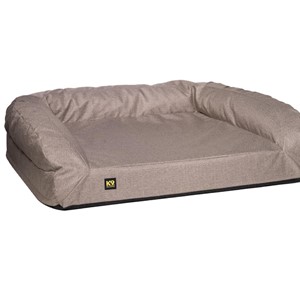
K9 Ballistics Orthopedic Bolster Sofa Style Bed
A comfortable dog bed can make it easier for your pet to relax and get uninterrupted rest. The right choice depends on your dog’s size, sleeping position, age, and personal preferences.
Some dogs love to curl up in a bed with raised edges, while others prefer a flat, spacious surface where they can stretch out. Older dogs may benefit from supportive cushioning (bolsters) that makes resting more comfortable.
Whatever style you choose, make sure the bed is appropriately sized, easy to clean, and made from materials that suit your dog’s needs. Keeping bedding clean can also help maintain a fresh and inviting sleep environment.
Reduce Nighttime Disturbances
Even the best dog bed won’t help much if your dog is constantly being woken up.
Try to minimize unnecessary nighttime disruptions. Keep loud noises to a minimum, avoid repeatedly moving your dog’s bed, and give them space when they’re sleeping. If your household has children or other pets, teach them that a sleeping dog should be left alone.
Allowing your dog to sleep undisturbed is particularly important during deeper stages of sleep. Regular interruptions can make it harder for your dog to settle into a comfortable sleep pattern.
Create a Predictable Bedtime Routine
Dogs are creatures of habit, and a consistent bedtime routine can help them understand when it’s time to wind down.
You might take your dog for a gentle evening walk, give them an opportunity to go outside, spend a few quiet minutes together, and then guide them to their sleeping area. Keeping this routine relatively consistent can create a familiar signal that the day is coming to an end.
Avoid overly exciting games or stimulating activities immediately before bedtime if they make it difficult for your dog to settle.
Over time, a predictable routine can make bedtime feel familiar and reassuring.
Small Changes Can Lead to Better Sleep
You don’t need to completely redesign your home to improve your dog’s sleep environment. Sometimes, simply moving a bed to a quieter location, improving ventilation, replacing an uncomfortable bed, or establishing a consistent bedtime routine can help.
A comfortable sleep environment gives your dog the best opportunity to get the quality rest their body and mind need. Combined with appropriate exercise, nutrition, and a consistent daily routine, healthy sleep can play an important role in keeping your dog happy, active, and well-rested.
How to Create a Healthy Sleep Routine for Your Dog
A good night’s sleep doesn’t happen by accident. Just like people, dogs can benefit from a consistent sleep routine that helps them know when it’s time to be active and when it’s time to relax.
You don’t need a complicated schedule to help your dog sleep better. A few simple habits combined with plenty of rest, appropriate exercise, and a comfortable sleeping space can encourage healthy sleep and support your dog’s overall well-being.
Keep Consistent Sleeping and Waking Times
Dogs are creatures of habit, and a predictable daily schedule can help them feel more secure. Try to keep your dog’s sleeping and waking times relatively consistent, including on weekends and holidays when possible.
Regular mealtimes, walks, play sessions, and bedtime can help establish a natural rhythm. Over time, your dog may begin to recognize the familiar signs that it’s time to settle down for the night.
The routine doesn’t have to be exact to the minute. What matters most is creating a pattern your dog can comfortably follow.
Provide Enough Daytime Exercise

Dog Playing Fetch
Regular daytime exercise can support better sleep for dogs by helping them use their physical and mental energy. Depending on your dog’s age, breed, health, and fitness level, this might include walks, games of fetch, training sessions, or other activities they enjoy.
Mental stimulation matters, too. Puzzle toys, scent games, and basic training can give your dog’s brain a workout without requiring intense physical activity.
However, more exercise isn’t always better. Your dog needs a balance between activity and rest. Pay attention to signs of fatigue and give them opportunities to relax throughout the day.
Avoid Excessive Stimulation before Bedtime
A high-energy game right before bedtime may leave some dogs too excited to settle down. Instead, try creating a calm transition from daytime activity to nighttime rest.
A gentle walk, quiet interaction, or a few relaxing minutes in their sleeping area can help signal that it’s time to wind down.
Every dog is different, so pay attention to what helps your companion become relaxed. If a particular activity makes your dog more energetic rather than sleepy, move it earlier in the evening.
Give Your Dog a Comfortable Place to Rest
A dedicated, comfortable sleeping area can make bedtime easier. Your dog’s bed should provide enough space for them to stretch, curl up, and change positions comfortably.
Place it somewhere that’s relatively quiet and free from unnecessary distractions. Consider your dog’s individual preferences, too. Some dogs prefer a cozy corner, while others like to sleep where they can keep an eye on the household.
Keeping the sleeping area clean and comfortable can also make it more inviting and encourage your dog to use it regularly.
Your dog’s bed should also be comfortable as well. An orthopedic bed can be useful especially if your dog has some health issues. Even if they don’t, an orthopedic bed can provide their muscles and joints comfort as they rest through the sleeping cycles.
Allow Your Dog to Sleep Without Unnecessary Interruptions
One of the simplest ways to improve dog sleep quality is to let your dog sleep when they need to.
Avoid waking your dog unnecessarily, especially when they appear to be sleeping deeply. Children and other pets should also learn to give a resting dog some space.
Dogs need uninterrupted periods of rest to move through their normal sleep cycles. While an occasional interruption is unavoidable, creating a household habit of respecting your dog’s sleep can help them get the rest they need.
Make Healthy Sleep Part of the Daily Routine
Creating a healthy sleep routine for your dog is really about consistency rather than perfection. Regular activity, calm evenings, a comfortable sleeping space, and uninterrupted rest can all work together to encourage better sleep.
Most importantly, get to know your dog’s individual rhythm. When you understand when your dog naturally likes to play, rest, and sleep, you can build a routine that fits their needs and help them wake up ready for another happy, healthy day.
Signs to Watch For
If your dog seems to spend half the day sleeping, you may wonder, “Is my dog sleeping too much?” In many cases, the answer is no. Dogs naturally need plenty of rest, and puppies, senior dogs, and dogs with active lifestyles may sleep more than others.
What matters most isn’t simply how many hours your dog sleeps, but whether their sleeping habits are normal for them. A dog that has always enjoyed long naps and wakes up alert, playful, and ready to eat is usually very different from a dog that suddenly starts sleeping far more than usual.
Knowing your dog’s normal routine can make it easier to spot changes that may need attention.
Sudden Changes in Sleeping Habits
One of the most important things to watch for is a sudden change in your dog’s sleep pattern.
If your dog unexpectedly begins sleeping much longer than usual, takes significantly more naps, or seems reluctant to get up and participate in their normal activities, pay attention to the change.
Likewise, a dog that suddenly has difficulty sleeping, wakes frequently during the night, or appears restless may also be experiencing a change worth noting.
A temporary increase in sleep after an especially busy or exciting day may be perfectly normal. It’s persistent or unexplained changes that are more important to monitor.
Difficulty Waking Your Dog
Most dogs are happy to keep snoozing when they’re comfortable, but they should generally respond to familiar sounds or gentle attempts to wake them.
If your dog is unusually difficult to wake, seems confused when they do wake up, or remains extremely sluggish afterward, don’t simply assume they’re tired from a long day.
Pay attention to the difference between a dog that is enjoying a deep nap and one that seems unusually unresponsive or difficult to rouse. If the latter is a significant or sudden change, contacting your veterinarian is appropriate.
Low Energy When Awake
Sleep is supposed to help your dog recharge. So, what happens when your dog sleeps for hours but still seems exhausted when they’re awake?
Low energy or unusual lethargy can be a sign that something isn’t quite right, particularly when it represents a noticeable change from your dog’s usual behavior.
For example, your dog may stop showing interest in walks, playtime, toys, or activities they normally enjoy. They may move more slowly than usual or spend most of their waking hours lying down.
Keep in mind that energy levels naturally vary with age. A senior dog may not have the same enthusiasm as a young adult dog. The key is to look for changes from your dog’s normal behavior.
Changes in Appetite or Behavior
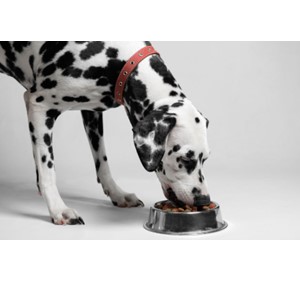
Dog Eating His Food
Changes in sleep are more significant when they occur alongside other changes.
Keep an eye out for differences in your dog’s appetite, drinking habits, mood, or everyday behavior. A dog that suddenly sleeps much more while also eating less, behaving unusually, withdrawing from family members, or showing other concerning changes may need veterinary attention.
You know your dog’s personality better than anyone. If something feels noticeably different from their normal routine, it’s worth taking seriously.
When Should You Contact a Veterinarian?
There’s no need to panic every time your dog takes an extra-long nap. However, persistent or sudden changes in sleeping habits, especially when combined with other symptoms, should not be ignored.
Consider contacting your veterinarian if your dog:
- Suddenly sleeps much more or less than usual
- Is unusually difficult to wake
- Has very low energy when awake
- Loses interest in normal activities
- Experiences noticeable changes in appetite or behavior
- Shows other unusual signs that concern you
Your veterinarian can assess your dog’s overall health and help determine whether the change in sleep is simply part of their normal routine or something that needs further investigation.
Ultimately, there’s no universal number of hours that means a dog is sleeping too much. Puppies may need frequent naps, senior dogs often require additional rest, and active dogs may sleep longer after exercise. The most useful guideline is to understand your dog’s normal sleep habits and watch for meaningful changes.
When in doubt, it’s always better to discuss a persistent or concerning change with a veterinary professional rather than trying to diagnose the cause yourself.
Tips for Better Sleep at Every Stage of Life
Your dog’s sleep needs change as they grow. A playful puppy has very different needs from an energetic adult dog, while a senior dog may need extra comfort and more opportunities to rest.
The good news is that a few simple adjustments can help support better sleep for dogs at every stage of life. By adapting your dog’s routine and sleeping environment to their age and individual needs, you can help them get the quality rest they need to stay healthy and happy.
Puppies: Frequent Naps and a Consistent Routine
- Puppies seem to have two settings: full speed and completely asleep! All that playing, exploring, learning, and growing requires plenty of rest.
- Frequent naps are a normal and important part of puppy sleep. Rather than expecting a young puppy to stay awake for long periods, give them regular opportunities to settle down and recharge.
- A consistent routine can also make a big difference. Try to establish predictable times for meals, play, training, bathroom breaks, and naps. This helps your puppy learn when it’s time to be active and when it’s time to relax.
- Create a comfortable, quiet sleeping area where your puppy can rest without constant interruptions. Teaching children and other pets to respect your puppy’s sleep space can also help them develop healthy sleep habits.
Adult Dogs: Balance Exercise, Stimulation, and Rest
- Adult dogs generally have more established sleep patterns, but they still need plenty of downtime. The key is finding the right balance between exercise, mental stimulation, and rest.
- Daily walks, playtime, training, and interactive activities can help your dog use their physical and mental energy. Afterward, give them enough time to relax and recover.
- The right amount of activity will depend on your dog’s breed, age, fitness level, and personality. A high-energy dog may need more exercise and mental stimulation than a naturally laid-back companion.
- Avoid assuming that keeping your dog busy all day will automatically lead to better sleep. Dogs need periods of quiet rest, too. A balanced routine allows your adult dog to stay active without becoming overtired or overstimulated.
Senior Dogs: Comfortable Bedding and Easy Access
- As dogs grow older, their sleep needs and comfort preferences can change. Senior dogs often sleep more and may benefit from longer periods of rest throughout the day.
- Comfort becomes particularly important at this stage. A supportive, well-cushioned bed can provide a cozy place for your older dog to relax. Choose bedding that allows them to get comfortable without putting unnecessary strain on their body.
- It’s also helpful to make the sleeping area easy to reach. If your senior dog has difficulty climbing stairs or walking long distances, place their bed somewhere they can access without unnecessary effort.
- Keep food, water, and other frequently used areas reasonably accessible as well. Small changes around the home can make everyday life more comfortable for an aging dog.
Give Your Dog the Rest They Need
Every dog is different, and there isn’t one perfect sleep routine for every age or breed. Puppies need frequent naps, adult dogs need a healthy balance of activity and rest, and senior dogs often benefit from extra comfort and easy access to their favorite resting spots.
By paying attention to your dog’s changing needs and providing a comfortable sleep environment, you can help support healthy sleep throughout every stage of their life.
The Connection between Sleep, Exercise, and Nutrition
When it comes to keeping your dog healthy, sleep is only one piece of the puzzle. Just as people need a combination of good nutrition, regular activity, and adequate rest, dogs benefit from the same balanced approach?
Sleep, exercise, and nutrition work together to support your dog’s physical health, energy levels, mood, and overall well-being. By paying attention to all three, you can create a healthier daily routine for your canine companion.
Why Sleep Is Only One Part of Canine Wellness
Getting enough sleep is essential, but healthy rest can’t replace other important aspects of your dog’s care.
Dogs need regular movement to support their muscles, joints, cardiovascular health, and healthy body weight. They also need nutritious food to provide the energy and nutrients their bodies require. Quality sleep then gives the body time to rest and recover from the demands of daily life.
Think of these three areas as a team. Too little exercise may leave your dog with excess energy, while too much activity without enough recovery time can leave them overtired. Similarly, a poor diet can affect your dog’s overall health even if they are getting plenty of sleep.
A balanced approach is the foundation of good canine wellness.
How Physical Activity and Mental Stimulation Influence Rest
- A dog that has had an appropriate amount of physical and mental activity during the day may be more ready to relax when bedtime arrives.
- Daily walks, play sessions, training, and age-appropriate activities give your dog opportunities to use their body and brain. Mental stimulation can be just as valuable as physical exercise. Scent games, puzzle toys, and training exercises can challenge your dog’s mind and help prevent boredom.
- However, the goal isn’t to exhaust your dog. Too much activity can have the opposite effect, particularly in puppies and dogs that become overstimulated easily. An overtired dog may become restless or irritable instead of settling down.
- The sweet spot is a healthy balance of activity and downtime. Give your dog opportunities to exercise, explore, and learn, followed by plenty of time to relax and sleep.
The Importance of a Balanced Diet and Regular Routine
Nutrition plays an important role in your dog’s overall health. A balanced diet appropriate for your dog’s age, size, activity level, and individual needs can provide the nutrients they need to support normal body function and maintain healthy energy levels.
A regular daily routine can complement good nutrition and exercise. Consistent mealtimes, walks, play sessions, rest periods, and bedtime can give your dog a sense of predictability.
A routine doesn’t have to be rigid. Life happens, and schedules change. The goal is simply to create a pattern your dog can generally rely on.
When nutritious food, appropriate exercise, mental stimulation, and quality sleep come together, they create a strong foundation for your dog’s health.
A Healthy Dog Needs More Than Sleep
Better sleep is an important part of keeping your dog healthy, but it works best alongside good nutrition, regular exercise, mental stimulation, and a predictable routine.
Pay attention to your dog’s individual needs and adjust their daily activities as they grow and change. A puppy may need frequent naps after short bursts of activity, an adult dog may thrive on a consistent exercise routine, and a senior dog may need gentler activities and more recovery time.
By creating a balanced lifestyle that includes sleep, exercise, and proper nutrition, you’re giving your dog the best opportunity to stay active, comfortable, and happy throughout their life.
Frequently Asked Questions about Dog Sleep
Dog sleep can be surprisingly fascinating and sometimes confusing. If you’ve ever wondered whether your dog is sleeping too much, why they twitch in their sleep, or how to help them settle down at night, you’re not alone.
Here are answers to some of the most common dog sleep questions pet parents ask.
Why Does My Dog Sleep So Much?
Dogs naturally sleep more than humans, so spending a large part of the day sleeping or napping is usually normal. Puppies, senior dogs, and highly active dogs may need even more rest.
The important thing is to pay attention to your dog’s normal sleep pattern. If your dog sleeps a lot but wakes easily, eats normally, enjoys their usual activities, and has a normal energy level when awake, there’s generally no reason to be concerned.
How Many Hours Should a Dog Sleep Each Day?
Most adult dogs sleep around 12 to 14 hours a day, although individual needs can vary. Puppies and senior dogs often sleep considerably more.
Factors such as age, breed, size, activity level, lifestyle, and overall health can all influence how much sleep a dog needs. Rather than focusing only on a specific number, look at whether your dog is getting enough rest to feel alert and comfortable when awake.
Do Dogs Dream When They Sleep?
Yes, dogs appear to dream during REM (rapid eye movement) sleep, just as humans do. During this stage, you may notice your dog’s eyes moving beneath their eyelids or see small movements in their paws, face, or body.
Some dogs may even whimper, bark quietly, or make other sounds while dreaming. Although we can’t know exactly what dogs dream about, their dreams may be connected to experiences from their everyday lives.
Why Does My Dog Sleep More During the Day?
Dogs are naturally flexible sleepers and don’t always follow the same day-night schedule as humans. They may take several naps throughout the day, particularly when the household is quiet.
Your dog’s daytime sleep may also increase after exercise, play, training, or other stimulating activities. Puppies and senior dogs commonly spend more time napping as well.
If daytime sleeping is normal for your dog and they remain alert and active when awake, it’s usually not a concern. A sudden change in daytime sleeping habits, however, is worth monitoring.
Do Puppies Need More Sleep Than Adult Dogs?
Yes. Puppies need significantly more sleep than most adult dogs because their bodies and brains are developing rapidly.
All the playing, exploring, learning, and training puppies do can be tiring. Frequent naps throughout the day allow them to recharge and support their development.
Rather than trying to keep a puppy awake, provide a safe, comfortable place where they can sleep undisturbed when they need to rest.
Why Is My Dog Suddenly Sleeping More?
A sudden increase in sleep can have many possible explanations. Your dog may simply be recovering from an unusually active day, experiencing a change in routine, or naturally needing more rest as they age.
However, a noticeable or persistent change in your dog’s sleeping habits can sometimes accompany an underlying health problem. If increased sleep is combined with low energy, changes in appetite or behavior, difficulty waking, or other unusual signs, contact your veterinarian for advice.
How Can I Help My Dog Sleep Better at Night?
Creating a comfortable and predictable routine can encourage better sleep for your dog.
Try providing:
- A comfortable, appropriately sized dog bed
- A quiet sleeping area away from unnecessary noise
- A comfortable room temperature and good ventilation
- Regular daytime exercise and mental stimulation
- A consistent bedtime routine
- Plenty of opportunities to rest during the day
- An environment where your dog can sleep without unnecessary interruptions
Avoid overly stimulating activities immediately before bedtime if they make your dog more energetic.
Why Does My Dog Twitch or Move Their Paws While Sleeping?
Small movements during sleep are usually normal. Dogs may twitch their paws, move their whiskers, flick their ears, or make quiet noises while they’re in REM sleep.
These movements are often associated with dreaming. Unless the movements appear unusual, severe, or are accompanied by other concerning signs, occasional twitching during sleep is generally nothing to worry about.
Should I Wake My Dog Up When They’re Sleeping?
Usually, it’s best to let a sleeping dog sleep. Dogs need uninterrupted rest to move through their normal sleep cycles and recharge.
Defensive Reaction: Startling a sleeping or dreaming dog can trigger their natural “fight or flight” reflex, causing them to accidentally snap, growl, or bite before they realize where they are.
If you need to wake your dog do one of the following:
- Speak their name softly from a few feet away instead of touching them or
- Make a gentle noise by tapping lightly on a nearby surface to let them wake up naturally.
Children should also be taught not to disturb a dog while they’re sleeping.
Why Does My Dog Sleep So Much After Exercise?
Extra sleep after exercise is often perfectly normal. Physical activity uses energy, and sleep gives your dog’s body time to rest and recover.
A long walk, hike, energetic play session, or training activity can leave your dog ready for a substantial nap. As long as they return to their normal energy level after resting, the extra sleep is generally part of a healthy recovery routine.
Do Older Dogs Sleep More?
Yes, senior dogs often sleep more than younger adult dogs. Aging can naturally lead to lower energy levels and a greater need for rest.
Older dogs may also benefit from a supportive, comfortable bed and a sleeping area that’s easy to access. If you’re senior dog’s sleeping habits change suddenly or are accompanied by other unusual symptoms, talk with your veterinarian.
Can a Poor Sleep Environment Affect My Dog’s Sleep?
Yes. Noise, uncomfortable bedding, excessive heat or cold, frequent interruptions, and a busy sleeping location can make it harder for a dog to settle and get quality rest.
Creating a quiet, comfortable dog sleep environment can encourage more restful sleep. Choose a suitable bed, keep the area at a comfortable temperature, and give your dog a place where they can relax without being repeatedly disturbed.
What Are the Signs That My Dog Isn’t Sleeping Well?
Signs of disrupted or poor-quality sleep can include frequent nighttime waking, restlessness, difficulty settling, unusual daytime tiredness, or noticeable changes in normal behavior.
If your dog’s sleep problems are persistent or occur alongside changes in appetite, energy, or behavior, speak with your veterinarian to determine whether there’s an underlying cause.
When Should I Be Concerned About My Dog’s Sleeping Habits?
A change in sleep doesn’t automatically mean something is wrong. However, sudden, persistent, or significant changes in your dog’s sleep pattern deserve attention.
Contact your veterinarian if your dog is unusually difficult to wake, has very low energy when awake, suddenly loses interest in normal activities, experiences changes in appetite or behavior, or displays other signs that concern you.
The best way to understand your dog’s sleep is to learn what’s normal for them. By paying attention to their individual routine, you can recognize changes early and help ensure they get the rest they need.
When Should You Be Concerned About Your Dog’s Sleep?
Every dog is different, so there isn’t one perfect number of hours that applies to every dog.
What matters most is understanding your dog’s normal sleep pattern. If your dog suddenly starts sleeping significantly more or less, seems uncomfortable at night, or develops other changes in behavior or health, it’s worth talking with your veterinarian.
Conclusion
If you’ve ever wondered, “Why does my dog sleep so much?” The answer is often simple: sleep is an essential part of a dog’s life. From playful puppies to active adults and slower-moving seniors, dogs need plenty of rest to recharge their bodies and minds.
Quality sleep supports your dog’s overall health in many ways. It gives the body time to recover after exercise, supports normal immune function, helps manage everyday stress, and contributes to emotional and mental well-being. That’s why healthy sleep should be considered just as important as good nutrition and regular exercise.
You can help your dog get better rest by creating a comfortable sleeping environment, maintaining a predictable daily routine, providing appropriate physical and mental activity, and allowing plenty of uninterrupted downtime.
Most importantly, get to know your dog’s normal sleep habits. Every dog is different, and what’s normal for one may not be normal for another. If you notice a sudden or persistent change in how much your dog sleeps especially alongside changes in energy, appetite, or behavior talk with your veterinarian.
At the end of the day, a well-rested dog is better prepared to play, explore, learn, and enjoy life by your side. Giving your canine companion the time and space they need to sleep isn’t just about helping them feel rested it’s an important part of supporting a healthier, happier life.
Shop Dog Beds
As an Amazon Associate, I earn from qualifying purchases. Your purchase price is the same as if you shop directly on Amazon.
The price at time of publish is included below to give you an idea of what the price is; however, it is subject to change.
Barker Beds
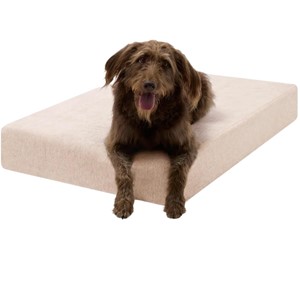
Barker Beds Orthopedic Rectangle Large Bed

Barker Beds Orthopedic XL Sofa Bed
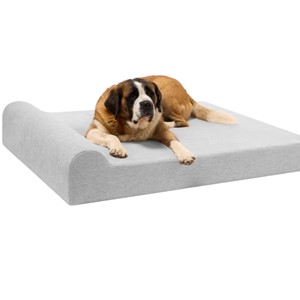
Barker Beds Orthopedic Bed Giant with Headrest
Bedsure
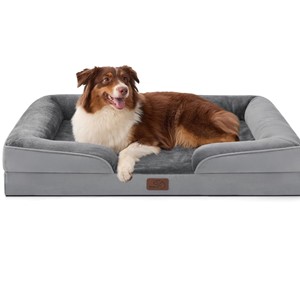
Bedsure Orthopedic Large Sofa Bed
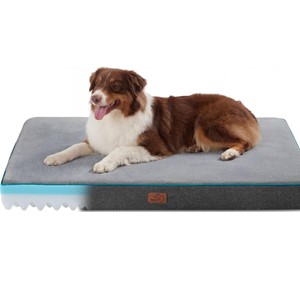
Bedsure Orthopedic Large Rectangle Bed
VEEHOO
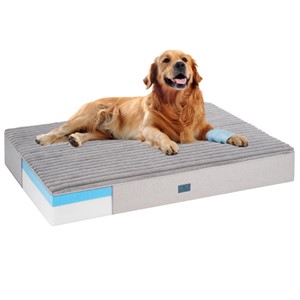
VEEHOO Orthopedic Extra Large Rectangle Bed
Best Friends by Sheri
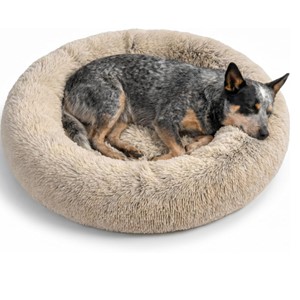
Best Friends by Sheri Medium Calming Dog Bed
K9 Ballistics
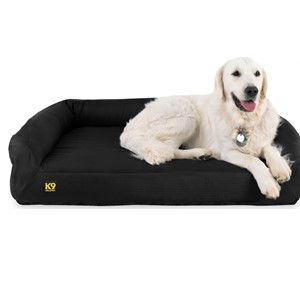
K9 Ballistics Tough Orthopedic Large Bolster Bed
Miorun Store
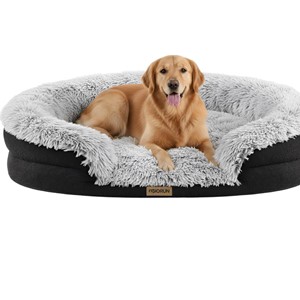
Miorun Orthopedic Large Bolster Sofa Bed