Large Dog Breeds Need Better Beds—Here’s Why
Introduction
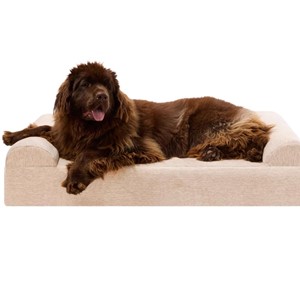
Barker Beds Orthopedic XL Sofa Bed
Large dog breeds need better beds—here’s why. Because not all dog beds are created equal, and that’s especially true for large and giant breeds. While many beds are marketed as “large,” they’re often simply bigger versions of products originally designed for smaller dogs.
These beds may offer more surface area, but they frequently lack the thickness, density, and structural support needed to comfortably support heavier dogs. As a result, large breeds can sink through the cushioning, placing unnecessary pressure on their joints and reducing overall comfort.
A supportive bed does more than provide a soft place to sleep it plays an important role in a dog’s health and well-being. Since dogs spend 12 to 18 hours a day resting, the quality of their sleep can influence muscle recovery, joint comfort, mobility, and overall quality of life. For large breeds, which are more susceptible to orthopedic conditions such as arthritis and hip dysplasia, proper support during sleep is especially important.
The best beds for large dogs are designed to handle both their size and weight. Features such as thick orthopedic foam, high-density support layers, durable construction, and a generously sized sleeping surface help distribute body weight evenly and maintain support over time. Choosing a bed built specifically for large breeds can improve comfort today while helping protect their joints for years to come.
In this article, you will learn the importance of why large dog breeds need a better bed.
Joint Strain and Pressure Relief
Large dogs carry substantially more body weight than smaller breeds, which means their joints experience greater pressure every time they stand, walk, run, or rest. When they lie down, much of their weight is concentrated on prominent joints such as the elbows, hips, shoulders, and knees. If a bed is too thin or lacks supportive cushioning, these pressure points can press directly against the floor beneath the bed, making it less comfortable for extended periods of rest.
Thin or worn-out cushions may also increase the likelihood of pressure sores, particularly in large and giant breeds that spend long hours lying down. Dogs that frequently rest on hard surfaces or beds with minimal padding may develop calluses on their elbows, and prolonged pressure can contribute to skin irritation in susceptible dogs. A bed with adequate cushioning helps reduce concentrated pressure by supporting the dog’s body more evenly.
Proper pressure distribution is one of the most important features of a quality bed for large breeds. Instead of allowing the dog’s weight to settle onto a few high-pressure areas, supportive materials help spread body weight across a larger surface. This reduces stress on individual joints, provides more consistent support, and creates a more comfortable resting position. Even weight distribution can also make it easier for some dogs to reposition themselves when getting up or changing sleeping positions.
Many large and giant breeds benefit from beds designed with enhanced support. Breeds commonly associated with higher body weights and increased joint stress include Great Danes, Mastiffs, Saint Bernards, German Shepherds, Newfoundlands, Bernese Mountain Dogs, Rottweilers, Labrador Retrievers, Golden Retrievers, and Irish Wolfhounds. While every dog is unique, these breeds generally place greater demands on their sleeping surfaces because of their size and weight.
Joint health is an important consideration throughout a large dog’s life. Conditions such as arthritis, hip dysplasia, and elbow dysplasia are well-recognized orthopedic disorders that can affect dogs, particularly medium, large, and giant breeds. Although an orthopedic or supportive dog bed cannot prevent or treat these conditions, providing a well-cushioned, supportive sleeping surface may help create a more comfortable resting environment by reducing excessive pressure on the joints during sleep and relaxation.
Choosing a bed that maintains its shape and evenly supports the dog’s body is an important part of creating a comfortable space for large breeds to rest.
Bed Thickness Matters More Than You Think
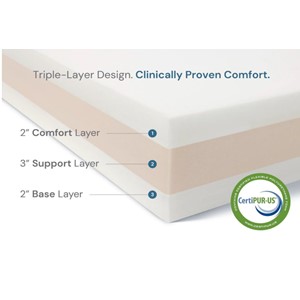
Big Barker Memory Foam Layers
When shopping for the best bed for a large dog, thickness is one of the most important factors to consider. A large dog bed needs more than just extra surface area it also needs enough depth to support a heavier body without losing its shape. While many inexpensive pet beds look soft and comfortable at first, they often use low-density foam or polyester filling that compresses quickly under the weight of large and giant breed dogs.
The heavier the dog, the more force is placed on the bed each time they lie down. Over time, cheap foam can flatten permanently, reducing the support it provides. Once this happens, the bed becomes less effective at cushioning pressure points and may no longer offer the comfort expected from an orthopedic dog bed.
As a general recommendation, most memory foam dog beds for large dogs should have 4 to 7 inches of supportive foam, depending on the dog’s weight. Dogs weighing around 60 pounds may receive adequate support from approximately 4 inches of high-density foam, while giant breeds weighing 120 to 140 pounds or more often benefit from 6 to 7 inches of premium orthopedic foam. Thickness alone isn’t enough, however high-density foam is essential for maintaining long-term support.
The material inside the bed also makes a significant difference. A memory foam dog bed contours to the dog’s body, helping distribute weight evenly across the sleeping surface while reducing concentrated pressure on the hips, shoulders, elbows, and knees. High-quality orthopedic foam is designed to recover its shape after repeated use, making it a durable choice for larger breeds. By comparison, beds filled with polyester fiberfill may feel plush initially, but the filling can shift, flatten, and lose loft over time, especially when supporting heavier dogs.
One of the biggest reasons to choose a thick, supportive orthopedic dog bed for large breeds is to prevent bottoming out. Bottoming out occurs when a dog’s weight compresses the bed so much that there is little or no cushioning left between the dog’s body and the floor. Instead of the foam absorbing pressure, the dog’s elbows, hips, shoulders, and other weight-bearing joints end up resting against a much firmer surface.
The importance of bed thickness becomes clear when comparing dogs of different sizes. A 60-pound Labrador Retriever may lie comfortably on a medium-thickness foam bed without fully compressing the material, allowing the foam to provide consistent support throughout the night.
However, that same bed used by a 140-pound Great Dane or Mastiff can compress much more under the additional weight, significantly reducing the amount of cushioning. Although the bed itself hasn’t changed, its performance is very different because of the dog’s size and weight.
For this reason, the best orthopedic dog beds for large dogs are specifically designed with thicker, high-density foam that resists compression and maintains its supportive structure over time. Investing in a high-quality large dog bed helps provide better pressure distribution, improved comfort, and longer-lasting durability, making it a worthwhile choice for owners of large and giant breed dogs.
Support Keeps the Spine Aligned
A high-quality orthopedic dog bed does more than provide a soft place to sleep it helps support your dog’s body in a way that promotes proper spinal alignment. For large and giant breeds, maintaining a neutral sleeping position is especially important because their greater body weight places increased stress on the spine, hips, shoulders, and other weight-bearing joints. The best dog bed for large dogs evenly supports the entire body instead of allowing heavier areas to sink too deeply into the mattress.
Even weight distribution is one of the key benefits of a well-designed large dog bed. Rather than concentrating pressure on a few contact points, supportive foam spreads the dog’s weight across the sleeping surface. This helps reduce pressure on the hips, shoulders, elbows, and knees while allowing the spine to rest in a more natural position. When a bed provides balanced support from head to tail, dogs can rest more comfortably without certain parts of the body bearing excessive pressure.
Proper spinal alignment during sleep is also important for overall comfort. If a bed sags in the middle or compresses unevenly, a large dog’s spine may curve unnaturally while resting. Over time, low-quality bedding can lose its shape, causing heavier areas such as the shoulders and hips to sink further than the rest of the body. A supportive memory foam dog bed helps contour to the dog’s shape while maintaining consistent support beneath the entire body.
The hips and shoulders typically carry much of a large dog’s body weight when lying down. Without adequate support, these areas experience greater pressure against the bed’s surface. An orthopedic dog bed for large dogs helps cushion these high-pressure areas while supporting the surrounding muscles and joints. By distributing weight more evenly, the bed creates a more balanced sleeping surface that improves overall comfort during extended periods of rest.
One of the biggest differences between premium orthopedic beds and inexpensive pet beds is the materials used inside. Beds filled primarily with fluffy polyester stuffing may feel soft at first, but the filling often shifts, compresses, and flattens over time. As the stuffing loses loft, it provides less consistent support and can create uneven sleeping surfaces, especially for heavier dogs.
By comparison, high-density support foam is engineered to resist compression and maintain its structure under greater body weight. It provides a stable foundation that helps keep the spine properly supported while reducing excessive sinking. Many of the best orthopedic dog beds also feature multi-layer foam construction, combining different types of foam to deliver both comfort and durability.
A common premium design pairs memory foam with high-density support foam. The memory foam top layer gently conforms to the dog’s body, helping relieve pressure around the hips, shoulders, elbows, and other prominent joints. Beneath it, the support foam provides the strength needed to prevent the dog from sinking too deeply into the bed. This combination offers the contouring comfort of memory foam together with the long-term stability of orthopedic support foam, making it an excellent choice for large and giant breed dogs.
When selecting the best orthopedic dog bed for large dogs, look for models that combine high-density support foam, memory foam, and durable multi-layer construction. These features help the bed maintain its shape, promote even weight distribution, support healthy spinal alignment, and provide lasting comfort for larger dogs throughout years of daily use.
Cheap Beds Cost More
When shopping for the best orthopedic dog bed for large dogs, the purchase price is only part of the equation. While inexpensive pet beds may seem like a bargain upfront, they often wear out much faster than premium models. Over time, foam breakdown, flattening, and sagging can reduce the bed’s ability to support your dog’s body, making frequent replacements necessary. In many cases, investing in a high-quality orthopedic dog bed actually costs less over the life of the product.
Foam Breakdown Happens Faster Than Most Owners Expect
Every time a dog lies down, gets up, or changes positions, the foam inside the bed compresses. For large and giant breeds, that repeated compression places significant stress on the bed’s materials. Low-density foam and inexpensive polyester filling tend to lose their resilience more quickly, especially under heavier dogs weighing 70 pounds or more.
As the cushioning wears down, several problems commonly develop:
- Foam flattening: The bed gradually loses its original thickness, leaving less cushioning between your dog and the floor.
- Sagging: Heavier areas of the bed, particularly where the hips and shoulders rest, begin to sink lower than the surrounding surface.
- Loss of support: As the foam deteriorates, it can no longer distribute body weight evenly, reducing comfort and pressure relief.
These changes may happen gradually, but they significantly affect how well a large dog bed performs over time.
Why Premium Orthopedic Beds Last Longer
A quality memory foam dog bed is designed to withstand years of repeated use without losing its supportive structure. Many premium models combine high-density support foam with memory foam in a multi-layer construction. The memory foam contours to your dog’s body for pressure relief, while the dense support foam underneath resists compression and helps maintain proper spinal alignment.
Because high-density orthopedic foam is engineered for durability, it is less likely to develop permanent body impressions or excessive sagging. This means the bed continues providing consistent support long after many lower-cost beds have flattened.
Cost Per Year: Looking Beyond the Purchase Price
Many pet owners focus on the initial price tag, but the true value of a large orthopedic dog bed becomes clear when considering how long it lasts.
For example:
- An inexpensive large dog bed that costs $60 but needs replacing every year costs approximately $60 per year.
- A premium orthopedic dog bed priced at $180 that lasts five years costs approximately $36 per year.
Although the premium bed requires a larger upfront investment, its durability and longer lifespan often make it the more economical choice. Fewer replacements also mean less waste and more consistent comfort for your dog.
Low-Quality Bed vs. High-Quality Orthopedic Bed Comparison Chart
| Feature | Low-Quality Bed | High-Quality Orthopedic Bed |
| Foam Material | Low-density foam or polyester fill | High-density support foam with memory foam |
| Support | Decreases quickly with use | Maintains consistent support for years |
| Pressure Relief | Limited once foam compresses | Even weight distribution and better pressure relief |
| Flattening | Often occurs within months of heavy use | Resists permanent compression |
| Sagging | Common under larger dogs | Designed to maintain shape under greater weight |
| Spinal Support | Uneven as the bed wears | Helps maintain proper spinal alignment |
| Durability | Shorter lifespan with frequent replacement | Long-lasting construction for daily use |
| Best For | Occasional or temporary use | Large and giant breed dogs needing long-term support |
| Estimated Cost Per Year* | About $60/year (example) | About $36/year (example) |
*Example cost comparison based on a $60 bed replaced annually versus a $180 orthopedic bed lasting approximately five years. Actual prices and product lifespans vary by manufacturer, foam quality, and usage.
Choosing a high-quality orthopedic dog bed for large dogs is about more than comfort it’s a long-term investment in durability, consistent support, and value. By selecting a bed made with premium materials such as memory foam and high-density support foam, pet owners can provide lasting comfort while potentially reducing the cost and inconvenience of frequent bed replacements.
Better Sleep Means Better Health
A comfortable, supportive place to sleep plays an important role in helping dogs get the rest they need. Most dogs sleep between 12 and 18 hours per day, depending on their age, breed, activity level, and overall lifestyle. Because dogs spend such a significant portion of their lives resting, choosing the best dog bed for large dogs is about more than providing a soft place to lie down—it is about creating a sleep environment that supports comfort, relaxation, and daily well-being.
Sleep Quality Matters for Recovery
Quality sleep allows dogs to rest after daily activities such as walking, playing, training, and exploring. During periods of rest, the body naturally goes through important recovery processes that help maintain normal function and energy levels. A supportive orthopedic dog bed provides a comfortable surface where dogs can relax without unnecessary pressure on their joints and muscles.
For large and giant breed dogs, a properly designed memory foam dog bed can provide additional comfort by distributing body weight more evenly. Unlike thin cushions that quickly lose their shape, supportive foam helps create a stable sleeping surface that reduces pressure points and allows dogs to settle into a more natural resting position.
Comfort Can Support Mobility in Senior Dogs
As dogs age, many owners notice changes in how easily their pets move, climb stairs, or get up after resting. Senior dogs often benefit from a senior dog bed with orthopedic support because a cushioned, supportive surface can make resting areas more comfortable and easier to use.
A quality orthopedic dog bed for large dogs helps provide support around areas that commonly experience pressure during rest, including the hips, shoulders, elbows, and knees.
While a dog bed cannot prevent or treat age-related conditions, providing a supportive sleeping surface can help create a more comfortable environment for older dogs, especially those that need extra cushioning during periods of rest.
Better Rest May Encourage More Activity During Waking Hours
Dogs that have a comfortable place to sleep may be more willing to get up, move around, and participate in daily activities. When a dog can fully relax and recover between walks, play sessions, and other activities, they may have more energy available during their waking hours.
For large breeds, maintaining comfort throughout the day and night is especially important because their size places greater demands on their bodies. A durable large dog bed with quality materials, such as high-density support foam and memory foam, provides the consistent support needed for long-term comfort.
Choosing a Bed That Supports Your Dog’s Lifestyle
The right orthopedic dog bed should match your dog’s size, weight, sleeping habits, and life stage. Large breeds, senior dogs, and dogs that spend many hours resting often benefit from beds designed with thicker cushioning, durable foam layers, and supportive construction.
Investing in a high-quality large orthopedic dog bed helps provide a comfortable resting space where dogs can sleep, relax, and recharge. Since sleep makes up such a large part of a dog’s daily routine, choosing a supportive bed is an important part of creating a healthier, more comfortable environment for your companion.
Dog Bed Brand Comparison Chart
| Rank | Brand | Best For | Why It Supports Your Article Theme |
| 1 | Big Barker | Giant breeds & senior dogs | Maximum focus on thickness, support, and longevity |
| 2 | PetFusion | Best overall value | Memory foam support at a moderate price |
| 3 | Furhaven | Budget orthopedic upgrade | Affordable alternative to thin beds |
| 4 | Tempur-Pedic Pet Beds | Premium foam discussion | Strong memory foam reputation |
| 5 | K9 Ballistics | Tough chewers | Durability-focused option |
Orthopedic Beds Aren’t Just for Senior Dogs
Many people assume that an orthopedic dog bed is only necessary for senior dogs or pets experiencing mobility issues. However, supportive bedding can benefit dogs at every stage of life especially large and giant breeds.
A high-quality orthopedic dog bed for large dogs is designed to provide consistent support, distribute body weight evenly, and create a comfortable resting environment before problems develop.
Rather than waiting until a dog shows signs of discomfort, many owners choose an orthopedic bed as a proactive investment in their dog’s long-term comfort. Just like proper nutrition, regular exercise, and routine veterinary care, providing a supportive sleeping surface is part of creating a healthy lifestyle for dogs of all ages.
Young Giant Breeds Need Support Too
Young giant breeds grow rapidly and place significant demands on their developing bodies. Breeds such as Great Danes, Mastiffs, Saint Bernards, Newfoundlands, and Irish Wolfhounds carry substantial body weight, even when they are still young and active.
A supportive large dog bed gives growing dogs a comfortable place to rest after daily activity while helping distribute pressure across the body. A quality memory foam dog bed can provide cushioning for areas that experience frequent contact with the sleeping surface, including the hips, shoulders, and elbows.
While an orthopedic dog bed does not prevent developmental conditions, choosing supportive bedding early can help create a more comfortable resting environment for large breeds throughout their growth stages.
Active Sporting Dogs Benefit From Recovery Support
Athletic dogs and sporting breeds often put additional stress on their muscles and joints through running, jumping, training, and outdoor activities. Dogs that spend their days exercising need quality rest to recover between activities.
A memory foam orthopedic dog bed provides a stable, supportive surface that allows active dogs to relax comfortably after physical exertion. By reducing pressure points and supporting the body’s natural resting position, a well-designed bed can be especially valuable for dogs with active lifestyles.
Sporting breeds such as Labrador Retrievers, Golden Retrievers, German Shepherds, and other high-energy dogs can benefit from having a dedicated recovery space that supports rest after exercise.
Working Dogs Need Durable, Supportive Resting Areas
Working dogs often have physically demanding jobs that require endurance, strength, and repeated movement. Whether they are service dogs, farm dogs, search-and-rescue dogs, or other working companions, these dogs need a comfortable place to recover after long periods of activity.
The best dog beds for working dogs combine durability with orthopedic support. Features such as high-density support foam, reinforced construction, and multi-layer foam designs help ensure the bed maintains its shape under daily use.
A durable orthopedic dog bed provides working dogs with a consistent resting surface that supports comfort throughout their active lives.
Supportive Beds Can Help During Recovery Periods
After surgery, injury, or periods of reduced activity, dogs often require a comfortable and stable place to rest. A supportive orthopedic dog bed for dogs recovering from injury can provide cushioning and reduce pressure on sensitive areas while they spend more time resting.
A properly designed bed may also make it easier for dogs to settle comfortably during recovery by providing a surface that is supportive without being overly hard or uneven. Pet owners should always follow their veterinarian’s recommendations during recovery, but choosing an appropriate resting environment can be an important part of supporting a dog’s comfort.
Prevention Is Better Than Reaction
One of the biggest advantages of an orthopedic dog bed is that it allows owners to think proactively instead of waiting for problems to appear. Large dogs place more stress on their bodies simply because of their size, and years of sleeping on thin or unsupportive beds may reduce comfort over time.
Choosing a high-quality large dog bed with features such as memory foam, high-density support foam, and multi-layer construction helps provide a more supportive foundation throughout a dog’s life. An orthopedic bed is not only for dogs that already have mobility concerns it is a smart choice for young, active, working, and aging dogs alike.
Investing in the best orthopedic dog bed for large dogs gives your companion a comfortable place to rest today while supporting their changing needs as they grow older. For many owners, an orthopedic bed is less about responding to problems and more about creating better everyday comfort from the beginning.
Size Matters as Much as Cushioning
When choosing the best dog bed for large dogs, cushioning is only part of the equation. Even the most supportive orthopedic dog bed will not provide maximum comfort if it is too small for your dog’s body. Large and giant breeds need a sleeping surface that allows them to fully stretch out, change positions, and rest naturally without being restricted by the edges of the bed.
Dogs Need Room to Stretch and Change Positions
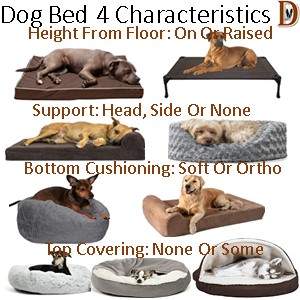
Characteristics Height Support Cushioning Cover
Many dogs do not sleep in just one position. Throughout the night and during daytime naps, they may curl up, stretch their legs, roll onto their sides, or move around to find a comfortable position. A properly sized large dog bed should provide enough space for your dog to lie down completely stretched out from nose to tail.
This is especially important for breeds with longer bodies or larger frames, including Great Danes, German Shepherds, Newfoundlands, Mastiffs, and Saint Bernards. A bed that looks large in a product photo may not provide enough actual sleeping space once a big dog settles in.
Beds That Are Too Small Can Create Uncomfortable Sleeping Positions

The Leaner Sleeping Position
A bed that is too short forces dogs to curl their bodies more tightly or allow their head and legs to hang over the edge. While some dogs naturally enjoy curling up, being limited by the size of the bed can prevent them from choosing their preferred sleeping position.
For large breeds, an undersized orthopedic dog bed for large dogs can also reduce the benefits of supportive foam. If the dog cannot fully lie across the mattress surface, weight distribution may become uneven, placing more pressure on certain areas such as the hips, shoulders, and elbows.
A properly sized bed allows the foam to work as intended by supporting the dog’s entire body rather than only the areas that fit within the available space.
How to Measure Your Dog for the Right Bed Size
To find the correct size memory foam dog bed or orthopedic bed, start by measuring your dog from the tip of the nose to the base of the tail while they are standing in a natural position. Then add several inches of extra space to allow room for stretching and movement.
A simple guideline:
- Measure your dog’s nose-to-tail length.
- Add approximately 6 to 12 inches of additional space.
- Choose a bed with enough surface area for your dog to fully extend their body.
For giant breeds or dogs that prefer stretching out, choosing the larger option is often the better choice. A slightly oversized large orthopedic dog bed usually provides more comfort than a bed that forces a dog to sleep curled up.
Weight Ratings Do Not Always Tell the Whole Story
One common mistake when shopping for a large dog bed is focusing only on the manufacturer’s weight recommendation. A bed may be rated for a certain weight but still have a smaller sleeping surface than your dog needs.
For example, a bed may technically support a 100-pound dog, but if the usable sleeping area is too narrow or short, the dog may not be able to fully stretch out. Weight capacity refers to how much weight the materials can support it does not always indicate whether the bed provides enough room for comfortable sleeping.
When comparing the best orthopedic dog beds, look at both factors:
- Weight rating: Determines whether the foam and construction can support your dog’s body weight.
- Sleeping area dimensions: Determines whether your dog has enough room to rest naturally.
The ideal orthopedic dog bed for large breeds combines both strong support and generous sleeping space. A bed with high-quality foam, proper thickness, and enough room to stretch helps ensure your dog receives the full comfort and support they need every time they rest.
Choosing the right size is just as important as choosing the right materials. A well-fitted memory foam dog bed for large dogs gives your companion the space to relax, recover, and sleep comfortably throughout every stage of life.
Durability Is Important as Comfort
When choosing the best dog bed for large dogs, durability is just as important as comfort and support. Large and giant breeds place more stress on their beds simply because of their size, weight, and daily use. A high-quality orthopedic dog bed for large dog’s needs more than supportive foam it also requires durable materials that can withstand years of sleeping, stretching, digging, and everyday wear.
A bed with premium construction helps protect your investment by maintaining its appearance, functionality, and comfort over time. While low-quality beds may lose their shape or develop damage quickly, a durable large dog bed is designed to handle the demands of bigger breeds.
Heavy-Duty Covers Protect the Bed Over Time
The cover is the first line of defense against daily wear. Large dogs can put significant stress on fabric when they climb onto the bed, reposition themselves, or dig before settling down. A memory foam dog bed with a heavy-duty cover helps protect the internal foam while providing a more durable sleeping surface.
Look for covers made with strong, high-quality materials that can handle frequent use without easily stretching, thinning, or tearing. A durable cover helps extend the lifespan of the bed and keeps the supportive foam underneath protected.
Tear-Resistant Fabrics for Large Breed Durability
Large dogs often have stronger nails, heavier bodies, and more powerful movements than smaller breeds. Tear-resistant fabrics are an important feature in a large orthopedic dog bed because they help prevent damage caused by scratching, digging, and repeated use.
Materials designed for durability can help the bed maintain its structure and appearance, especially for active breeds and dogs that naturally like to “nest” before sleeping.
Waterproof Liners Help Protect the Foam
A waterproof liner is another valuable feature in a premium orthopedic dog bed for large dogs. The foam inside the mattress provides the majority of the support, but moisture can damage materials over time if it reaches the interior.
A waterproof liner helps protect against accidents, spills, drool, and everyday moisture. This added layer of protection helps preserve the quality of the foam and makes the bed easier to maintain throughout its lifespan.
Reinforced Stitching Improves Long-Term Strength
Strong stitching is often overlooked, but it plays an important role in how well a large dog bed holds up. Weak seams can separate under repeated pressure, especially when supporting heavier dogs.
Reinforced stitching around the edges and stress points helps the cover maintain its shape and withstand daily use. This is especially important for large breeds that frequently climb on and off the bed or move around while sleeping.
Machine-Washable Covers Make Maintenance Easier
Even the most durable orthopedic dog bed needs regular cleaning. Dogs naturally bring dirt, hair, and outdoor debris onto their sleeping surfaces, making easy maintenance an important feature.
A machine-washable cover allows owners to keep the bed fresh and clean without damaging the underlying foam. Removable, washable covers are especially valuable for large dogs because their beds are typically used every day and accumulate more wear than smaller beds.
Non-Slip Bottoms Keep Beds Secure
A non-slip bottom helps keep a large dog bed in place when dogs step onto it, turn around, or get up. Without a stable base, beds can slide across hardwood, tile, or other smooth surfaces, which can be inconvenient and uncomfortable for larger dogs.
A secure bottom allows the bed to stay positioned properly, giving dogs a more reliable place to rest while protecting floors from unnecessary movement.
Choosing a Durable Large Dog Bed
The best orthopedic dog beds for large dogs combine supportive foam with durable construction. Features such as heavy-duty covers, tear-resistant fabrics, waterproof liners, reinforced stitching, machine-washable covers, and non-slip bottoms help ensure the bed can handle years of daily use.
For large breeds, durability is not just a convenience it is part of getting long-lasting value from your investment. A well-built memory foam dog bed provides the comfort your dog needs while offering the strength required to support their size, weight, and lifestyle.
Large dogs are simply harder on beds due to their weight and movement.
Temperature Regulation
Comfort is about more than support and cushioning temperature control also plays an important role when choosing the best dog bed for large dogs. Large and giant breeds often generate more body heat because of their size, and dogs that spend many hours resting need a sleeping surface that helps maintain a comfortable temperature.
A high-quality orthopedic dog bed for large dogs should provide both pressure relief and airflow. Features such as breathable foam, cooling gel memory foam, moisture-wicking covers, and improved air circulation can help create a more comfortable resting environment throughout the year.
Breathable Foam Helps Reduce Heat Buildup
Traditional foam can trap heat, especially when a large dog’s body weight compresses the sleeping surface. Breathable foam is designed with a structure that allows greater airflow through the material, helping reduce heat retention and creating a more comfortable sleeping experience.
For large breeds that spend extended periods on their beds, breathable materials can be an important feature. A memory foam dog bed with improved airflow allows dogs to benefit from the supportive feel of foam while helping prevent the bed from feeling overly warm during longer rest periods.
Cooling Gel Memory Foam Provides Added Comfort
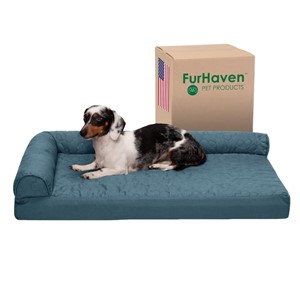
Furhaven Cooling Gel Bed with Bolsters
Cooling gel memory foam is a popular feature in many premium orthopedic dog beds because it combines the contouring support of memory foam with cooling technology designed to help manage heat.
Memory foam helps distribute a dog’s weight evenly across the bed, reducing pressure on areas such as the hips, shoulders, and elbows. Adding cooling gel can help offset some of the heat that memory foam may naturally retain, making it a useful option for larger dogs that prefer a cooler sleeping surface.
A cooling memory foam dog bed for large dogs can be especially appealing for breeds with heavier coats, dogs that sleep in warm environments, or pets that spend many hours resting throughout the day.
Moisture-Wicking Covers Improve Sleeping Comfort
The cover material also affects how comfortable a dog bed feels over time. Moisture-wicking covers help move moisture away from the sleeping surface, which can help keep the bed feeling fresher and more comfortable.
Dogs can bring moisture, outdoor debris, and heat into their sleeping area through normal daily activity. A breathable, moisture-resistant cover helps maintain a cleaner and more comfortable surface while protecting the foam underneath.
For owners searching for a durable orthopedic dog bed, features such as removable, machine-washable, and moisture-wicking covers add convenience and help extend the life of the bed.
Elevated Airflow Around the Bed Helps Improve Ventilation
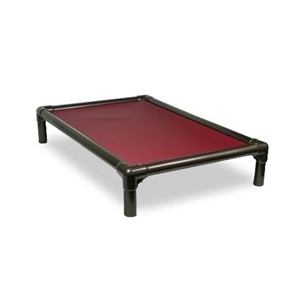
Kuranda Elevated Dog Bed
The design of the sleeping area can also influence temperature control. Beds placed directly against warm floors or made with materials that trap heat may become less comfortable over time.
Some large dog beds are designed with features that encourage better airflow around the mattress, helping heat escape more easily. Elevated designs, breathable materials, or raised structures can improve air circulation around the bed and create a cooler resting environment.
Better airflow is especially beneficial for large breeds because their larger bodies cover more of the sleeping surface, increasing the potential for heat buildup.
Choosing a Temperature-Controlled Orthopedic Dog Bed
The best orthopedic dog beds for large dogs combine supportive construction with temperature-conscious materials. Features such as breathable foam, cooling gel memory foam, moisture-wicking covers, and improved airflow help create a more comfortable sleeping space for dogs of all sizes.
For large and giant breeds, a memory foam dog bed with cooling features provides the benefits of pressure-relieving support while helping dogs stay comfortable during rest. Choosing a bed that manages both body support and temperature can make a significant difference in your dog’s overall sleeping experience.
Mobility and Ease of Getting Up
For large and giant breed dogs, a comfortable place to sleep is important but so is how easily they can get up after resting. The best dog bed for large dogs should provide enough support and cushioning without allowing the dog to sink so deeply that standing becomes difficult. A well-designed orthopedic dog bed for large dogs helps create a stable sleeping surface that supports comfort while making everyday movement easier.
This is especially important for senior dogs, arthritic dogs, and giant breeds, which often place more stress on their joints due to age, body size, or natural breed characteristics. Choosing a supportive large dog bed with orthopedic foam can help create a more comfortable resting environment throughout every stage of life.
Senior Dogs Benefit From Supportive Sleeping Surfaces
As dogs age, many owners notice changes in how their pets move after long periods of rest. Senior dogs may take more time to stand up after sleeping, especially after lying on surfaces that are too soft, uneven, or lack proper support.
A quality senior dog bed with memory foam provides a stable foundation that cushions pressure points while helping maintain a more even sleeping position. Features such as high-density support foam and multi-layer construction allow the bed to support a dog’s body without excessive sinking.
While an orthopedic dog bed does not prevent or treat age-related conditions, providing a supportive resting area can help improve everyday comfort for older dogs as part of a complete care routine.
Arthritic Dogs May Benefit From Better Pressure Support
Dogs with arthritis may experience changes in comfort and mobility, making supportive bedding an important consideration. A thin cushion or worn-out bed can allow joints to experience more direct pressure, especially around the hips, shoulders, elbows, and knees.
An orthopedic dog bed for arthritic dogs is designed to distribute body weight more evenly across the sleeping surface. Memory foam helps contour around the dog’s body, while support foam provides the structure needed to prevent excessive sinking.
Creating a comfortable sleeping environment may help arthritic dogs rest more easily, although owners should always consult their veterinarian for guidance on managing joint health.
Giant Breeds Need Beds Designed for Their Size
Giant breeds face unique challenges because their larger bodies place greater demands on their sleeping surfaces. Breeds such as Great Danes, Mastiffs, Saint Bernards, and Newfoundlands require a large orthopedic dog bed that can support their weight without quickly flattening or losing shape.
A bed that is too soft may allow a giant breed dog to sink too deeply, making it harder to push up from a lying position. In contrast, a supportive memory foam dog bed for large dogs provides cushioning while maintaining a more stable surface for standing and repositioning.
The Right Balance of Comfort and Support Matters
The ideal orthopedic dog bed for large dogs balances softness with support. A bed should feel comfortable while still providing enough resistance for a dog to shift positions and rise naturally.
Important features to look for include:
- High-density support foam to maintain structure under heavier weight.
- Memory foam layers for pressure relief and body contouring.
- Non-slip bottoms to keep the bed stable when dogs stand up.
- Adequate thickness to prevent the dog from sinking onto the floor.
Supporting Mobility Through Better Rest
A supportive bed is more than a comfortable sleeping spot it is part of creating a home environment that meets a dog’s changing needs. For senior dogs, arthritic dogs, and giant breeds, choosing the best orthopedic dog bed can provide a more supportive place to rest while helping them move more comfortably through their daily routine.
Investing in a durable large dog bed with orthopedic support gives dogs a reliable resting surface designed around their size, weight, and lifestyle. Better support during sleep can contribute to a more comfortable experience every time they lie down, relax, and get back on their feet.
Signs Your Dog’s Bed Isn’t Providing Enough Support
Even the most comfortable-looking dog bed may not provide the support your dog needs. Over time, low-quality foam, worn-out filling, and inadequate cushioning can reduce a bed’s ability to support a dog’s body especially for large and giant breeds. Knowing the signs of an unsupportive bed can help owners determine when it may be time to upgrade to a more durable orthopedic dog bed for large dogs.
The best dog bed for large dogs should provide consistent support, distribute weight evenly, and maintain its shape over time. If a bed no longer cushions pressure points or allows your dog to rest comfortably, it may be time to consider a higher-quality memory foam dog bed or orthopedic sleeping surface.
Elbows Touching the Floor
One of the clearest signs that a large dog bed is not providing enough support is when your dog’s elbows, hips, or other prominent areas press through the cushioning and come close to the floor.
Large dogs naturally place more pressure on their joints because of their body weight. If the bed is too thin or the foam has broken down, there may not be enough padding between your dog and the hard surface underneath. A supportive orthopedic dog bed should help cushion these pressure points by distributing weight across the sleeping surface.
Difficulty Standing After Naps
If your dog appears slow to get up, hesitates before standing, or struggles to rise after resting, the bed may not be providing the right level of support. While changes in mobility can have many causes, an uncomfortable sleeping surface may make resting less enjoyable for some dogs.
A properly designed orthopedic dog bed for senior dogs and large breeds provides a stable surface that supports the body without excessive sinking. The right balance of cushioning and firmness allows dogs to rest comfortably while maintaining easier movement when they get up.
Frequently Changing Sleeping Positions
Dogs naturally adjust their position while sleeping, but frequent repositioning may indicate that a bed is not comfortable enough. If your dog repeatedly shifts, circles, or moves around trying to find a better spot, the bed may not be distributing pressure effectively.
A quality memory foam dog bed for large dogs helps contour to the body while reducing pressure on areas such as the hips, shoulders, and elbows. This creates a more consistent sleeping surface where dogs can relax in different positions.
Choosing the Floor Instead of the Bed
Many owners assume that if their dog chooses the floor, they simply prefer a cooler or firmer surface. Sometimes that is true but in other cases, a dog may avoid a bed because it no longer provides adequate support.
A flattened, overly soft, or unstable bed may feel less comfortable than a firm floor. If your dog regularly ignores their bed in favor of hard surfaces, it may be a sign that the current bed is not meeting their needs.
Upgrading to a high-quality orthopedic dog bed with supportive foam and proper structure can provide a more comfortable alternative.
Flattened or Lumpy Cushioning
A bed that has lost its original shape is one of the most common signs of poor support. Over time, inexpensive foam and polyester filling can compress, shift, and develop uneven areas.
Flattened or lumpy cushioning can create an unstable sleeping surface that no longer distributes weight properly. For large breeds, this can happen more quickly because their size places greater pressure on the materials.
The best orthopedic dog beds use durable materials such as high-density support foam and multi-layer foam construction to help maintain their shape and performance over time.
Visible Sagging
Visible sagging is another clear indicator that a dog bed may need replacement. When a mattress develops deep impressions or sinks noticeably in the areas where your dog sleeps most often, the internal support may have weakened.
A quality large orthopedic dog bed should resist permanent sagging and continue providing consistent support even after years of daily use. Premium materials such as memory foam combined with support foam help reduce the risk of the bed collapsing under repeated pressure.
When It’s Time to Replace Your Dog’s Bed
A supportive dog bed is an important part of your dog’s daily comfort, especially for large breeds, senior dogs, and dogs with active lifestyles. If you notice signs such as elbows reaching the floor, difficulty standing after naps, constant repositioning, avoiding the bed, flattened cushioning, or visible sagging, it may be time to invest in a better-quality option.
Choosing the best orthopedic dog bed for large dog’s means looking beyond appearance. Features such as durable foam, proper thickness, strong construction, and long-lasting support help ensure your dog has a comfortable place to rest for years to come.
What to Look for When Buying a Bed
Choosing the best dog bed for large dogs requires more than selecting the largest option available. Large and giant breeds need a bed designed to support their weight, protect pressure points, and maintain comfort over years of daily use.
A high-quality orthopedic dog bed for large dogs should combine supportive materials, durable construction, and practical features that make it easier for both dogs and owners to enjoy the bed long term.
When comparing large dog beds, look beyond appearance and focus on the features that determine performance, durability, and overall value.
High-Density Orthopedic Foam
The foundation of a quality orthopedic dog bed is the foam inside. Large dogs place significantly more pressure on their sleeping surface, so low-quality foam can quickly flatten and lose support.
Look for beds made with high-density orthopedic foam or a combination of memory foam and support foam. High-density foam helps maintain the bed’s structure, provides consistent support, and reduces the risk of sagging over time.
A premium memory foam dog bed typically uses a multi-layer design, combining a comfortable top layer with a supportive base layer that helps prevent dogs from sinking too deeply.
Proper Thickness: 4–7 Inches Depending on Size and Weight
Thickness plays an important role in how well a bed supports a large dog. As a general guideline, the best orthopedic dog beds for large breeds often range from 4 to 7 inches thick, depending on the dog’s weight, size, and sleeping habits.
- Medium-to-large dogs may be comfortable with approximately 4 inches of supportive foam.
- Heavy large breeds and giant breeds may benefit from 6–7 inches of cushioning.
A thicker bed with quality materials helps prevent “bottoming out,” where a dog’s weight compresses the foam so much that little cushioning remains between the dog and the floor.
Weight Rating Matters
A common mistake when shopping for a large orthopedic dog bed is looking only at the dimensions. Weight capacity is equally important because foam performance changes depending on how much weight it supports.
Always check the manufacturer’s recommended weight rating and choose a bed designed for your dog’s actual weight range. A bed rated for a smaller dog may not provide enough long-term support for breeds such as Great Danes, Mastiffs, Saint Bernards, or Newfoundlands.
Large Sleeping Surface
A supportive bed also needs to provide enough room for your dog to sleep naturally. The best dog bed for large dogs should allow your dog to stretch fully, change positions, and rest without hanging off the edges.
Before purchasing, measure your dog from nose to tail and add extra space for stretching. Remember that weight ratings describe the strength of the material they do not always indicate the amount of usable sleeping space.
Washable Cover
A durable, easy-to-clean cover is an essential feature of any large dog bed. Dogs naturally bring dirt, hair, moisture, and outdoor debris onto their sleeping surface, so a removable, machine-washable cover makes maintenance much easier.
A washable cover also helps protect the foam underneath, extending the life of the bed and keeping the sleeping area fresh.
Waterproof Liner
A waterproof liner provides an additional layer of protection between the cover and the foam. Since moisture can damage foam materials over time, a waterproof barrier helps protect the internal structure of a memory foam dog bed from accidents, spills, and everyday wear.
For large breeds, this feature is especially valuable because replacing a large orthopedic mattress can be expensive.
Durable Stitching and Heavy-Duty Construction
The cover and seams of a large orthopedic dog bed need to withstand daily use. Large dogs can put extra stress on fabric when climbing onto the bed, stretching, digging, or repositioning themselves.
Look for reinforced stitching and durable materials designed to handle the demands of bigger breeds. Strong construction helps prevent tears, seam separation, and premature replacement.
Non-Slip Base
A non-slip bottom (non-skid) helps keep the bed securely in place when dogs step onto it, turn around, or stand up. This is especially helpful for large and senior dogs that benefit from a stable sleeping surface.
A bed that slides across hardwood, tile, or other smooth flooring may be frustrating for dogs and owners, while a secure base provides a more reliable resting area.
Warranty and Long-Term Value
A strong warranty can be a sign that a manufacturer stands behind its product. Since premium orthopedic dog beds for large dogs are designed as long-term investments, a warranty provides additional confidence in the quality and durability of the materials.
When comparing beds, consider not only the upfront price but also the expected lifespan. A durable bed that maintains its support for years may offer better value than a cheaper option that needs frequent replacement.
Certifications Such as CertiPUR-US® Foam (When Applicable)

CertiPUR-US Certification Seal
For owners interested in foam quality and manufacturing standards, certifications such as CertiPUR-US® may provide additional information about certain foam products. When applicable, these certifications indicate that the foam has been tested for specific standards related to content, emissions, and durability.
Always review the manufacturer’s information to understand what certifications apply to the specific bed you are considering.
Large Dog Bed Buying Checklist
Before purchasing an orthopedic dog bed for large dogs, look for:
✓ High-density orthopedic foam
✓ 4–7 inches of thickness based on your dog’s size and weight
✓ Appropriate weight rating
✓ Large sleeping surface
✓ Machine-washable cover
✓ Waterproof liner
✓ Durable stitching
✓ Non-slip base
✓ Warranty coverage
✓ Quality certifications such as CertiPUR-US® foam when applicable
The best orthopedic dog bed combines comfort, support, durability, and practical features. By focusing on construction quality instead of just price or appearance, owners can choose a bed that better meets the needs of large and giant breed dogs throughout every stage of life.
Common Mistakes Owners Make When Choosing a Large Dog Bed
Choosing the best dog bed for large dogs can be more complicated than simply picking a bed that looks comfortable or matches your dog’s breed. Large and giant breeds have unique needs because their size, weight, and sleeping habits place greater demands on their beds. Many common mistakes can lead to poor support, faster wear, and a less comfortable sleeping experience.
Understanding what to avoid can help owners choose a large orthopedic dog bed that provides better durability, support, and long-term value.
Buying Based on Breed Instead of Actual Weight
One of the most common mistakes owners make is choosing a dog bed based only on breed. While breed can provide a general idea of size, individual dogs within the same breed can vary significantly in weight, body shape, and sleeping style.
A Great Dane, for example, may require a different orthopedic dog bed for large dogs than a smaller-built German Shepherd, even though both are considered large breeds. The better approach is to consider your dog’s actual weight, body length, and sleeping habits when selecting a bed.
Always check the manufacturer’s weight recommendations and sleeping surface dimensions rather than relying only on breed labels.
Choosing Fluffy Filling Instead of Supportive Foam
A soft, fluffy bed may look comfortable, but appearance does not always equal support. Beds filled with polyester fiberfill often provide a plush feel initially but can compress, shift, and flatten over time especially under the weight of large dogs.
For heavier breeds, a memory foam dog bed or orthopedic foam mattress typically provides more consistent support. High-density support foam helps distribute body weight more evenly and maintains its structure longer than traditional stuffing.
The goal of a large orthopedic dog bed is not simply softness it is balanced comfort and support.
Ignoring Bed Thickness
Many owners focus on length and width but overlook the importance of mattress thickness. A bed that is large enough but too thin may not provide enough cushioning for a heavy dog.
As a general guideline, quality orthopedic dog beds for large breeds often range from 4 to 7 inches thick, depending on the dog’s size and weight. Thicker, high-density foam helps prevent bottoming out, where the dog’s body compresses through the bed and loses the benefit of cushioning.
Choosing the right thickness helps ensure the bed continues supporting your dog over time.
Buying a Bed That Is Too Small
Another common mistake is selecting a bed based on the size of the dog while forgetting how dogs actually sleep. Many dogs like to stretch, change positions, or sleep on their sides, requiring more space than owners expect.
A large dog bed should allow your dog to lie fully stretched from nose to tail with additional room to move. A bed that is too small can force awkward sleeping positions and prevent the foam from properly supporting the entire body.
Measure your dog before purchasing and consider adding extra space for stretching and repositioning.
Waiting Until Joint Problems Appear
Many owners wait until their dog shows signs of discomfort before investing in an orthopedic dog bed. However, supportive bedding is not only for senior dogs or dogs with existing mobility concerns.
Young giant breeds, active sporting dogs, and working dogs can also benefit from a supportive resting surface. Choosing a quality memory foam dog bed for large dogs earlier in life is a proactive way to provide comfort rather than waiting until problems develop.
An orthopedic bed does not prevent or treat medical conditions, but it can provide a more supportive environment for daily rest.
Replacing Beds Only After They Are Visibly Worn
A dog bed does not always need to look damaged to have lost its effectiveness. Foam can gradually lose density and support before obvious signs such as tears or severe sagging appear.
A flattened sleeping surface, permanent body impressions, reduced thickness, or visible sinking may indicate that the bed is no longer providing the support your dog needs.
Regularly checking your dog’s bed condition helps ensure they continue receiving the benefits of a supportive sleeping surface.
Choosing Price Over Long-Term Value
A low-cost bed may seem like a smart purchase, but inexpensive materials often wear out faster under the weight of large breeds. Replacing a cheap bed repeatedly can cost more over time than investing in a durable orthopedic dog bed for large dogs.
Premium features such as high-density foam, reinforced stitching, washable covers, and durable construction can increase the lifespan of the bed and provide better overall value.
Overlooking Important Features
Some owners focus only on foam and forget other features that affect everyday use. A complete large orthopedic dog bed should also include practical details such as:
- A removable, machine-washable cover
- A waterproof liner to protect the foam
- A non-slip base for stability
- Durable stitching for long-term use
- A warranty for added confidence
Making the Right Choice for Your Dog
Avoiding these common mistakes makes it easier to choose the best orthopedic dog bed for large dogs. The right bed should match your dog’s weight, sleeping style, activity level, and life stage while providing the support needed for years of daily use.
Large breeds require more than a soft cushion they need a properly designed sleeping surface that combines durable materials, supportive foam, adequate thickness, and enough room to rest comfortably. Choosing the right large dog bed is an investment in your dog’s comfort today and throughout their life.
Frequently Asked Questions About Large Dog Beds
Choosing the best dog bed for large dogs often comes with many questions. Large breeds have different needs than smaller dogs because their size and weight place more pressure on their sleeping surface. From foam thickness and durability to orthopedic support and long-term comfort, understanding what makes a quality orthopedic dog bed for large dogs can help owners make a better decision.
How thick should a bed be for a 100-pound dog?
For a 100-pound dog, a high-quality orthopedic dog bed should generally be around 6 inches thick, although the ideal thickness depends on the dog’s body shape, sleeping habits, and the quality of the foam.
Large dogs require enough cushioning to prevent bottoming out, where their weight compresses the bed too much and reduces support. A memory foam dog bed for large dogs with a combination of comfort foam and high-density support foam is often a better choice than a thin cushion or basic stuffed bed.
When selecting a bed for a 100-pound dog, consider both thickness and foam density. A thick bed made from low-quality materials may still flatten quickly, while a well-constructed orthopedic bed can maintain support much longer.
Is memory foam enough by itself?
Memory foam provides excellent contouring and pressure relief, but it is usually most effective when combined with a supportive base layer. A premium orthopedic dog bed often uses a multi-layer foam construction that combines memory foam with high-density support foam.
Memory foam helps distribute body weight and cushion pressure points around areas such as the hips, shoulders, and elbows. Support foam provides the structure needed to prevent excessive sinking and maintain the bed’s shape over time.
For large and giant breeds, a memory foam dog bed with support foam underneath typically provides a better balance of comfort, durability, and long-term support.
How often should a dog bed be replaced?
The lifespan of a dog bed depends on the quality of materials, the dog’s size, and how often the bed is used. A low-quality bed may need replacement within a year, while a premium large orthopedic dog bed made with durable foam may last several years with proper care.
Signs that it may be time to replace a dog bed include:
- Flattened or compressed foam
- Visible sagging
- Permanent body impressions
- Loss of cushioning
- Torn or damaged covers
- Your dog avoiding the bed
Even if a bed still looks clean, worn-out foam may no longer provide the support your dog needs.
Are elevated beds better than foam beds?
Elevated dog beds and foam orthopedic beds serve different purposes. Elevated beds can improve airflow underneath the sleeping surface and may be useful for dogs that prefer a firmer, cooler resting area.
However, for many large breeds, senior dogs, and dogs needing pressure relief, an orthopedic dog bed with supportive foam may provide better cushioning and body support. A memory foam dog bed helps distribute weight more evenly and provides a softer, more supportive surface for resting joints.
The best choice depends on your dog’s size, age, sleeping preferences, and comfort needs.
Do puppies need orthopedic beds?
Puppies do not always require an orthopedic bed, but large and giant breed puppies can benefit from supportive bedding. Young dogs grow quickly, and providing a comfortable resting surface early can help create better sleeping habits.
A large breed puppy bed with durable materials, proper cushioning, and enough space to grow can be a smart investment. While an orthopedic dog bed does not prevent developmental conditions, it provides a supportive and comfortable place for puppies to rest after play and activity.
Can a supportive bed help dogs with arthritis?
A supportive orthopedic dog bed for dogs with arthritis can help create a more comfortable resting environment by reducing pressure on areas such as the hips, shoulders, and other joints. Features like memory foam and high-density support foam help distribute body weight more evenly than thin or worn-out bedding.
A dog bed cannot prevent or treat arthritis, but choosing a supportive sleeping surface may improve comfort during rest. Owners should also follow veterinary guidance for dogs with arthritis or other joint-related conditions.
What type of dog bed is best for large breeds?
The best dog bed for large breeds typically includes several important features:
- High-density orthopedic foam
- Memory foam for pressure relief
- Adequate thickness based on the dog’s weight
- A large sleeping surface
- Durable, washable covers
- Waterproof liners
- Reinforced stitching
- Non-slip bottoms
Large breeds need a bed designed around their body weight, not simply a larger version of a small dog bed.
Are orthopedic dog beds worth it for healthy adult dogs?
Yes. An orthopedic dog bed for large dogs is not only for senior pets or dogs with existing mobility concerns. Healthy adult dogs, active dogs, working dogs, and giant breeds can all benefit from a supportive sleeping surface.
Using a quality bed from an early age is a proactive approach to comfort. It helps ensure that your dog has a durable place to rest, recover after activity, and sleep comfortably throughout life.
What is the best material for a large dog bed?
The best materials for a large orthopedic dog bed are typically durable foams combined with strong, easy-to-maintain covers. High-density support foam provides structure, while memory foam adds cushioning and pressure distribution.
Additional features such as breathable materials, cooling layers, waterproof liners, and machine-washable covers can improve comfort and durability.
Final Thoughts on Choosing the Best Large Dog Bed
The right orthopedic dog bed for large dogs should provide a combination of support, durability, comfort, and proper sizing. Large breeds spend many hours resting every day, so investing in a high-quality memory foam dog bed or orthopedic mattress can make a meaningful difference in their everyday comfort.
By focusing on foam quality, thickness, size, and construction, owners can choose a bed that better supports their dog’s needs at every stage of life.
Conclusion: The Right Bed Is an Investment in Your Large Dog’s Future
Large dogs have unique needs that go beyond simply having a bigger sleeping surface. Because of their size and body weight, large and giant breeds place significantly more pressure on their joints, including the hips, shoulders, elbows, and knees, compared with smaller dogs. This increased pressure makes choosing a properly designed large dog bed an important part of providing everyday comfort and support.
A high-quality orthopedic dog bed for large dogs is designed to do more than provide a soft place to sleep. Features such as high-density support foam, memory foam layers, proper thickness, and durable construction help distribute body weight more evenly across the sleeping surface. This reduces concentrated pressure points and creates a more supportive resting environment for large breeds.
Unlike thin cushions and low-density beds that can flatten, sag, and lose their shape quickly, a premium large orthopedic dog bed is built to maintain its structure over time. A well-designed memory foam dog bed provides a combination of comfort and stability, helping support proper sleeping positions while offering long-lasting durability.
Choosing the best orthopedic dog bed for large dogs is not just about making your pet more comfortable—it is an investment in their long-term well-being. A supportive bed gives large dogs a reliable place to rest, recover after daily activity, and sleep comfortably throughout every stage of life.
For young giant breeds, active dogs, working dogs, and senior companions, the right sleeping surface can make a meaningful difference in their daily routine. By selecting a bed with quality materials, adequate thickness, proper sizing, and durable construction, owners can provide the support their large dogs need for years to come.
The best dog bed for a large breed is one that recognizes what makes these dogs special: their size, strength, and increased need for dependable support. Investing in a high-quality orthopedic dog bed is ultimately an investment in your dog’s comfort, mobility, recovery, and overall quality of life.
Shop Orthopedic Dog Beds for Large Dogs
As an Amazon Associate, I earn from qualifying purchases. Your purchase price is the same as if you shop directly on Amazon.
The price at time of publish is included below to give you an idea of what the price is; however, it is subject to change.
Please note: When you are in Amazon for the bed type, you have some options in selecting the color and other bed sizes.
Barker Beds
Sofa Bed
Barker Beds Orthopedic XL Sofa Bed
Rectangle Bed w/Headrest
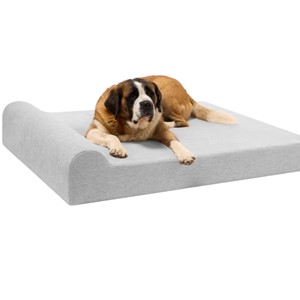
Barker Beds Orthopedic Bed Giant with Headrest
Rectangle Bed
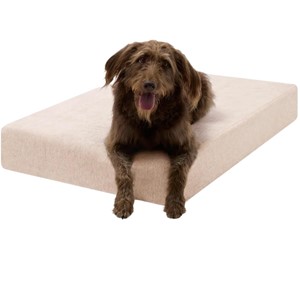
Barker Beds Orthopedic Rectangle Large Bed
Furhaven Bed
Sofa Style
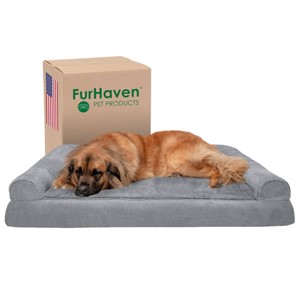
FurHaven XL Gray Orthopedic Sofa Bolster Bed
Tempur-Pedic Mattress Bed
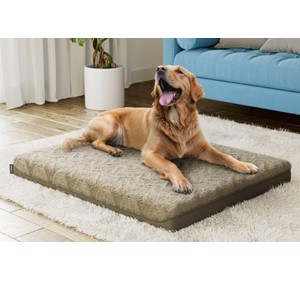
Tempur-Pedic Orthopedic Pet Mattress Bed
K9 Ballistics Beds
Elevated Bed
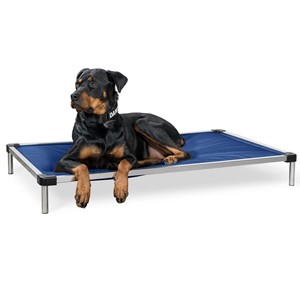
K9 Ballistics Elevated Chew Proof Dog Bed
- K9 Ballistics Elevated Chew Proof Dog Bed 6 Colors, Sizes: L, XL, XXL, Chew Proof Design, No Assembly Required, Non-Skid Feet, Easy to Clean, Ripstop Ballistic Polyester Material, 120-Day Chew Proof Warranty, $150 – $210
Sofa & Bolster Style
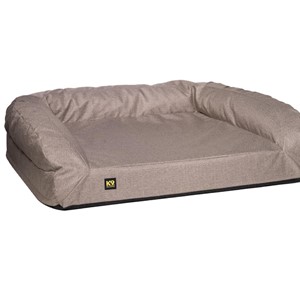
K9 Ballistics Orthopedic Bolster Sofa Style Bed
- K9 Ballistics Orthopedic Bolster Sofa Style Bed 5 Colors, Sizes: L, XL, XXL, Orthopedic Support, Water Resistant, Easy to Clean, CertiPUR-US Seal, Material: Ripstop Ballistic Polyester, Durable, $275 – $390
Crate Pad
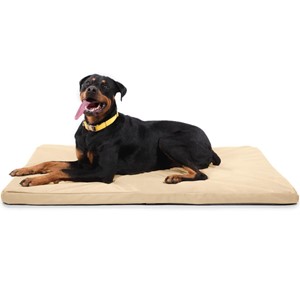
K9 Ballistics XL Sandstone Orthopedic Rectangular Crate Pad
Bolster Pillow Bed
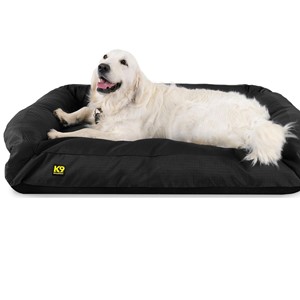
K9 Ballistics Orthopedic Bolster Pillow Bed
- K9 Ballistics Orthopedic Bolster Pillow Bed 5 Colors, Sizes: (L, XL, XXL), Durable, Easy to Clean & Machine Washable, Water Resistant, Materials: Ripstop Ballistic Polyester, Foam CertiPUR-US Certified, Foam Made In USA, Withstands Light Chewing & Digging, Non-Skid Bottom, 120-Day Cover Warranty, $275 – $390
Rectangle Bed
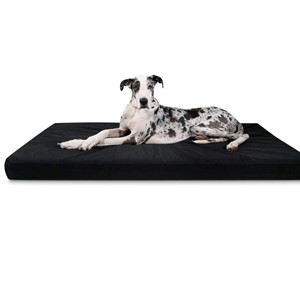
K9 Ballistics Orthopedic Rectangle XXL Bed
- K9 Ballistics Orthopedic Rectangle XXL Bed 6 Colors, Sizes: (L, XL, XXL), Durable, Non-Skid Bottom, Cover Removable & Machine Washable, Foam Is CertiPUR-US Certified, 10-Yr. Won’t Flatten Warranty, 120-Day Chew Proof Promise, Material: Ballistic Rip-Stop Polyester, Foam Made In USA, $230 – $325
Crate Bed
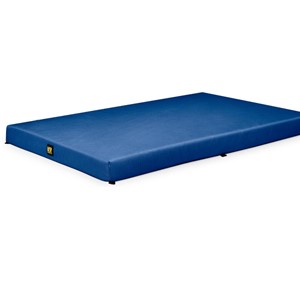
K9 Ballistics Orthopedic Crate Bed
Rectangle Bed w/Headrest
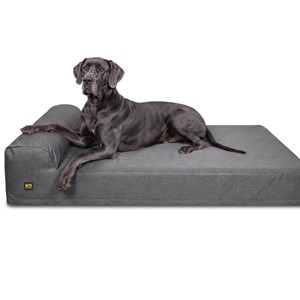
K9 Ballistics Orthopedic Rectangle with Headrest Bed