Top-Rated Space-Saving Dog Beds for Apartments
The Best Dog Beds for Apartments!
Introduction
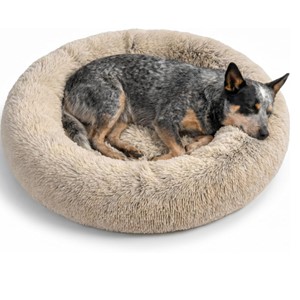
Best Friends by Sheri Medium Calming Dog Bed
Living in an apartment doesn’t mean your dog has to sacrifice comfort. The right dog bed for an apartment can give your pet a cozy place to sleep while helping you make the most of limited floor space. Whether you have a small breed, a large dog, a senior pet, or a heavy shedder, choosing the right bed comes down to more than size alone.
The best apartment dog beds combine comfort, practical design, durability, and easy maintenance. Features such as washable covers, non-slip bottoms, orthopedic foam, compact footprints, and elevated designs can make a dog bed easier to live with in a smaller home.
In this guide, we’ll look at some of the best dog beds for apartments, including space-saving options for small and large dogs, easy-to-clean beds, beds for senior and anxious dogs, and designs suited to hardwood and other hard flooring. We’ll also cover how to choose the right size, where to place your dog’s bed, and what features to look for before making a purchase.
Whether you’re furnishing a studio apartment or simply trying to make better use of your available space, the right dog bed can help create a comfortable spot for your pet without taking over your home.
What Makes a Good Dog Bed for an Apartment?
Choosing a dog bed for an apartment is a little different from choosing one for a large house. When floor space is limited, the ideal bed should give your dog plenty of comfort without becoming an obstacle in your living space. The best dog beds for apartments are comfortable, practical, durable, and easy to keep out of the way.
Here are the key features to look for when choosing a dog bed for apartment living.
Compact Footprint
A dog bed should provide enough room for your dog to sleep comfortably without taking over the room. Look for a bed with a compact footprint that fits neatly into a corner, beside the sofa, or in another designated sleeping area.
Measure the space where you plan to put the bed before buying. This is especially important in studio apartments and smaller living rooms, where every square foot matters.
Easy to Move
An apartment-friendly dog bed should be easy to move when you need to vacuum, rearrange furniture, or make better use of your space. Lightweight beds, beds with handles, and foldable designs can be especially convenient.
If your dog likes to follow you from room to room, a portable bed can also make it easier to give them a comfortable place to rest wherever you spend time.
Easy to Clean
Dogs can bring dirt, hair, moisture, and odors into their beds, so easy cleaning is essential. Look for dog beds with removable, machine-washable covers that can be cleaned regularly.
Water-resistant or waterproof liners can provide additional protection against accidents and spills. For apartment living, an easy-to-clean bed can help keep a smaller space feeling fresher and more hygienic.
Durable Materials
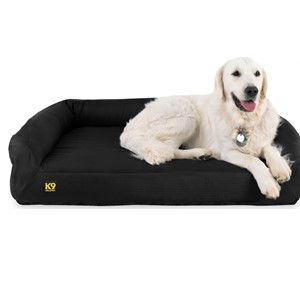
K9 Ballistics Tough Orthopedic Large Bolster Bed
A good dog bed should be able to withstand everyday use. Durable fabrics and high-quality filling are particularly important for dogs that scratch, dig, chew, or frequently climb in and out of their beds.
Look for sturdy construction, reinforced seams, and materials suited to your dog’s habits. Spending a little more on a durable dog bed can also be worthwhile if it means you won’t need to replace it frequently.
Comfortable for Different Sleeping Styles
Every dog has a favorite way to sleep. Some curl up into a ball, while others stretch out across the entire bed. Some dogs like to rest their heads on a raised edge, while others prefer a flat sleeping surface.
Choose a dog bed that matches your dog’s sleeping style. Bolster beds can work well for dogs that like extra head and neck support, while flat or generously sized beds may be better for dogs that like to stretch out.
The right size matters, too. A bed that’s too small can restrict your dog’s movement, while an oversized bed may use more floor space than necessary.
Doesn’t Slide Around on Hardwood or Tile
Hard flooring is common in apartments, but smooth surfaces can cause dog beds to slide when your pet gets in or out. A non-slip bottom can help keep the bed securely in place on hardwood, tile, laminate, or other smooth flooring.
A stable dog bed is not only more convenient it can also make it easier for your dog to get in and out without the bed shifting underneath them.
Doesn’t Take Up Unnecessary Floor Space
In an apartment, the best dog bed isn’t necessarily the biggest one. It’s the one that provides your dog with the comfort they need while making efficient use of your available space.
Consider the bed’s overall dimensions, shape, and placement before buying. A corner-friendly design, elevated bed, or compact bolster bed may give your dog a comfortable sleeping area without interfering with walkways or making the room feel crowded.
Ultimately, the best dog bed for an apartment strikes a balance between comfort, durability, cleanliness, and space efficiency. By choosing a bed that fits both your dog and your living space, you can create a comfortable spot for your pet without sacrificing valuable apartment space.
Recommended Dog Bed Brands for Apartment Owners
1. FurHaven — Best for Budget-Friendly Apartment Beds
Best for: Apartment owners looking for an affordable, space-conscious bed with plenty of size and style options.
- Size options: FurHaven offers numerous sizes, depending on the specific model, from beds for small dogs through large and giant breeds.
- Dimensions: Dimensions vary substantially by model. For example, one Luxe Lounger range includes sizes from approximately 20 × 15 inches through much larger options.
- Materials: Many models use orthopedic foam with plush, faux-fur, suede, or other fabric covers.
- Washability: Most FurHaven beds have removable, machine-washable covers.
- Weight/portability: Many models are relatively easy to move, making them practical for apartments where you may need to rearrange furniture or vacuum frequently.
- Pros: Affordable, many designs and sizes, washable covers, good selection for different sleeping styles.
- Cons: Construction and foam quality vary by model; some larger beds can still have a surprisingly large footprint.
- Ideal apartment situation: Small- to medium-sized apartments where owners want comfort without spending a premium.
2. Bedsure — Best for Small Spaces and Budget-Conscious Owners
Best for: Owners who want an affordable bolster or orthopedic bed that fits naturally into a living room or bedroom.
Bedsure’s orthopedic bolster beds use high-density egg-crate foam and removable covers, making them a practical option for everyday apartment living.
- Size options: Multiple sizes are available, depending on the model.
- Dimensions: Vary by model and size, so measure the available floor space before purchasing.
- Materials: High-density egg-crate foam and soft upholstery fabrics are common.
- Washability: Removable, machine-washable covers are available on many models.
- Weight/portability: Generally easier to move than very thick premium orthopedic beds.
- Pros: Affordable, comfortable, several shapes and sizes, easy-care covers.
- Cons: Less premium construction than high-end orthopedic brands; some plush materials can collect hair.
- Ideal apartment situation: Studios, condos, and smaller apartments where you want a comfortable bed without using a large amount of floor space.
3. Big Barker — Best for Large Dogs
Best for: Large and giant dogs that need substantial orthopedic support.
Big Barker is worth including because apartment living doesn’t necessarily mean having a small dog. Its beds come in large footprints, including 48 × 30, 52 × 36, and 60 × 48 inches for certain models, so owners should measure their available space carefully.
- Size options: Large, Extra Large, and Giant on the Original line.
- Dimensions: Approximately 48 × 30 × 7 inches, 52 × 36 × 7 inches, and 60 × 48 × 7 inches, depending on size.
- Materials: Thick therapeutic foam with a removable microfiber-style cover.
- Washability: The removable covers are machine washable.
- Weight/portability: Heavier and bulkier than many apartment beds because of the thick foam construction.
- Pros: Excellent support for large dogs, thick cushioning, washable cover, multiple large sizes.
- Cons: Expensive, bulky, and potentially difficult to fit into a small apartment.
- Ideal apartment situation: An apartment with a large dog where joint support is more important than minimizing the bed’s footprint.
4. K9 Ballistics — Best for Durable Apartment Dogs
Best for: Dogs that scratch, dig, or are hard on their beds.
K9 Ballistics is a useful brand to include when durability is a priority. Its Tough Rectangle Bolster line uses rugged materials and comes in different sizes.
- Size options: Multiple sizes, depending on the model.
- Dimensions: Vary by model and size.
- Materials: Durable ripstop-style fabrics and supportive filling/foam, depending on the bed.
- Washability: Many models have removable, washable covers.
- Weight/portability: Moderate; easier to move than some very thick orthopedic beds.
- Pros: Durable construction, good option for active or destructive dogs, apartment-friendly rectangular designs.
- Cons: Usually more expensive than basic dog beds.
- Ideal apartment situation: Owners who need a bed that can withstand digging and nesting without replacing it frequently.
5. Carhartt — Best for Durability and Simple Design
Best for: Dogs that are rough on their beds and owners who prefer a straightforward, durable design.
Carhartt’s Firm Duck Dog Bed uses the brand’s 12-ounce cotton duck canvas, a material designed with durability in mind.
- Size options: Small, Medium, and Large on the Firm Duck Dog Bed.
- Dimensions: Approximately 26 × 21, 35 × 27, and 41 × 33 inches, depending on size.
- Materials: 100% ring-spun cotton duck canvas with a firm sleeping surface.
- Washability: The cover/cushion components are designed for cleaning, although care instructions should be checked for the specific model.
- Weight/portability: Relatively manageable compared with thick orthopedic beds.
- Pros: Durable canvas, simple design, reasonable footprint, recognizable workwear construction.
- Cons: Less plush than some bolster and luxury beds; not necessarily the best choice for dogs wanting a soft nest.
- Ideal apartment situation: A practical apartment where durability and a relatively simple footprint matter more than a plush appearance.
6. Orvis — Best for Premium Apartment Living
Best for: Owners who want a dog bed that looks more like quality home furniture.
Orvis offers several premium memory-foam beds, including couch and deluxe designs. The Memory Foam Couch, for example, has a three-sided bolster design, while the Deluxe uses a 4-inch memory-foam cushion.
- Size options: Multiple sizes depending on the model.
- Dimensions: The Memory Foam Couch ranges from approximately 40 × 26 inches to 54 × 37 inches externally.
- Materials: Memory foam with upholstered fabric covers.
- Washability: Removable covers are designed for cleaning; check the individual model’s care instructions.
- Weight/portability: Generally less portable than thin travel beds because of the substantial foam construction.
- Pros: Premium construction, attractive furniture-like appearance, supportive memory foam, good option for dogs that like bolsters.
- Cons: Expensive and potentially bulky for a small apartment.
- Ideal apartment situation: A stylish apartment where the dog bed will be a visible part of the living space.
Brand Comparison Table
A quick reference table to compare bed brands and what their purpose is.
| Brand | Best for |
| FurHaven | Budget-conscious apartment owners |
| Bedsure | Small spaces and affordable comfort |
| Big Barker | Large dogs needing orthopedic support |
| K9 Ballistics | Durable beds for tough chewers/diggers |
| Carhartt | Durable, simple beds |
| Orvis | Premium, furniture-style apartment living |
Best Space-Saving Dog Beds
When you live in an apartment, every inch of floor space matters. The right dog bed should give your pet a comfortable place to sleep without making a small room feel even more crowded. Space-saving dog beds come in several designs, from compact bolster beds to foldable options that can be tucked away when they are not in use.
Bolster Beds
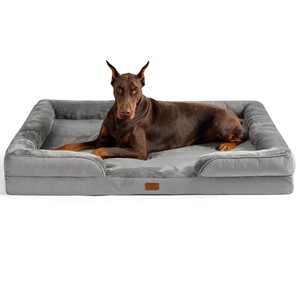
Bedsure Orthopedic XXL Bolster Dog Bed
Bolster beds are a practical choice for dogs that like to curl up or rest their heads against a raised edge. Their built-in sides create a cozy, enclosed feel while keeping the bed relatively compact.
For apartments, look for a bolster bed with a small footprint that fits neatly beside a sofa, in a bedroom corner, or against a wall. Models with removable, washable covers are especially useful in smaller homes because they are easier to keep clean.
Elevated/Cot-Style Beds
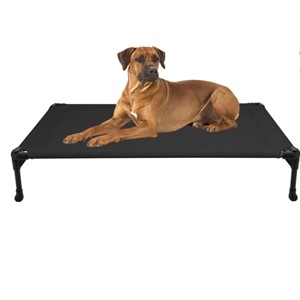
Veehoo Elevated Dog Bed
Elevated dog beds feature a raised sleeping surface supported by a frame, allowing air to circulate underneath. Because they have an open design and no bulky cushion surrounding the entire bed, they can make a small space feel less cluttered.
Cot-style beds are also easy to move and clean underneath, making them a convenient option for apartments. Choose a compact model that gives your dog enough room to stretch out without taking up unnecessary floor space.
Corner Beds
An unused corner can become the perfect sleeping spot for your dog. Corner beds are designed to fit against walls, helping you make use of floor space that might otherwise go unused.
These beds work particularly well in living rooms, bedrooms, or entryways where a traditional rectangular bed might interfere with foot traffic. Measure the corner before buying to ensure the bed leaves enough room for people to move comfortably around it.
Beds That Fit Under Furniture
If floor space is extremely limited, consider a low-profile dog bed that can slide underneath furniture when it is not being used. These beds can be placed beneath desks, benches, console tables, or other furniture with enough clearance.
This design is especially useful for small apartments because the bed can have a dedicated spot without permanently occupying valuable open floor space. Just make sure there is sufficient ventilation and that your dog can easily get in and out.
Foldable or Portable Beds
Foldable dog beds are ideal for apartment dwellers who want flexibility. They can be folded or collapsed when you need extra floor space and stored in a closet, under a bed, or behind furniture.
Portable beds are also convenient if you regularly travel with your dog or move between rooms. Look for lightweight designs with durable materials and a non-slip base for easier everyday use.
Apartment-Friendly Buying Tips
Choosing a dog bed for an apartment is about more than finding the smallest option. Your dog’s comfort, the available floor space, and the bed’s everyday practicality should all factor into your decision.
Keep these tips in mind when shopping for a dog bed for a small apartment:
- Measure before you buy: Measure the area where you plan to place the bed and leave enough surrounding space for easy movement.
- Choose the right size: Avoid downsizing too much just to save space. Your dog should be able to lie down, turn around, and stretch comfortably.
- Consider the bed’s shape: Corner, round, or rectangular beds can work better than bulky designs depending on your room’s layout.
- Look for washable materials: Removable, machine-washable covers make routine cleaning much easier, particularly in smaller homes where pet hair and odors can quickly become noticeable.
- Prioritize non-slip bases: A non-slip bottom can help keep the bed in place on hardwood, tile, or other smooth apartment flooring.
- Consider storage: If you occasionally need extra floor space, choose a foldable or lightweight bed that can be moved or stored easily.
- Check the height: Low-profile beds can fit beneath furniture, while elevated beds may be easier to clean around.
- Match the bed to your dog’s habits: A dog that likes to curl up may prefer a compact bolster bed, while a dog that stretches out may need a larger, flatter sleeping surface.
- Think about noise: Beds with lightweight frames or noisy materials may be less suitable for apartments, especially if your dog moves around frequently at night.
- Consider your building’s layout: If your apartment has limited storage, a portable or collapsible dog bed can be more practical than a large, rigid model.
The best space-saving dog bed should balance comfort, size, durability, and convenience. By measuring your available space and considering how your dog sleeps, you can find an apartment-friendly bed that keeps your pet comfortable without taking over your home.
Best Dog Beds for Small Apartments
When space is limited, your dog’s bed should be comfortable without taking over the room. The best dog beds for small apartments combine a small footprint, supportive cushioning, and practical designs that fit naturally into compact living spaces. Whether you live in a studio or a one-bedroom apartment, there are plenty of space-saving options to keep your pup cozy while preserving valuable floor space.
Small-Footprint Designs
Look for dog beds with compact dimensions, low-profile frames, or designs that tuck neatly into corners. Round and rectangular beds with raised edges can give dogs a dedicated sleeping area without requiring much floor space. Beds with removable covers are also useful in apartments because they make cleaning easier without adding bulky accessories.
For particularly tight spaces, consider a portable or foldable dog bed that can be stored when it isn’t being used. Elevated beds can also be a smart choice because they allow airflow underneath while keeping the sleeping surface off the floor.
Beds for Small Breeds
Small dogs don’t necessarily need a large bed, so choosing a size that matches your pet can help maximize your available space. Small dog beds designed for breeds such as Chihuahuas, Yorkies, Pomeranians, and Toy Poodles can provide enough room to stretch out or curl up without wasting valuable floor area.
When choosing a bed for a small breed, focus on more than size alone. A supportive cushion, washable cover, and non-slip base can make a compact bed more comfortable and practical for everyday apartment living.
Options That Work in Studios
In a studio apartment, every square foot matters. Corner dog beds, under-desk beds, window-side cushions, and low-profile mats can give your dog a comfortable place to sleep while blending into the rest of your living space.
Another useful option is a bed that can be moved easily from one area to another. A lightweight design lets you relocate your dog’s sleeping spot when you need more room for guests, cleaning, or everyday activities.
Dog Beds That Double as Furniture
If you want your dog’s bed to complement your décor, consider furniture-style dog beds that serve more than one purpose. An ottoman with a built-in pet cushion, a bench-style bed, or a dog crate designed to function as a side table can provide your pet with a dedicated sleeping space without making the apartment feel crowded.
These multifunctional designs are especially useful for renters and apartment dwellers who want to make the most of limited space. Instead of treating your dog’s bed as another piece of clutter, you can choose one that works naturally with your existing furniture and interior style.
Best Dog Beds for Large Dogs in Apartments
Large dogs need plenty of room to stretch out, but that doesn’t mean their bed has to dominate your apartment. The best dog beds for large dogs in apartments balance generous sleeping space with a practical footprint, making them comfortable for your pet while helping you make the most of limited floor space.
Large Beds With Relatively Compact Footprints
For apartment living, look for a large dog bed that gives your dog enough room to sleep comfortably without unnecessary bulk. Low-profile rectangular beds, corner-friendly designs, and beds with vertical bolsters can provide plenty of sleeping space while using floor space efficiently.
Before buying, measure the area where you plan to place the bed and compare it with the bed’s dimensions. A design that fits neatly against a wall or in a corner can make a surprisingly big difference in a smaller apartment.
Orthopedic Options

CertiPUR-US Certification Seal
Large and senior dogs can benefit from a supportive sleeping surface, particularly if they spend many hours resting. Orthopedic dog beds with thick, supportive foam can help provide cushioning and even weight distribution while giving your dog a comfortable place to relax.
Look for features such as high-density foam, a supportive base, and a washable, removable cover. Choosing a durable orthopedic bed that maintains its shape can also help you avoid replacing bulky bedding frequently.
Also, look for foam that has the CertiPUR-US certification. It means that the foam is not made with chemicals and toxic materials that can be harmful to dogs and humans.
Elevated Beds
Elevated dog beds can be another smart choice for apartments. Their raised design keeps your dog off the floor and allows air to circulate underneath the sleeping surface. This can be particularly useful in apartments where airflow and floor space are concerns.
Many elevated beds also have relatively slim frames, making them easier to position alongside furniture or in unused corners. For large dogs, choose a sturdy model with a weight capacity appropriate for your pet.
Durable Materials
Large dogs can put more wear and tear on a bed, so durability matters. Look for strong frames, tear-resistant fabrics, reinforced stitching, and sturdy, non-slip bases that can stand up to daily use.
A durable dog bed is especially practical in an apartment because replacing an oversized bed can be inconvenient. Washable covers are another valuable feature, helping you keep the sleeping area fresh without having to clean or replace the entire bed.
Best Easy-to-Clean Dog Beds
Keeping a dog bed clean is much easier when you choose a design made for everyday messes. From muddy paws to shedding and the occasional accident, the best easy-to-clean dog beds use washable materials and practical features that make routine cleaning simple. For apartment living especially, a low-maintenance dog bed can help keep your pet’s sleeping area fresh without adding extra work to your cleaning routine.
Machine-Washable Covers
A machine-washable dog bed cover is one of the most convenient features to look for. Instead of washing the entire bed, you can simply remove the cover and put it in the washing machine whenever it gets dirty.
Look for durable, zippered covers that can handle frequent washing without losing their shape. Having an extra cover on hand can also be useful, allowing your dog to continue using the bed while the other cover is being washed.
Waterproof Liners
For puppies, senior dogs, or pets prone to accidents, a waterproof dog bed liner provides an extra layer of protection. It helps prevent moisture from soaking into the foam or filling, where odors and stains can be difficult to remove.
A waterproof liner is particularly useful underneath a removable fabric cover. If an accident happens, you can clean the affected components rather than replacing the entire bed.
Removable Components
Dog beds with removable covers, cushions, bolsters, and liners are generally easier to maintain than one-piece designs. Being able to take apart the bed also makes it easier to clean hard-to-reach areas where fur, dirt, and debris can accumulate.
When shopping for an easy-clean dog bed, check how the components are removed and whether the manufacturer recommends machine washing or spot cleaning. Simple construction can make regular maintenance much less of a chore.
Accident-Resistant Designs
If accidents are a concern, choose a dog bed specifically designed to handle moisture. Water-resistant fabrics, waterproof inner liners, sealed seams, and quick-drying materials can help protect the bed and make cleanup faster.
For apartment dwellers, these features can be especially valuable because they reduce the chance of lingering odors and stains. Pair an accident-resistant bed with regular washing and vacuuming to create a cleaner, more comfortable sleeping space for your dog.
Easy-to-Clean Dog Bed Buying Checklist
Before buying an easy-to-clean dog bed, look for:
- ☐ Machine-washable cover — Makes routine cleaning quick and convenient.
- ☐ Waterproof liner — Helps protect foam and filling from accidents and moisture.
- ☐ Removable components — Choose beds with detachable covers, cushions, or bolsters.
- ☐ Durable, stain-resistant fabric — Helps the bed withstand everyday messes.
- ☐ Quick-drying materials — Useful when you need the bed ready again quickly.
- ☐ Non-slip bottom — Keeps the bed securely in place during everyday use.
- ☐ Easy-to-access zippers — Makes removing and replacing covers less frustrating.
- ☐ Proper size — Choose a bed large enough for your dog to stretch out comfortably.
Best Dog Beds for Dogs That Shed
If your dog sheds heavily, choosing the right bed can make keeping your home clean much easier. The best dog beds for shedding dogs use easy-care materials and practical designs that help prevent fur from becoming trapped in the fabric. Look for washable covers, smooth surfaces, and odor-resistant materials to make regular cleaning quick and manageable.
Removable and Washable Covers
A removable, machine-washable dog bed cover is one of the most useful features for dogs that shed. Fur can quickly build up on bedding, so being able to remove the cover and wash it regularly helps keep the sleeping area fresh.
Zippered covers are particularly convenient because they can be removed without having to wash the entire bed. If your dog sheds heavily, consider keeping a spare cover available so you can swap it while the other one is being cleaned.
Hair-Resistant Fabrics
Some fabrics are more likely to trap loose dog hair than others. Hair-resistant dog bed fabrics with tightly woven or smooth surfaces can make fur easier to remove with a vacuum, lint roller, or brush.
When comparing beds, avoid overly textured materials if your main concern is shedding. A smoother fabric can prevent loose hair from becoming deeply embedded and make everyday maintenance much simpler.
Smooth Surfaces That Are Easy to Vacuum
A dog bed with a smooth, low-texture surface can be especially helpful for heavy shedders. Loose fur is easier to spot and vacuum when it doesn’t get caught in deep fibers or shaggy fabric.
Look for beds with flat sleeping surfaces and minimal decorative detailing. Removable covers can also be vacuumed or shaken out before washing, helping reduce the amount of fur that ends up in your washing machine.
Odor Resistance
Shedding isn’t the only challenge. Dog hair can collect skin oils, dirt, and other debris that contribute to unpleasant odors over time. Odor-resistant dog beds made with breathable, easy-clean materials can help keep the sleeping area fresher between washes.
Regularly vacuuming the bed, washing the cover according to the manufacturer’s instructions, and allowing damp bedding to dry completely can also help control odors. For dogs that shed frequently, choosing a bed designed for easy maintenance can make a noticeable difference in your cleaning routine.
Best Dog Beds for Hardwood Floors and Other Hard Flooring
Hard flooring can be practical and easy to clean, but it isn’t always the most comfortable surface for dogs to sleep on. The best dog beds for hardwood floors and other hard flooring provide cushioning, insulation, and stability while helping reduce the noise that can come from a dog moving around. Choosing the right design can give your pet a more comfortable resting spot while protecting your floors from unnecessary scratches and movement.
Non-Slip Bottoms
A non-slip dog bed is especially useful on smooth surfaces such as hardwood, laminate, tile, and vinyl. Look for beds with rubberized, textured, or other grip-enhancing bottoms that help keep the bed securely in place when your dog gets in, gets out, or changes positions.
A stable bed can also reduce bunching and sliding, making it easier for your dog to settle down comfortably.
Insulation From Cold Floors
Hard floors can feel noticeably colder than carpet, particularly during colder months. A thickly padded dog bed creates a barrier between your pet and the floor, helping provide a warmer and more comfortable sleeping surface.
Raised beds can offer additional separation from the floor, while thick foam and insulated fillings can provide warmth without requiring a bulky design.
Cushioning
Good cushioning is important because hard floors provide little natural support. Look for a well-padded dog bed with enough cushioning to support your dog’s body without allowing them to sink directly onto the floor.
For larger or older dogs, supportive foam or orthopedic-style cushioning may be worth considering. For smaller dogs, a plush but supportive cushion can provide a comfortable place to curl up.
Noise Reduction When Dogs Move Around
Dogs can create more noise on hard floors, particularly when their bed slides or shifts as they move. A non-slip, cushioned dog bed can help absorb some of this movement and reduce scraping or sliding sounds.
For apartment dwellers, this can be especially helpful. A stable base and padded construction can keep the bed quieter when your dog gets up, turns around, or settles down for the night.
Best Dog Beds for Older Dogs
As dogs get older, a comfortable and supportive place to rest becomes increasingly important. The best dog beds for older dogs are designed with features that make resting easier while providing cushioning and support for aging bodies. Orthopedic foam, low-entry designs, and supportive surfaces can help create a comfortable sleeping space for senior dogs at home or in an apartment.
Orthopedic Foam
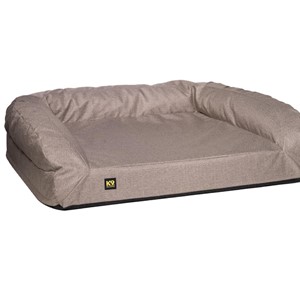
K9 Ballistics Orthopedic Bolster Sofa Style Bed
Orthopedic dog beds with supportive foam can provide a comfortable resting surface for older dogs. High-density or memory foam helps cushion the body while providing a stable surface that doesn’t flatten easily under your dog’s weight.
When choosing an orthopedic bed, consider the thickness and firmness of the foam as well as your dog’s size and sleeping habits. A supportive surface should provide cushioning without making it difficult for your dog to change positions.
Low-Entry Designs
A low-entry dog bed can make getting into and out of bed easier for senior dogs that have difficulty stepping over high edges. Look for beds with a low front opening or a step-in design that allows your dog to walk onto the sleeping surface rather than climb into it.
This feature can be particularly useful for older dogs with reduced mobility or stiffness.
Support for Joints
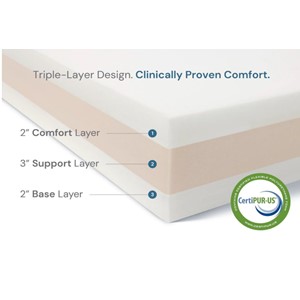
Big Barker Memory Foam Layers
A supportive dog bed can give your senior pet a comfortable place to rest between walks and daily activities. Thick cushioning and supportive foam can help distribute your dog’s weight across the sleeping surface rather than leaving pressure concentrated on hard flooring.
Raised edges can also provide a comfortable place for dogs that like to rest their heads, while a flat, supportive center gives them room to stretch out.
Easy for Senior Dogs to Get Into and Out Of
Accessibility is one of the most important considerations when choosing a bed for an older dog. Low-profile beds with wide, unobstructed entrances allow senior dogs to get comfortable without navigating tall sides or steep steps.
Place the bed somewhere your dog can reach easily, ideally on a stable surface that won’t slide when they stand up. Combining an accessible design with supportive cushioning can create a comfortable, senior-friendly sleeping area that your dog can use independently.
Best Dog Beds for Anxious Dogs
Some dogs feel more comfortable when they have a cozy, defined space where they can retreat and relax. The best dog beds for anxious dogs are designed to create a comfortable sense of security without sacrificing support or convenience. Bolstered sides, nest-style shapes, and enclosed designs can give nervous dogs a dedicated place to settle down at home.
Bolstered Sides
Bolstered dog beds feature raised edges around part or all of the sleeping surface, creating a cozy boundary that can help dogs feel more settled. They also give dogs a comfortable place to rest their head while sleeping.
For dogs that like to curl up against something, a bed with soft, supportive bolsters can provide a more enclosed feeling than a completely flat mattress.
Nest-Style Designs
Nest-style dog beds have a soft, rounded shape with raised edges that allow dogs to curl up in the center. The surrounding cushion creates a defined sleeping area that can feel cozy and inviting.
These beds can be especially appealing to dogs that naturally prefer curling into a ball or burrowing into blankets. Choose a size that provides enough room to stretch while still maintaining the snug, nest-like feel.
Enclosed and Cave Beds
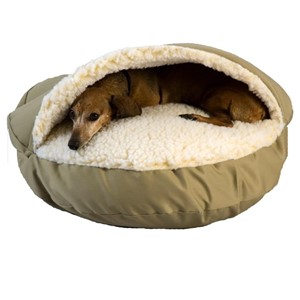
Snoozer Classic Poly-Cotton Cozy Cave Bed
For dogs that prefer more privacy, enclosed or cave-style dog beds provide a sheltered space where they can retreat. Covered designs can block some surrounding activity and give your dog a quiet area to relax.
Cave beds are particularly useful for dogs that enjoy burrowing under blankets or sleeping in covered spaces. Look for an opening that’s large enough for your dog to enter and exit comfortably, with adequate ventilation inside the sleeping area.
Materials That Provide a Sense of Security
The materials and construction of a dog bed can also influence how comfortable and inviting it feels. Soft fleece, plush fabrics, padded walls, and cushioned interiors can create a warm, cozy sleeping environment.
Choose materials that are comfortable but also practical for regular cleaning. A washable cover is especially useful because anxious dogs may spend a significant amount of time in their bed. Most importantly, give your dog the freedom to choose when to use the bed rather than forcing them into an enclosed space.
A cozy, predictable resting area can become a familiar retreat where your dog can relax when the household gets busy or they simply want some quiet time.
Choosing the Right Bed: Buying Guide
Finding the right dog bed is about more than picking a comfortable cushion. You also need to consider your dog’s size, sleeping habits, activity level, and the amount of space available in your home. This dog bed buying guide will help you choose a bed that keeps your pet comfortable while fitting naturally into your living space.
Measuring Your Available Space
Before shopping, measure the area where you plan to put the dog bed. Consider both the length and width of the available floor space, and leave enough room around the bed for your dog to comfortably get in and out.
If you’re furnishing a small apartment, pay particular attention to the bed’s overall footprint. A bed that looks compact online may take up more space than expected once it’s placed in your room.
Choosing the Right Bed Size
Your dog’s bed should be large enough for them to stretch out, turn around, and change positions comfortably. Measure your dog from nose to tail while they’re standing, then add several inches to determine an appropriate sleeping surface.
Avoid choosing a bed that’s excessively large if floor space is limited. The goal is to provide enough room for your dog without taking up unnecessary space.
Considering Your Dog’s Sleeping Position
Your dog’s favorite sleeping position can help determine which bed style works best. Dogs that curl up may enjoy a nest-style or bolster bed, while dogs that stretch out often need a wider, flatter mattress.
If your dog likes to lean against something or rest their head on an elevated surface, consider a bed with supportive bolsters. Watching how your dog sleeps can make choosing the right design much easier.
Matching Materials to Your Dog’s Habits
Think about your dog’s everyday habits before selecting materials. Heavy shedders may benefit from smooth, easy-to-clean fabrics, while dogs that enjoy nesting may prefer soft, plush materials.
If your dog is prone to accidents or spends time outdoors, look for washable covers and water-resistant liners. For dogs that chew or scratch, prioritize durable construction and fabrics designed to withstand regular use.
Balancing Comfort With Floor Space
The most comfortable dog bed isn’t necessarily the largest one. In smaller homes, finding the right balance between sleeping comfort and efficient use of floor space is key.
Look for beds that provide adequate cushioning without unnecessary bulk. Corner-friendly, low-profile, foldable, or multifunctional designs can help maximize your available space while still giving your dog a comfortable place to rest.
Ultimately, the right dog bed should suit both your dog’s needs and your home’s layout. By measuring carefully, considering your pet’s sleeping habits, and choosing practical materials, you can find a comfortable bed that fits seamlessly into your space.
Quick Dog Bed Size Checklist
Before buying a dog bed, use this quick checklist to make sure you choose the right size:
- ☐ Measure your dog: Measure from nose to tail while your dog is standing.
- ☐ Add extra room: Allow several additional inches so your dog can stretch, turn, and change positions comfortably.
- ☐ Consider sleeping style: Dogs that stretch out may need a larger, flatter bed, while curlers may prefer a cozy nest-style design.
- ☐ Measure your floor space: Check the bed’s dimensions against the area where you plan to place it.
- ☐ Check the entrance: For senior or less-mobile dogs, choose a bed that’s easy to step into and out of.
- ☐ Consider bolsters: Make sure raised sides don’t reduce the usable sleeping surface too much.
- ☐ Think about growth: If you’re buying for a puppy, choose a size that will accommodate their expected adult size.
- ☐ Prioritize comfort: Your dog should be able to lie down fully without hanging over the edges.
Quick tip: If you’re between two sizes, consider your dog’s sleeping position and available floor space. The goal is to choose a bed that’s spacious enough for comfortable sleep without taking up unnecessary room.
Where to Put a Dog Bed in an Apartment
Choosing the right dog bed is only part of creating a comfortable space for your pet. Where you put a dog bed in an apartment can affect how often your dog uses it and whether they feel comfortable and relaxed there. The ideal location should give your dog a quiet place to rest while still allowing them to stay connected to the household.
Quiet Corners
A quiet corner can make an excellent location for a dog bed. Look for a spot away from constant foot traffic, loud appliances, and frequently opened doors. A corner of the living room or another low-traffic area can give your dog a predictable place to relax.
Avoid completely isolating the bed, though. Many dogs prefer to rest where they can still see and hear their family.
Living Room vs. Bedroom
Whether you place your dog’s bed in the living room or bedroom depends largely on your dog’s routine and your available space. A living room bed lets your dog stay close while you watch TV, work, or spend time with family. A bedroom bed can provide a quieter sleeping area and may be convenient for dogs that like to sleep near their owners.
If space allows, you can use both locations for different purposes—one for daytime lounging and another for nighttime sleeping.
Keep the Bed Away From Drafts
Avoid placing a dog bed directly beside drafty windows, exterior doors, air-conditioning vents, or heating units. Temperature changes and constant airflow can make the sleeping area less comfortable.
Instead, choose a location with a relatively stable temperature and keep the bed away from direct heat sources. This is particularly important for older dogs and dogs with short coats.
Near the Family Without Blocking Walkways
Dogs often want to be close to their people, so placing the bed near the family without putting it in the middle of a walkway can be a good compromise. Try positioning it beside the sofa, underneath a desk, or in an unused corner of the living area.
Make sure doors, hallways, and frequently used paths remain clear. A strategically placed dog bed should give your pet a comfortable spot without becoming a tripping hazard or making your apartment feel cramped.
Multiple Beds in Different Areas
If you have enough space, multiple dog beds in different areas of the apartment can give your dog more choices throughout the day. For example, you might place one bed in the living room for daytime relaxation and another in the bedroom for nighttime.
Having more than one resting spot can also be useful if your dog likes to follow you from room to room. Choose appropriately sized beds that fit naturally into each area rather than filling the apartment with oversized furniture.
Ultimately, the best dog bed location is comfortable, accessible, and close enough to the household without being disruptive. A little planning can help you create a dedicated resting space your dog actually wants to use.
Apartment Dog Bed Placement Checklist
Before settling on a spot for your dog’s bed, check that:
- ☐ Quiet location: Choose a low-traffic area where your dog can rest without constant interruptions.
- ☐ Close to the family: Keep the bed near the main living areas so your dog can stay connected to the household.
- ☐ Away from drafts: Avoid placing the bed directly beside doors, windows, air vents, or heating units.
- ☐ Clear walkways: Make sure the bed doesn’t block hallways, doorways, or frequently used paths.
- ☐ Stable surface: Place the bed on a flat, secure surface that won’t slide easily.
- ☐ Comfortable temperature: Avoid areas that become excessively hot, cold, or exposed to direct sunlight.
- ☐ Easy access: Make sure your dog can get to the bed without navigating obstacles, especially if they’re older or have limited mobility.
- ☐ Easy to clean: Choose a location where you can easily vacuum around and clean underneath the bed.
- ☐ Multiple resting spots: If space permits, consider a daytime bed in the living area and a nighttime bed in the bedroom.
Quick tip: Your dog’s favorite spot may change over time. Pay attention to where they naturally choose to rest, then consider placing their bed nearby if the location is safe and practical.
How Big Should a Dog Bed Be?
Choosing the right size is one of the most important parts of finding a comfortable dog bed. How big should a dog bed be? The answer depends not only on your dog’s weight and breed but also on how they prefer to sleep. A bed that works for a dog who curls into a ball may be too small for a dog who likes to stretch out.
Dogs That Like Curling Up
If your dog naturally curls into a ball while sleeping, they may prefer a cozier, more enclosed bed. Nest-style beds and beds with raised bolsters can provide a comfortable boundary around your dog while making efficient use of floor space.
Even curlers need enough room to turn around and change positions, so avoid choosing a bed that’s too small simply because your dog sleeps curled up.
Dogs That Like Stretching Out
Dogs that sleep fully stretched out need more surface area. A longer, rectangular dog bed is often a good choice because it gives your dog enough room to extend their legs without hanging over the edges.
Measure your dog from nose to tail while they’re standing, then add several inches to allow for comfortable movement. If your dog regularly sprawls out, sizing up can be worthwhile.
Dogs That Sleep on Their Side
Side sleepers often need a bed that’s both long enough and wide enough to support their entire body. Look for a flat mattress-style bed or another design with plenty of uninterrupted sleeping space.
Your dog’s head and legs shouldn’t have to hang off the edges when they’re lying comfortably on their side. A supportive, generously sized surface can also make it easier for them to shift positions during sleep.
Dogs That Change Positions Frequently
Some dogs are constantly on the move—even while sleeping. If your dog frequently switches between curling up, stretching, rolling over, and sleeping on their side, choose a slightly larger bed with an open sleeping surface.
A rectangular or square mattress can give active sleepers more freedom than a tightly enclosed design. When in doubt, measure your dog’s longest sleeping position and allow extra room for movement.
Quick Sizing Tip
The best dog bed size should give your pet enough room to lie down fully, stretch, turn around, and change positions comfortably. Measure your dog and compare those measurements with the bed’s actual sleeping surface—not just its outside dimensions.
If your dog is between sizes, consider their sleeping habits and your available floor space. For dogs that stretch out or move frequently, choosing the larger size can provide valuable extra room without sacrificing comfort.
Simple Measuring Formula
To estimate the right dog bed size, use this easy formula:
Dog’s body length + 6–12 inches = Recommended bed length
Measure your dog from the tip of their nose to the base of their tail while they’re standing. Then add 6–12 inches to give them enough room to stretch, turn around, and change positions comfortably.
Example:
If your dog measures 30 inches from nose to tail, look for a bed with a sleeping surface of approximately 36–42 inches long.
Quick tip: If your dog frequently stretches out or changes sleeping positions, lean toward the larger end of the range. Always check the manufacturer’s sizing chart, since bed dimensions and usable sleeping areas can vary by design.
Frequently Asked Questions
Choosing a dog bed for an apartment involves more than finding a comfortable place for your pet to sleep. Size, materials, cleaning requirements, your dog’s sleeping habits, and the available floor space all matter. Here are answers to some of the most common questions about dog beds for apartments.
What Is the Best Dog Bed for a Small Apartment?
The best dog bed for a small apartment is one that provides enough room for your dog without taking up unnecessary floor space. Low-profile, compact, foldable, corner-friendly, and multifunctional dog beds can work particularly well in smaller homes.
Look for a comfortable bed with a washable cover and a non-slip base. If space is especially limited, consider a design that can fit underneath a desk, beside a sofa, or into an unused corner.
Are Elevated Dog Beds Good for Apartments?
Yes, elevated dog beds can be a practical choice for apartments. Their raised design keeps dogs off the floor and allows air to circulate underneath the sleeping surface. Many also have relatively slim profiles, which can make them easier to fit into compact spaces.
Choose a sturdy elevated bed with a weight capacity appropriate for your dog and a non-slip design if you’re placing it on hardwood, tile, or another smooth floor.
What Size Dog Bed Should I Get for an Apartment?
Choose a dog bed based primarily on your dog’s body size and sleeping position, rather than the size of your apartment. Your dog should have enough room to lie down fully, stretch, turn around, and change positions comfortably.
Measure your dog from nose to the base of the tail, then add roughly 6–12 inches to estimate the minimum bed length. Compare your measurements with the manufacturer’s actual sleeping-surface dimensions before purchasing.
Where Should I Put My Dog’s Bed in a Small Apartment?
Place your dog’s bed in a quiet but connected area where they can relax while still being near the household. A corner of the living room, a space beside the sofa, or an unused area near your desk can work well.
Keep the bed away from drafts, heating vents, busy walkways, and doors that open and close frequently. Make sure your dog can easily get in and out without obstacles.
Are Orthopedic Dog Beds Worth It?

CertiPUR-US Certification Seal
An orthopedic dog bed can be a useful option for older dogs, large breeds, or dogs that prefer extra cushioning and support. These beds typically use supportive foam or other materials designed to provide a more stable sleeping surface.
When choosing one, consider the foam quality, thickness, overall construction, and ease of cleaning. An orthopedic bed should also be appropriately sized so your dog can stretch out comfortably.
Also, look for the CertiPUR-US certified seal when purchasing an orthopedic foam bed.
What Dog Beds Are Easiest to Clean?
The easiest dog beds to clean typically have removable, machine-washable covers and waterproof liners. Smooth, tightly woven fabrics can also make loose fur and dirt easier to remove.
For puppies, heavy shedders, or dogs prone to accidents, look for washable covers, water-resistant materials, and removable components. A spare cover can make cleaning even more convenient.
How Many Dog Beds Does a Dog Need in an Apartment?
There isn’t a fixed number of beds every dog needs. One appropriately sized bed may be enough, particularly if your apartment is small and your dog has a favorite resting spot.
If space allows, having two beds can be convenient for example, one in the living room for daytime use and another in the bedroom for nighttime. Multiple beds can also give your dog comfortable resting options without requiring them to move a single bed around the apartment.
Can a Dog Bed Be Too Big for an Apartment?
Yes. A bed can be comfortable for your dog but unnecessarily large for the available space. Oversized beds can make smaller rooms feel crowded and may interfere with walkways or furniture.
The goal is to choose a bed that gives your dog adequate sleeping space without wasting floor space. Measure both your dog and the intended location before buying.
What Is the Best Dog Bed Material for Apartment Living?
The best material depends on your dog’s habits. Washable, durable, and easy-care fabrics are practical for most apartments. Smooth materials can be helpful for dogs that shed heavily, while plush fabrics may appeal to dogs that prefer a softer sleeping surface.
If accidents or moisture are a concern, consider a bed with a waterproof liner. For dogs that chew or scratch, prioritize durable construction and reinforced materials.
How Do I Keep a Dog Bed From Sliding on Hardwood Floors?
Choose a bed with a non-slip bottom or place a suitable non-slip mat underneath it. This can help prevent the bed from shifting when your dog gets in, gets out, or changes positions.
A stable bed is not only more convenient but can also help keep the sleeping area safer and reduce scratching or scraping against smooth flooring.
Can I Put a Dog Bed in a Corner?
Yes. A corner can be an excellent location for a dog bed, particularly in a small apartment. It uses otherwise underutilized floor space while creating a defined resting area for your dog.
Make sure the space is large enough for the bed and that your dog has a clear path to enter and exit. Avoid corners exposed to drafts or excessive heat.
How Do I Choose a Dog Bed for a Senior Dog in an Apartment?
For a senior dog, prioritize supportive cushioning, a low-entry design, and easy access. Orthopedic foam can provide a comfortable resting surface, while low sides or a step-in opening can make getting into and out of bed easier.
Place the bed on a stable, non-slip surface in an area that’s easy for your dog to reach without navigating stairs or obstacles.
Should I Choose a Dog Bed With Bolsters or a Flat Bed?
It depends on how your dog sleeps. Bolstered beds can be a good fit for dogs that like to curl up, lean against something, or rest their heads on an elevated edge. Flat beds generally provide more uninterrupted space for dogs that stretch out.
Observe your dog’s usual sleeping position before choosing a style. Their natural habits can be one of the best guides to finding a comfortable bed.
Final Apartment Dog Bed Tip
The right dog bed should work for both your dog and your living space. Before buying, consider your dog’s size, sleeping style, age, and habits alongside the bed’s dimensions, materials, cleaning requirements, and placement options. A thoughtful choice can give your dog a comfortable place to rest without making your apartment feel crowded.
Conclusion
Finding the best dog bed for an apartment is about striking the right balance between your dog’s comfort and your available space. A good bed should give your pet enough room to rest comfortably while fitting naturally into your home’s layout.
Consider your dog’s size, sleeping position, age, and habits when comparing options. A small, washable bed may be ideal for a compact apartment and a heavy shedder, while a large dog may need supportive orthopedic foam with a relatively compact footprint. Senior dogs can benefit from low-entry designs, while anxious dogs may prefer bolstered or enclosed beds that create a cozy retreat.
Don’t overlook practical features, either. Machine-washable covers, waterproof liners, non-slip bottoms, durable materials, and easy-to-clean surfaces can make everyday life much easier, especially in a smaller home.
Finally, think about where the bed will go before you buy it. A quiet corner near the family, away from drafts and busy walkways, can give your dog a comfortable place to relax without disrupting your living space.
With the right combination of size, comfort, durability, and space-saving design, you can create a dog-friendly apartment that works well for both you and your four-legged companion.
Shop Big Barker & K9 Ballistics Beds
As an Amazon Associate, I earn from qualifying purchases. Your purchase price is the same as if you shop directly on Amazon.
The price at time of publish is included below to give you an idea of what the price is; however, it is subject to change.
Note: When you order a bed from any of the brands below, you have the option of selecting the size and color.
Barker Beds
Note: If you are interested in adding the BarkerChill+ Cooling Layer ($39.95) or the BarkerChill+ CalmCool Layer ($49.95), you must order the Barker Bed on their official website (bigbarker.com) as Amazon does not offer these options when ordering the bed from them. On Barker Beds website you have the option to select which cooling layer you want when ordering the bed. Otherwise, you can purchase the Barker Bed without the cooling layer below.
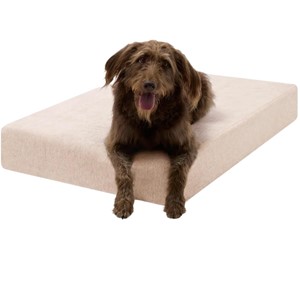
Barker Beds Orthopedic Rectangle Large Bed
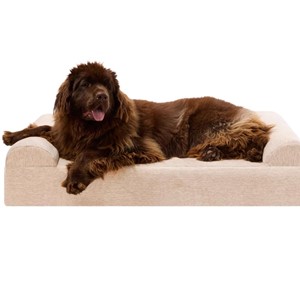
Barker Beds Orthopedic XL Sofa Bed
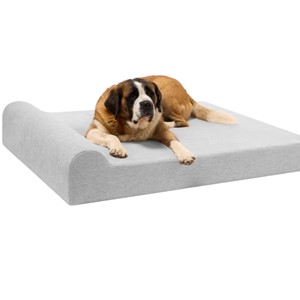
Barker Beds Orthopedic Bed Giant with Headrest
K9 Ballistics
All K9 Ballistics dog beds have choices to select the color and size before purchasing.
K9 Ballistics Tough Orthopedic Large Bolster Bed
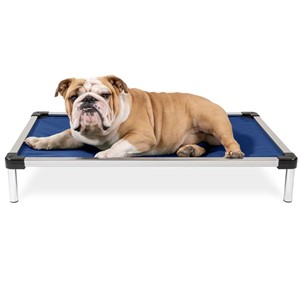
K9 Ballistics Chew Proof Elevated Bed
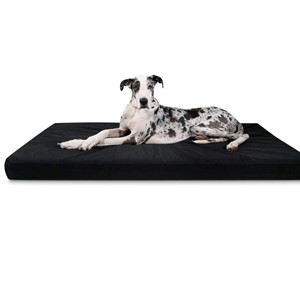
K9 Ballistics Ripstop Orthopedic Rectangle XXL Bed
-
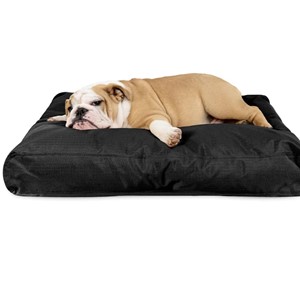
K9 Ballistics Orthopedic Tough Rectangle Pillow Bed

K9 Ballistics Orthopedic Crate Pad
-
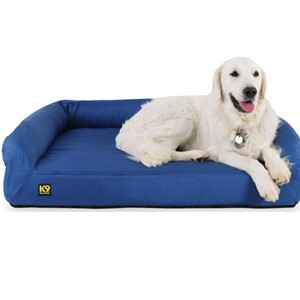
K9 Ballistics Orthopedic Ripstop Bolster Sofa Dog Bed
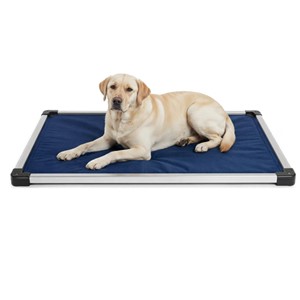
K9 Ballistics Chew Proof Armored Crate Dog Bed
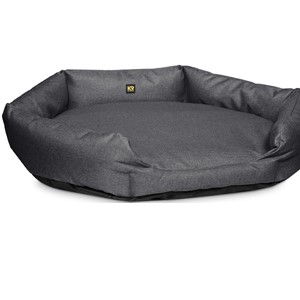
K9 Ballistics Tough Ripstop Oval Bolster Dog Bed
-
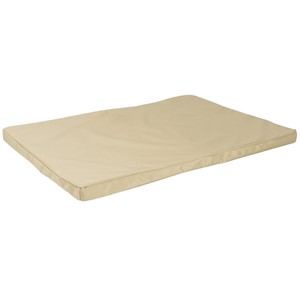
Carhartt Beds
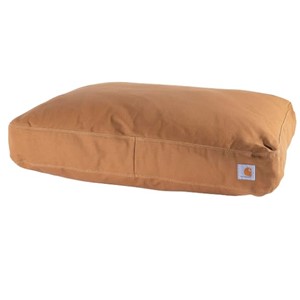
Carhartt Canvas Dog Bed
Orvis Dog Bed
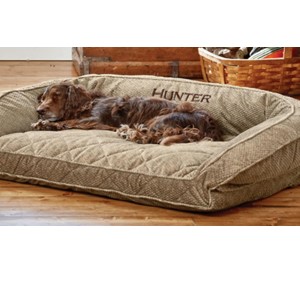
Orvis Comfort Fill Eco Sofa with Bolsters Dog Bed
FurHaven Dog Beds
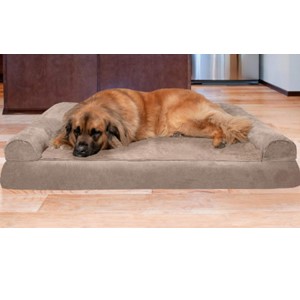
FurHaven Orthopedic Sofa with Removable Bolsters Dog Bed
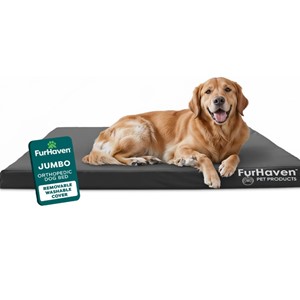
FurHaven Orthopedic Water-Resistant Rectangle Dog Bed
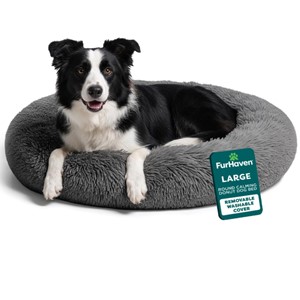
FurHaven Calming Donut Dog Bed
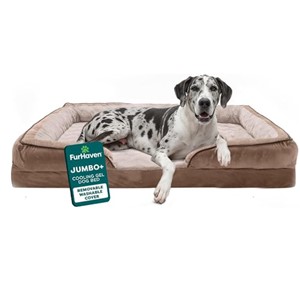
FurHaven Cooling Gel Orthopedic Sofa Dog Bed
Bedsure Dog Beds
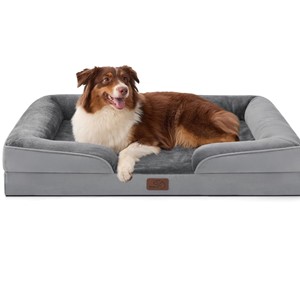
Bedsure Orthopedic Large Sofa Bed
-
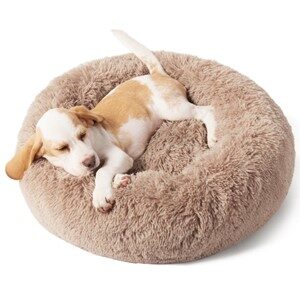
Bedsure Calming Donut Dog Bed Camel
-
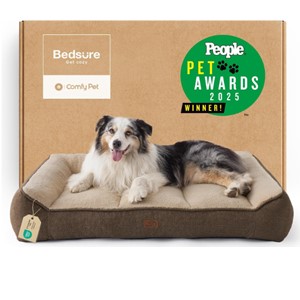
Bedsure SupportMax Extra Thick Orthopedic Dog Bed
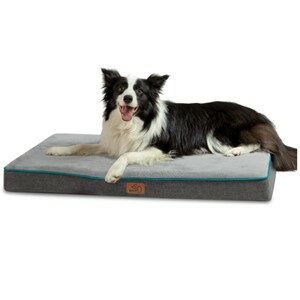
Bedsure Orthopedic Rectangular Dog Bed Medium Dogs
-