How Often Should You Replace your Dog’s Bed?
Introduction

Dog Destroying Their Bed
Your dog’s bed is more than just a cozy place to curl up it plays an important role in their daily comfort and quality of rest. But even the most comfortable dog bed eventually starts to wear out. So, how often should you replace your dog’s bed?
Many dog beds may need replacement within a year or two with regular use. There is no universal replacement schedule and there is no one-size-fits-all answer. Your dog’s size, sleeping habits, chewing or digging behavior, the quality of the bed, and how well it is maintained can all affect its lifespan.
Knowing when to replace a dog bed is just as important as knowing how often to wash it. Flattened padding, unpleasant odors, damaged fabric, stubborn stains, and a lack of support can all indicate that your dog’s bed has reached the end of its useful life.
In this guide, we’ll explore the typical dog bed replacement timeline, the warning signs to watch for, hygiene and health considerations, factors that influence how long a dog bed lasts, and simple tips to help extend its lifespan.
General Replacement Timeline
Many dog beds may need replacement within a year or two with regular use, but there is no universal replacement schedule. The bed’s condition, your dog’s habits, and the quality of its materials are better indicators of when it needs replacing.
A bed used by a large, active dog may wear out faster than one used by a small dog. Frequent digging, chewing, accidents, and daily use can also shorten its lifespan. On the other hand, a high-quality, durable dog bed that is well maintained may remain comfortable for longer.
Rather than relying solely on the calendar, pay attention to the bed’s condition. Flattened or lumpy padding, damaged fabric, unpleasant odors, persistent stains, and a lack of support are all signs that it may be time for a new dog bed. If your dog no longer seems comfortable or has started avoiding the bed, that’s another good reason to consider replacing it.
Ultimately, how often you replace a dog bed depends on both its condition and your dog’s needs. Regularly inspecting the bed can help you spot signs of wear before it becomes uncomfortable or unsanitary.
Signs It Is Time for a New Bed
Wondering when to replace your dog’s bed? The age of the bed is only one factor to consider. Even a relatively new bed may need replacing if it has become damaged, unsupportive, or difficult to keep clean.
Knowing the signs of an aging dog bed can help you replace it before your pet loses the comfort and support they need for quality rest.
Check out the signs below:
1. The Padding Is Flat or Lumpy
One of the clearest signs that your dog needs a new bed is worn-out padding. Over time, foam and other fillings can compress and lose their cushioning. If your dog is essentially sleeping on the floor because the bed has gone flat, it is probably time for a replacement.
This is particularly important for senior dogs and dogs with joint problems, which may benefit from a supportive bed that cushions pressure points.
2. The Bed Is Torn or Damaged
Small rips and loose seams may seem harmless, but they can quickly become larger. Exposed stuffing, broken zippers, or damaged materials can also create potential hazards for dogs that like to chew or pull at their bedding.
If the damage cannot be safely repaired, replacing the bed is usually the better choice.
3. It Has a Lingering Odor
Regular cleaning can keep a dog bed fresh, but older beds may eventually absorb odors, moisture, dirt, and other debris deep into the padding. If the bed still smells after cleaning, it may have reached the end of its useful lifespan.
A persistent odor is a good reason to consider buying a new dog bed.
4. Stains and Accidents Won’t Come Out
Dogs can have accidents, track in dirt, or simply spend a lot of time outdoors before climbing into bed. While a removable, washable cover makes cleaning easier, the interior can eventually become stained or contaminated.
If your dog’s bed is difficult to clean thoroughly, replacing it can provide a fresher and more hygienic sleeping environment.
5. Your Dog No Longer Wants to Sleep on It
Has your dog suddenly started sleeping on the floor, couch, or another bed? Their bedding could be the reason. A flattened cushion, uncomfortable material, excessive heat, or an awkward size can all make an old bed less appealing.
However, a sudden change in sleeping habits can sometimes indicate an underlying issue, so consider your dog’s overall behavior rather than assuming the bed is always responsible.
6. The Bed No Longer Fits Your Dog
Your dog’s needs can change throughout their life. Puppies grow quickly, while adult dogs may gain or lose weight as they age. If your dog can no longer stretch out comfortably or their body hangs over the edges, it may be time for a larger bed.
A properly sized bed should give your dog enough room to lie down, stretch, and change positions comfortably.
7. It Has Lost Its Shape or Support
If your dog’s once-plush bed now looks more like a flattened pancake, it may have lost the support your pet needs. This is especially worth watching as dogs get older, when comfortable sleeping surfaces can become increasingly important.
Orthopedic dog beds over time can flatten due to your dog’s weight or constant movement prior to lying down.
8. So, How Often Should You Buy a New Dog Bed?
There is no single replacement schedule that works for every dog. A dog bed can typically last around one to two years, but its lifespan depends on factors such as the bed’s quality, how often it is used, your dog’s size, chewing or digging habits, and how well it is maintained.
Instead of replacing your dog’s bed based solely on age, inspect it regularly. If it is no longer clean, emits odors, comfortable, supportive, or safe, it is likely time for a new one regardless of how long you have owned it.
Hygiene and Health Factors
Dogs with mobility, health or joint issues may benefit from a supportive bed, although your veterinarian can provide advice tailored to your dog’s specific needs.
Your dog’s bed may look clean on the surface, but it can collect much more than fur. Over time, bedding can accumulate dirt, dander, saliva, moisture, allergens, and bacteria especially when your dog spends a lot of time outdoors or regularly sleeps in the same spot.
That doesn’t mean you need to replace your dog’s bed at the first sign of a little dirt. Regular cleaning can significantly extend the life of a dog bed. However, hygiene is an important factor when deciding how often to replace a dog bed.
Wash Your Dog’s Bed Regularly
Washing your dog’s bedding regularly helps remove hair, dirt, odors, and other buildup. Ideally, choose a dog bed with a removable, machine-washable cover that makes routine cleaning simple.
How often you need to wash the bed depends on your dog and their habits. Dogs that shed heavily, spend lots of time outside, drool frequently, or have accidents may need their bedding cleaned more often.
Always follow the manufacturer’s washing instructions to avoid damaging the fabric or filling.
Watch for Moisture and Mold
Moisture can become a problem when it gets trapped inside a dog bed. Wet fur, accidents, spills, or a damp environment can leave the padding moist for extended periods.
If the interior of a bed remains damp or develops visible mold or mildew, cleaning the cover alone may not be enough. Replacing the dog bed can be the safest option, particularly if the contamination has reached the inner filling.
Consider Allergies and Sensitive Dogs
A well-used dog bed can collect allergens such as dust and dander. For dogs with sensitive skin or allergies, keeping their sleeping area clean may be especially important.
Look for beds with washable covers and materials that are easy to maintain. If a bed has become difficult to clean thoroughly or repeatedly seems to trigger irritation, it may be worth replacing it with a more suitable option.
Don’t Ignore Persistent Odors
A little “doggy smell” is normal, but a strong odor that remains after washing can be a sign that dirt, moisture, or other debris has become embedded in the bed.
If repeated cleaning doesn’t freshen the bed, it may be time for a new dog bed. A fresh, clean sleeping surface can make the area more pleasant for both you and your pet.
Keep Your Dog’s Sleeping Area Fresh
Good dog bed hygiene isn’t just about making the bed look nice. Regular cleaning and timely replacement can help create a clean, comfortable sleeping environment for your dog.
As a general rule, wash the bed and cover according to the manufacturer’s instructions, inspect the padding regularly, and replace the entire bed when it can no longer be cleaned properly or remains damp, damaged, or unpleasant-smelling.
Factors That Influence Lifespan
So, how long does a dog bed last? There isn’t one universal answer. Some beds stay comfortable for several years, while others show signs of wear much sooner. The lifespan of a dog bed depends on several factors, including your dog’s size, habits, the quality of the materials, and how often the bed is cleaned.
Understanding these factors can help you choose a durable dog bed and know when it is time for a replacement. We are going to explore them below:
Your Dog’s Size and Weight
A larger or heavier dog puts more pressure on a bed every time they lie down. Over time, this can cause cushions and foam to flatten faster than they would under a smaller dog.
If you have a large-breed dog, look for a bed made with high-quality, supportive materials designed to handle their weight without quickly losing its shape.
Chewing, Digging, and Nesting Habits
Some dogs are gentle sleepers, while others treat their beds like digging sites. Frequent scratching, digging, chewing, and nesting can put considerable stress on fabric, seams, zippers, and filling.
If your dog regularly chews or digs at their bed, choosing a durable dog bed with strong stitching and tough materials can help extend its lifespan.
Bed Quality and Materials
Not all dog beds are made to the same standard. Lower-quality materials may flatten, tear, or lose their support relatively quickly, while a well-made bed can remain comfortable for much longer.
When comparing beds, consider the quality of the foam, filling, fabric, stitching, and cover. A higher-quality bed may cost more initially but can offer better durability and value over time.
How Often the Bed Is Used
A dog that sleeps on their bed every night will naturally wear it out faster than a dog that only uses it occasionally. Constant pressure and movement can gradually compress the filling and weaken the materials.
If the bed is your dog’s primary sleeping spot, regular inspections can help you catch signs of wear before the bed becomes uncomfortable.
Cleaning and Maintenance
Proper care can make a noticeable difference in dog bed lifespan. Regularly washing removable covers, removing hair and debris, and following the manufacturer’s care instructions can help keep the bed in better condition.
However, excessive washing, high heat, or using cleaning products that aren’t suitable for the material can potentially cause damage. Always follow the care instructions provided with the bed.
Your Dog’s Age and Changing Needs
Your dog’s needs can change as they grow. A puppy may outgrow a bed before it shows significant wear, while an older dog may benefit from additional cushioning and orthopedic support.
For senior dogs, a bed that has become flat or unsupportive may need to be replaced even if the fabric still looks perfectly fine.
Where the Bed Is Used
The environment can also affect how long a dog bed lasts. A bed kept indoors in a dry, clean area may last longer than one regularly exposed to mud, moisture, outdoor debris, or frequent accidents.
Keeping the bed in a clean, dry location and using a washable cover can help protect it from unnecessary wear.
Ultimately, the lifespan of a dog bed comes down to how well it is made, how heavily it is used, and how well it is maintained. Instead of focusing only on a specific number of years, inspect your dog’s bed regularly and replace it when it no longer provides the cleanliness, comfort, and support your dog needs.
Tips to Extend Bed Life
A quality dog bed can be a worthwhile investment, so it makes sense to keep it in good condition for as long as possible. Fortunately, a few simple maintenance habits can help extend your dog bed’s lifespan, keep it comfortable, and delay the need for a replacement.
Wash the Cover Regularly
One of the easiest ways to care for a dog bed is to wash the cover regularly. Removing dirt, hair, odors, and other buildup helps keep the sleeping area fresh and clean.
Whenever possible, choose a bed with a removable, machine-washable cover. Follow the manufacturer’s care instructions to prevent shrinking, fading, or damage to the fabric.
Vacuum Away Hair and Debris
Between washes, regularly vacuum the bed to remove loose fur, dirt, dust, and crumbs. This is especially helpful for dogs that shed heavily or spend a lot of time outdoors.
Regular cleaning not only keeps the bed looking better but can also reduce the buildup of debris inside the fabric and filling.
Keep the Bed Dry
Moisture can shorten the lifespan of a dog bed and contribute to unpleasant odors or mold growth. If your dog comes inside wet after rain or a bath, dry them thoroughly before they settle into bed.
Place the bed in a dry, well-ventilated area and allow it to dry completely after cleaning.
Protect the Bed from Chewing and Digging
If your dog likes to chew, scratch, or dig before settling down, choose a bed made with durable materials and strong stitching. You can also redirect destructive chewing behavior toward appropriate toys.
Reducing excessive chewing and digging can help prevent torn covers, exposed filling, and damaged seams.
Rotate or Fluff the Cushion
If your dog’s bed has a removable or reversible cushion, rotate or flip it regularly when the design allows. This can help distribute wear more evenly and prevent one area from becoming permanently compressed.
For beds with loose filling, fluffing the cushion periodically can also help maintain its shape and comfort.
Use a Waterproof Liner
A waterproof liner underneath the cover can provide an extra layer of protection against spills, drool, and accidents. This is particularly useful for puppies, senior dogs, or dogs prone to accidents.
Keeping moisture away from the inner padding can help extend the life of your dog’s bed and make cleanup easier.
Choose the Right Size
A properly sized bed can also last longer. If your dog is constantly hanging over the edge or struggling to get comfortable, the bed may be too small. Providing enough space for your dog to stretch out and change positions can reduce unnecessary stress on the bed.
Inspect the Bed Regularly
Even with good maintenance, every dog bed eventually wears out. Check the seams, fabric, padding, and filling regularly for signs of damage.
If the bed becomes flat, lumpy, torn, heavily stained, or difficult to clean, don’t try to extend its life indefinitely. Knowing when to replace a dog bed is just as important as knowing how to maintain one.
With regular cleaning, proper care, and a little attention to wear and tear, you can help your dog’s bed stay clean, comfortable, supportive, and usable for longer.
Dog Bed Replacement Checklist
Consider replacing your dog’s bed if you notice:
☐ Flattened or lumpy padding
☐ Sagging or permanent loss of shape
☐ Torn fabric or loose seams
☐ Exposed foam or stuffing
☐ Persistent odors after washing
☐ Stubborn stains or contamination
☐ Mold or mildew
☐ Your dog consistently avoids the bed
☐ Bed is too small for your dog
☐ Bed no longer provides adequate support
Knowing the common wear indicators on a dog bed can help you determine when it is time for a replacement. Some signs are easy to spot, while others develop gradually as the bed loses its comfort and support.
Regular inspections can help you catch problems early and ensure your dog always has a clean, comfortable place to rest.
Conclusion
So, how often should you replace your dog’s bed? While many dog beds last around one to two years, the right replacement schedule ultimately depends on the bed’s condition and your dog’s individual needs.
Rather than relying solely on age, look for practical wear indicators. A flattened cushion, persistent odor, torn fabric, stubborn stains, moisture damage, or a bed that no longer provides adequate support are all signs that it may be time for a new one. Your dog’s changing size, age, and sleeping habits should also be taken into consideration.
Regular cleaning and proper maintenance can help extend the life of a dog bed, but no bed lasts forever. By inspecting your dog’s bed regularly and replacing it when it becomes worn, unsanitary, or uncomfortable, you can ensure your pet always has a clean, supportive, and comfortable place to rest.
Don’t replace a dog bed simply because it reaches a certain age; replace it when it no longer provides a clean, comfortable, supportive, and safe place to sleep.
After all, a good night’s sleep isn’t just important for people your dog deserves a comfortable bed, too.
Shop Dog Beds
As an Amazon Associate, I earn from qualifying purchases. Your purchase price is the same as if you shop directly on Amazon.
The price at time of publish is included below to give you an idea of what the price is; however, it is subject to change.
Barker Beds
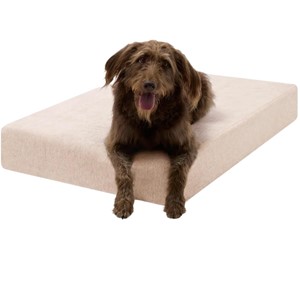
Barker Beds Orthopedic Rectangle Large Bed

Barker Beds Orthopedic XL Sofa Bed
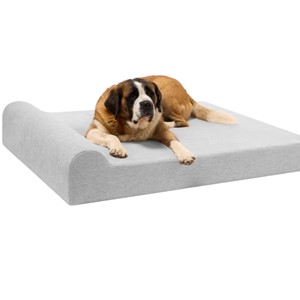
Barker Beds Orthopedic Bed Giant with Headrest
Bedsure
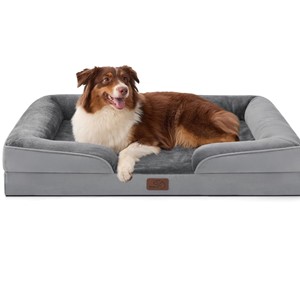
Bedsure Orthopedic Large Sofa Bed
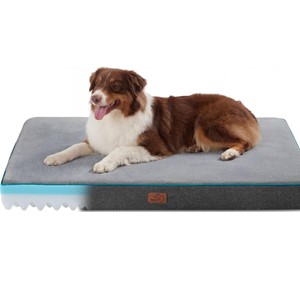
Bedsure Orthopedic Large Rectangle Bed
VEEHOO
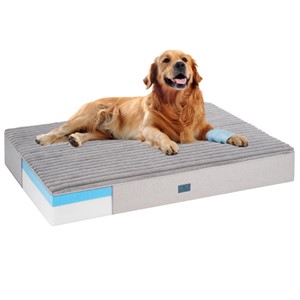
VEEHOO Orthopedic Extra Large Rectangle Bed
Best Friends by Sheri
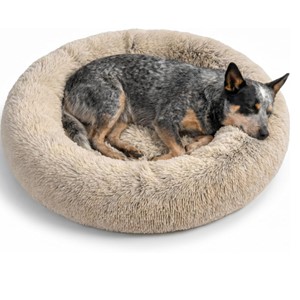
Best Friends by Sheri Medium Calming Dog Bed
K9 Ballistics
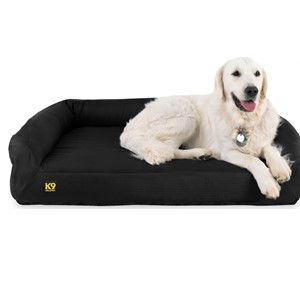
K9 Ballistics Tough Orthopedic Large Bolster Bed
Miorun Store
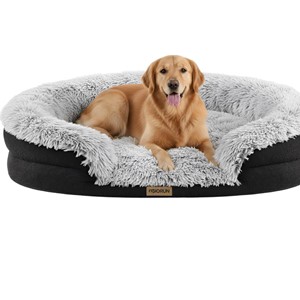
Miorun Orthopedic Large Bolster Sofa Bed