Why Cheap Dog Beds Fail Quickly
Introduction
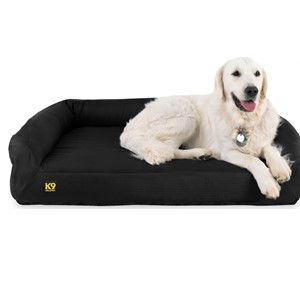
K9 Ballistics Tough Orthopedic Large Bolster Bed
Buying a cheap dog bed can seem like a smart way to save money. After all, if your dog has a comfortable place to sleep, why spend more? Unfortunately, the lowest-priced pet beds often come with a hidden cost: they may wear out, lose their shape, or become uncomfortable much sooner than expected.
From flimsy fabrics and weak stitching to low-quality filling that quickly flattens, several factors can cause a cheap dog bed to fail. Dogs that dig, scratch, chew, or frequently move around in their beds can put even more stress on these weak points.
That doesn’t mean you need to buy the most expensive dog bed available. The key is understanding what makes a dog bed durable and which features are worth paying for. In this article, we’ll explore why cheap dog beds fail quickly, the common signs of poor construction, and what to look for when choosing a bed that can provide your dog with lasting comfort and support.
What Makes a Dog Bed “Cheap”?
When shopping for a dog bed, a low price can certainly be tempting. But what makes one dog bed cheap while another offers better value? In many cases, it comes down to the materials, construction, and overall quality hidden beneath the price tag.
A cheap dog bed isn’t necessarily a bad bed. However, lower-priced options often cut costs in areas that directly affect durability and comfort. Understanding these differences can help you avoid buying a bed that looks like a bargain today but needs replacing a few months later.
Low-Quality Fabrics
The outer fabric is one of the first places manufacturers may reduce costs. Cheaper pet beds often use thin or less durable materials that can be more vulnerable to tearing, fraying, pilling, or general wear.
This can become especially noticeable if your dog likes to dig, scratch, or circle before settling down. Even normal daily use can gradually wear down a lightweight fabric, particularly when the bed is washed frequently.
A more durable dog bed typically uses sturdy, pet-friendly materials designed to withstand repeated use while still being comfortable for your dog.
Thin or Insufficient Filling
A pet bed can look plush and comfortable when it’s brand new, but the quality of the filling matters just as much as its appearance. Cheap beds may use less filling or lower-quality materials that compress quickly under your dog’s weight.
Over time, the bed can become flat, lumpy, or uneven instead of providing the cushioning and support your dog needs. For larger or heavier dogs, this loss of support can happen even faster.
Quality filling is therefore an important part of a durable pet bed. A well-constructed bed should maintain its shape and provide consistent cushioning rather than becoming noticeably flatter after regular use.
Weak Stitching and Construction
Even good materials won’t help much if a dog bed isn’t put together properly. Weak stitching, poorly reinforced seams, flimsy zippers, and other construction shortcuts can create obvious failure points.
Dogs naturally move around, scratch, dig, and stretch in their beds, placing repeated stress on these areas. Once a seam starts to loosen or a zipper breaks, the bed can quickly go from usable to unusable.
When comparing dog beds, look for reinforced stitching, strong seams, quality zippers, and construction that appears capable of handling everyday wear and tear.
Low Price Doesn’t Always Mean Poor Quality
It’s important to remember that cheap doesn’t automatically mean bad, and expensive doesn’t automatically mean durable. Some affordable dog beds can offer excellent value, while some premium-priced beds may charge more for branding, appearance, or additional features rather than superior construction.
Instead of judging a dog bed solely by its price, consider what you’re getting for that price. Look at the fabric, filling, stitching, washability, and overall construction. A moderately priced bed made with durable materials may provide much better value than a very cheap bed that needs to be replaced repeatedly.
Ultimately, the goal isn’t simply to find the cheapest bed. It’s to find a dog bed that balances price, comfort, quality, and durability so your dog gets a comfortable place to rest and you don’t have to keep buying replacements.
Cheap vs. Durable Dog Beds: What’s the Difference Comparison Table?
The biggest difference between a cheap dog bed and a durable one isn’t always obvious at first glance. Both may look comfortable when they’re new, but the quality of the materials and construction can make a major difference in how long the bed lasts. Here’s a quick comparison:
| Feature | Cheap Dog Bed | Durable Dog Bed |
| Materials | Often uses thin, lightweight, or lower-quality fabrics that can tear, fray, or wear down quickly. | Uses stronger, more durable fabrics designed to withstand everyday use, scratching, and movement. |
| Filling | May contain less filling or lower-quality materials that flatten, clump, or lose support quickly. | Uses higher-quality foam or filling that maintains its shape, cushioning, and support for longer. |
| Stitching | Basic or weak stitching may loosen or split, particularly around seams and corners. | Reinforced stitching and stronger seams help prevent tearing and extend the bed’s lifespan. |
| Washability | Covers may be difficult to remove or materials may shrink, fade, or deteriorate after repeated washing. | Typically features removable, machine-washable covers made to withstand frequent cleaning. |
| Zippers & Hardware | May use inexpensive zippers, fasteners, or other components that can break with regular use. | Uses stronger zippers and hardware designed to handle repeated opening, closing, and washing. |
| Comfort & Support | May feel comfortable initially but can become flat or uneven as the filling compresses. | Designed to provide more consistent cushioning and support over time. |
| Expected Durability | Often wears out sooner, especially with large, active, or destructive dogs. | Built to withstand regular use and generally provides a longer service life. |
| Maintenance | May require replacement sooner because damage or deterioration is difficult to repair. | Easier to maintain, clean, and sometimes repair or replace individual components. |
| Best For | Occasional use, temporary situations, or dogs that are gentle with their beds. | Everyday use, active dogs, larger dogs, and owners looking for a long-lasting option. |
| Long-Term Cost | Lower upfront price, but repeated replacements can make the total cost higher over time. | Higher initial investment, but longer lifespan can provide better value in the long run. |
The bottom line: A cheap pet bed isn’t automatically a poor choice, and an expensive bed isn’t automatically durable. The best value comes from looking at material quality, construction, support, washability, and expected lifespan rather than simply choosing the lowest or highest price.
Low-Quality Materials Wear Out Faster
One of the biggest reasons cheap dog beds fail quickly is the quality of the materials used to make them. A dog bed may look soft and comfortable when you first take it out of the package, but appearance doesn’t always tell you how well it will hold up to daily use.
Your dog may spend hours on their bed every day. Add in digging, scratching, nesting, jumping, shedding, and frequent washing, and the materials have to withstand a surprising amount of wear and tear. When a manufacturer uses inexpensive fabrics or lower-quality filling to keep costs down, those materials may deteriorate much faster.
Thin Fabrics Can Tear and Fray
The outer cover is exposed to the most abuse. Dogs that like to scratch or dig before settling down can put considerable stress on the fabric, particularly around seams and corners.
Low-quality or very thin fabrics may begin to fray, develop holes, or lose their texture after repeated use. Frequent washing can accelerate this process, especially if the cover isn’t designed to withstand regular cleaning.
A durable pet bed should use a fabric that’s tough enough for your dog’s habits while still providing a comfortable sleeping surface.
Cheap Filling Can Flatten Quickly
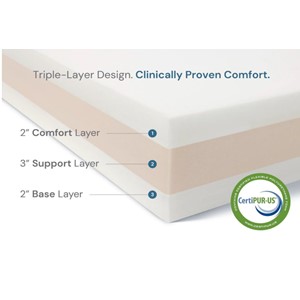
Big Barker Memory Foam Layers
The material inside the bed is just as important as the cover. Low-quality foam, polyester fiber, or other inexpensive filling can lose its loft and cushioning after being compressed repeatedly.
Once the filling becomes flat or lumpy, your dog may no longer receive the same level of comfort or support. This is particularly important for larger dogs, which place more pressure on a bed every time they lie down.
A quality dog bed should retain its shape and cushioning for much longer, helping it remain comfortable instead of becoming a flattened mat.
Cheap Materials May Not Handle Washing Well
Dog beds inevitably get dirty. Hair, dirt, muddy paws, drool, and everyday accidents can all make regular cleaning necessary. That’s why washability is an important feature when choosing a dog bed.
Lower-quality materials may shrink, lose their shape, fade, or deteriorate after repeated washing. Covers may also become difficult to put back on if they change size or shape.
A well-made dog bed should be designed with regular cleaning in mind, using durable materials and a removable cover that can withstand repeated washing.
Durability Starts With the Materials
When choosing a dog bed, don’t focus solely on how soft or attractive it looks on the shelf. Consider what it’s made from and whether those materials are suited to your dog’s size, habits, and activity level.
Spending a little more on quality pet bed materials can often mean better durability, fewer replacements, and more consistent comfort over time. In the long run, a bed that holds up to everyday use can offer considerably better value than one that needs replacing after only a short period.
Poor Foam and Filling Lose Their Support
A dog bed can look thick, soft, and comfortable when it is brand new—but what matters most is how well the filling continues to support your dog after weeks and months of use. Cheap dog beds often rely on low-quality foam, thin padding, polyester fiberfill, or loosely packed shredded materials. These fillings may feel plush at first, but they can quickly lose their shape under repeated pressure.
Flattening and Compression
Every time your dog lies down, their weight puts pressure on the same areas of the bed, particularly around the hips, shoulders, and elbows. Low-quality foam and lightweight filling can gradually compress under this repeated load. Instead of returning to its original thickness, the material may develop compression set, meaning it permanently loses some of its height and resilience.
This is especially noticeable with thinner or low-density foam. A bed may still look perfectly fine from the outside while the cushioning underneath has become significantly thinner. Eventually, your dog may be getting little more than a thin layer of padding between their body and the floor.
The problem can be even more pronounced with larger or heavier dogs because their weight places greater pressure on a smaller area of the mattress. A thicker, appropriately supportive foam core is generally better equipped to maintain its shape over time.
Uneven Filling and Permanent Dents
Cheap dog beds can also fail because their filling moves around instead of providing a stable, even sleeping surface. Polyester fiberfill, for example, can flatten, bunch, or migrate toward the edges. Shredded foam can shift and clump, leaving less material beneath the areas where your dog needs the most support.
Over time, this can create the familiar permanent dog-bed dent a deep hollow where your pet normally sleeps. While a temporary impression is not necessarily a problem, an indentation that remains after the bed has been unused for several hours is a sign that the filling has lost its ability to recover properly.
Once the filling becomes uneven, your dog may no longer be lying on a level, consistently cushioned surface. That can make the bed feel lumpy or unstable and may encourage your dog to constantly reposition themselves to find a more comfortable spot.
Why Inadequate Support Makes a Dog Bed Uncomfortable
Softness and support are not the same thing. A bed can feel wonderfully fluffy when you first press it with your hand but provide very little support once your dog’s full weight is on it.
A supportive dog bed should cushion pressure points while preventing the body from sinking excessively. If the filling collapses too easily, heavier areas of your dog’s body can sink much farther than lighter areas. In severe cases, the bed can “bottom out,” leaving little cushioning between your dog and the hard floor.
This can be particularly uncomfortable for senior dogs, larger breeds, and dogs that spend many hours sleeping, because they benefit from a stable surface that distributes body weight rather than allowing them to sink into a permanently compressed spot. Quality memory foam and sufficiently thick support foam can provide more consistent support than thin padding or loose fiberfill.
The Hidden Cost of Cheap Filling
The low purchase price of a cheap dog bed can be misleading. If the filling loses its support quickly, you may need to replace the entire bed repeatedly. A more durable dog bed with a properly constructed foam core can cost more initially but may offer better long-term value because the support lasts longer.
When comparing dog beds, don’t judge quality by thickness or softness alone. Look for information about the type and quality of the foam, its density when provided, the thickness of the support layer, and how the filling is contained. The word “orthopedic” by itself is not enough to tell you what is actually inside the bed.
Key Takeaway: A dog bed is only as supportive as the materials inside it. If cheap foam flattens or loose filling shifts into lumps and dents, the bed can quickly go from cozy to uncomfortable. Choosing a well-constructed bed with substantial, supportive filling can help your dog stay comfortable while also reducing the need for frequent replacements.
Weak Seams, Zippers, and Construction
Even when the foam inside a dog bed is reasonably comfortable, poor construction can cause the entire bed to fail prematurely. Weak seams, lightweight stitching, exposed zippers, and poorly reinforced corners are common failure points, especially when a bed is used every day. Quality construction matters because dogs do not simply lie down on their beds—they scratch, circle, dig, nest, stretch, and sometimes chew them.
Common Points of Failure
The weakest part of a dog bed is often not the middle of the mattress but the areas where different pieces of material are joined together. Corners, piping, edges, handles, zipper openings, and seams can experience considerable stress as your dog climbs on and off the bed or moves around while settling in.
Cheap dog beds may use thin fabric, minimal stitching, or poorly reinforced corners to keep manufacturing costs down. These shortcuts can make a bed look perfectly acceptable when new, but repeated pulling and stretching can cause the stitching to loosen and the fabric to separate.
A durable dog bed should have strong, secure seams and reinforcement at high-stress areas rather than relying on a single line of lightweight stitching. Double stitching and reinforced stress points can help prevent a small tear from quickly turning into a much larger opening.
Loose Stitching and Broken Zippers
Loose threads may seem like a minor cosmetic issue, but they can be an early warning sign that a dog bed’s construction is beginning to fail. Once stitching starts to separate, your dog’s paws or teeth can catch the opening and make the damage worse.
Zippers are another common weak point. They are useful because they make removable dog bed covers easier to wash, but an exposed zipper can become an easy target for dogs that like to chew, paw, or pull at their bedding. A broken zipper can also allow the inner foam or filling to become exposed, turning a small hardware failure into a much bigger mess.
For better durability, look for dog beds with protected or concealed zippers, sturdy zipper construction, and closures positioned where they are difficult for your dog to reach. For persistent chewers, a bed without an exposed zipper may be a better choice.
How Digging and Nesting Behavior Exposes Weaknesses
Dogs naturally scratch, circle, and dig at their sleeping area before settling down. This behavior is often part of their normal nesting instinct rather than a sign that something is wrong.
The problem is that repeated digging puts significant stress on a dog bed’s outer fabric and seams. Your dog’s claws repeatedly rake across the same areas, while their paws can catch on loose threads, exposed edges, or weak stitching. Over time, these small points of wear can become tears or holes.
Nesting can create another problem. A dog that repeatedly bunches, pushes, or drags its bed puts additional strain on the corners and seams. A lightweight bed may shift across the floor or develop distorted areas instead of staying flat and supportive.
This is why durability should match your dog’s habits. A calm dog that simply sleeps on its bed may not need the same construction as an active dog that digs and rearranges its bedding every night.
Look Beyond the Fabric
When shopping for a durable dog bed, don’t judge quality by the outer fabric alone. A tough-looking material cannot compensate for weak stitching or a poorly designed zipper. Pay attention to how the entire bed is assembled.
Look for:
- Reinforced or double-stitched seams
- Strong construction around corners and edges
- Securely attached piping and handles
- Protected or concealed zippers
- Tightly woven, abrasion-resistant cover materials
- A removable cover that can withstand regular washing
- A design appropriate for your dog’s digging, nesting, or chewing habits
Regular inspection can also extend the life of a dog bed. Check the seams, zipper, corners, and cover periodically. Catching a loose thread or small tear early is much easier than dealing with a completely separated seam and exposed filling.
Cheap Construction Can Turn Into a Repeat Purchase
A low-cost dog bed may save money at checkout, but weak construction can make it a poor long-term value. If the zipper breaks, seams split, or the cover tears after relatively little use, replacing the entire bed can cost more than investing in a better-constructed option in the first place.
The goal isn’t necessarily to find a dog bed that is marketed as “indestructible.” Instead, look for durable construction that suits your individual dog’s behavior. A well-made bed with reinforced seams, protected closures, and appropriate fabric is more likely to withstand everyday use and remain comfortable for longer.
Why It Matters: A dog bed can have excellent foam and filling, but it will not last if the cover and construction cannot handle daily use. Strong seams, durable stitching, protected zippers, and materials suited to your dog’s habits can make the difference between a bed that lasts for years and one that starts falling apart within months.
Cheaper Beds Often Aren’t Designed for Washing
A dog bed may look clean when you first buy it, but over time it collects much more than visible dirt. Fur, dander, body oils, saliva, muddy paws, outdoor debris, and occasional accidents can all work their way into the fabric and filling. Regular cleaning is therefore an important part of keeping a dog bed fresh and comfortable.
The problem is that many inexpensive dog beds are not designed with frequent washing in mind. They may have non-removable covers, fragile fabrics, poorly secured filling, or materials that become misshapen after repeated exposure to water and heat. What initially seems like a bargain can become frustrating when the bed is difficult to clean or starts falling apart after a few wash cycles.
Removable vs. Non-Removable Covers
One of the most useful features to look for when buying a dog bed is a removable, machine-washable cover. Instead of putting the entire bulky bed into the washing machine, you can simply unzip the cover, wash it separately, and leave the foam or cushion insert intact. This makes routine cleaning considerably easier and can help reduce wear on the bed’s internal support materials.
Cheap dog beds often cut costs by using a one-piece design with a permanently attached cover. While this may simplify manufacturing, it can make cleaning much more difficult. A large, non-removable bed may be awkward to fit into a household washing machine, and some types of foam or filling should not be fully submerged or machine-dried.
A removable cover also gives you more flexibility. You can wash the part that gets dirty most often without repeatedly washing the entire bed. If your dog sheds heavily, you can even keep a spare cover on hand so the bed can be used while the other cover is in the laundry.
Shrinking, Warping, and Damaged Filling
Repeated washing can expose poorly made dog beds to another problem: loss of shape.
Low-quality covers may shrink when exposed to heat, making them difficult or even impossible to put back over the cushion. Other materials can warp, stretch, fade, or lose their original texture. That’s why it is important to follow the manufacturer’s care instructions rather than assuming every dog bed can be washed and dried in the same way.
The filling can be even more vulnerable. Fiberfill may clump or become uneven, while some foam inserts are not designed to withstand full soaking or high heat. Once the filling shifts or loses its shape, the bed may develop lumps, thin spots, or permanent depressions—reducing the support your dog gets from the bed.
Drying is just as important as washing. Thick dog beds can retain moisture deep inside the filling. Putting a damp bed back into use can contribute to musty odors and mold or mildew growth, so the bed should be completely dry before your dog sleeps on it again.
Why Frequent Washing Matters for Dog Beds
Dogs spend a significant amount of time on their beds, making them a natural collection point for hair, dirt, dander, body oils, odors, and other debris. Dogs that spend a lot of time outdoors, shed heavily, have allergies, or frequently get wet or muddy may require more frequent bedding care.
Regular washing isn’t simply about making the bed smell better. Keeping dog bedding clean can help reduce the buildup of dirt, allergens, and microorganisms. Veterinary and pet-care sources commonly recommend cleaning dog bedding regularly, with some recommending weekly or every-one-to-two-week washing depending on the dog’s habits and household circumstances.
This is where a well-designed dog bed has a major advantage. A durable dog bed should be built to accommodate cleaning, not merely survive the first few months of use. Removable covers, washable fabrics, protective liners, and clearly stated care instructions all make it easier to maintain the bed over its lifetime.
The Hidden Cost of a Difficult-to-Wash Dog Bed
A dog bed that cannot be cleaned easily may have a shorter practical lifespan, even if the fabric and filling initially appear durable. If washing repeatedly damages the cover, clumps the filling, weakens the seams, or leaves persistent odors, you may eventually replace the entire bed rather than continue fighting with it.
When comparing dog beds, don’t just ask “How comfortable is it?” Ask “How easy will this be to clean six months from now?”
Look for:
- A removable, machine-washable cover
- Durable fabric designed to withstand repeated washing
- A separate foam or cushion insert
- A protective or water-resistant liner where appropriate
- Secure zippers and reinforced seams
- Clear washing and drying instructions
- Materials that can handle your dog’s level of shedding, dirt, and everyday use
Following the manufacturer’s care instructions is essential because different foams, fabrics, and fillings have different cleaning requirements.
Easy Cleaning Can Help a Dog Bed Last Longer
Frequent washing doesn’t have to mean repeatedly subjecting the entire bed to harsh cleaning. Vacuuming loose hair and dirt between washes, spot-cleaning accidents promptly, and washing removable covers regularly can reduce the amount of wear placed on the bed. A washable blanket or spare cover can also provide an additional layer of protection for dogs that shed heavily or spend a lot of time outdoors.
The key point: A cheap dog bed isn’t a good value if it is difficult to clean or falls apart every time it goes through the wash. A quality dog bed should be designed for real-life use—including muddy paws, shedding, odors, accidents, and regular washing. Choosing a bed with a durable, removable, washable cover can make maintenance easier while helping the bed stay cleaner, more comfortable, and useful for longer.
How Your Dog’s Behavior Affects Bed Lifespan
Not every dog uses a bed in the same way. Some curl up quietly and sleep for hours, while others dig, scratch, circle, chew, and rearrange their bedding before finally settling down. These everyday behaviors can have a major impact on how long a dog bed lasts.
This is an important point when comparing dog beds because a product that works well for a calm, small dog may not hold up nearly as long under a large, active dog that treats its bed like a digging pit. Choosing a bed based on your dog’s size, habits, and activity level can help prevent premature wear and make your purchase a better long-term investment.
Digging and Scratching
Digging is one of the most common ways dogs wear out their beds. Many dogs instinctively scratch or paw at their sleeping surface before lying down. Some may only do it for a few seconds, while others repeatedly dig and circle until they create their preferred sleeping spot.
Unfortunately, those claws can put considerable stress on the bed’s cover. Repeated scratching can cause fraying, pulled threads, holes, and weakened seams, particularly when the cover is made from thin or loosely woven fabric.
If your dog is a dedicated bed-digger, look for a cover made from durable, tightly woven material with reinforced seams. A removable cover is another advantage because it can be replaced or repaired without necessarily replacing the entire bed.
Chewing

Dog Chewing Behavior
Chewing can shorten the lifespan of a dog bed dramatically. Some dogs chew their bedding because they are bored, teething, anxious, or simply enjoy the texture. Others may discover that loose threads, zipper pulls, or exposed corners make particularly tempting chew targets.
Once a dog creates a small hole, the damage can spread quickly. They may pull out the filling, tear the cover further, or damage the internal foam. This can turn a minor repair into a completely unusable bed.
For dogs that regularly chew their bedding, durability should be a priority rather than an afterthought. Look for sturdy construction, minimal exposed hardware, reinforced seams, and materials designed to withstand your dog’s chewing habits. However, no ordinary dog bed should be considered truly chew-proof, and persistent destructive chewing may require supervision and addressing the underlying behavior as well.
Heavy Nesting
Some dogs are enthusiastic nesters. They push, paw, drag, circle, and bunch their bed until everything feels exactly right. While this may look harmless, repeatedly moving and compressing the bed can put stress on its seams, corners, filling, and support layers.
Lightweight beds can be particularly vulnerable. A dog that constantly drags or bunches its bed may cause the filling to shift, resulting in lumps, thin spots, and permanent dents. The cover can also become stretched or distorted over time.
For heavy nesters, consider a dog bed with a sturdy outer cover, securely contained filling, and enough weight or structure to prevent it from constantly sliding around the floor.
Large or Active Dogs Put More Stress on Materials
Size and activity level also matter. A large dog naturally places more weight on a bed every time it lies down, gets up, or changes position. That repeated pressure can accelerate compression of low-quality foam and filling.
Active dogs can create additional stress by jumping onto the bed, shifting their weight quickly, or repeatedly climbing on and off. A bed that is perfectly adequate for a small, sedentary dog may flatten much sooner when used by a large or highly active dog.
This is why pet bed weight limits and dimensions matter. Don’t choose a bed based solely on whether your dog technically fits on it. The mattress should provide enough surface area for your dog to lie comfortably and enough structural support to handle its weight without quickly bottoming out.
Sleeping Style Matters Too
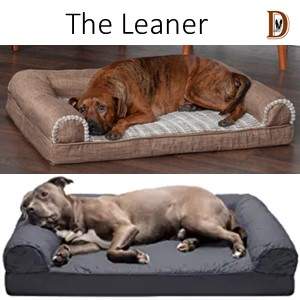
Dog Sleeping Style The Leaner
Your dog’s preferred sleeping position can affect wear patterns. A dog that always sleeps in the same spot may create a concentrated depression in the filling, while a dog that stretches out may put more pressure on the center of the mattress.
Dogs that frequently change positions may distribute wear more evenly, but they can also place more stress on the cover and seams as they move around.
In other words, there is no one-size-fits-all dog bed. The best choice depends not only on your dog’s breed or weight but also on how they actually use their bed.
Match the Dog Bed to Your Dog’s Habits
Before buying a dog bed, think about what your dog does when left alone with bedding. Do they:
- Dig or scratch before lying down?
- Chew fabric, zippers, or corners?
- Drag their bed around the room?
- Bunch up blankets and cushions?
- Sleep in the same spot every night?
- Jump onto the bed rather than climbing onto it?
- Spend many hours on the bed each day?
- Frequently come inside with wet or muddy paws?
These details can help you choose materials and construction that are better suited to your dog’s lifestyle.
For example, a quiet dog that mainly sleeps on its bed may prioritize cushioning and comfort, while a large dog that digs and nests every night may benefit more from durable fabric, reinforced seams, strong construction, and supportive filling.
Behavior Can Be the Difference Between Months and Years
Even a well-made dog bed has limits. A bed exposed to constant digging, chewing, nesting, and heavy use will naturally experience more wear than one used by a gentle sleeper. However, choosing materials and construction that match those demands can significantly reduce premature damage.
This is one reason the cheapest dog bed isn’t always the most economical choice. If a low-cost bed isn’t designed to handle your dog’s behavior, it may need to be replaced repeatedly. Spending more on appropriate construction upfront can provide better value over time.
The key takeaway: Your dog’s behavior plays a major role in dog bed lifespan. Digging, scratching, chewing, heavy nesting, and the repeated weight of a large or active dog can quickly expose weaknesses in cheap materials. Instead of choosing a dog bed based on appearance or price alone, choose one that is built around the way your dog actually sleeps, plays, and settles down.
The Hidden Cost of Replacing Cheap Dog Beds
The biggest problem with a cheap dog bed isn’t always the price you pay at checkout. It is what happens when that bed wears out sooner than expected.
A low-cost dog bed may seem like a smart way to save money, but if the foam flattens, seams split, filling becomes lumpy, or the cover falls apart after a short period of use, you may find yourself buying another bed sooner than planned. Over time, those repeated purchases can cost considerably more than investing in a durable dog bed from the beginning.
Buying Multiple Beds Over Time
Imagine buying a budget dog bed for $40 and replacing it every year. After three years, you have spent $120—and you still don’t have a bed that is designed to last.
Now compare that with purchasing a well-constructed $100 dog bed that remains supportive and usable for several years. The higher upfront price may actually represent better value if the bed lasts significantly longer.
Of course, price alone doesn’t guarantee durability. An expensive dog bed can also be poorly made. The important question is what you’re getting for the money: quality foam, durable fabric, strong seams, reliable construction, washable components, and a design suited to your dog’s size and behavior.
Replacement Costs vs. Investing in Durability
When comparing dog beds, it helps to think about cost per year rather than purchase price alone.
A $50 bed that needs to be replaced every 12 months costs more over time than a $100 bed that remains comfortable and functional for three years. The second bed has a higher initial cost but a lower annual replacement cost.
Durability can also affect your dog’s comfort. Replacing a worn-out bed repeatedly means your dog may spend weeks or months sleeping on flattened foam, uneven filling, or damaged cushioning before you replace it.
Look for features that can contribute to a longer-lasting dog bed, including:
- High-quality, supportive foam
- Durable, tightly woven cover materials
- Reinforced seams and stress points
- Protected or well-constructed zippers
- A removable, washable cover
- Filling that is designed to resist excessive flattening and shifting
- Construction appropriate for your dog’s weight and activity level
The goal isn’t simply to buy the most expensive dog bed available. It is to find the best combination of durability, comfort, cleanability, and price for your particular dog.
Waste and Convenience Considerations
Frequently replacing dog beds creates another hidden cost: waste. Every discarded bed means another cushion, cover, zipper, foam insert, or collection of synthetic materials potentially ending up in the trash.
Buying a more durable bed can reduce how often you need to dispose of the old one. Keeping the cover clean, repairing minor damage when practical, and replacing a cover or component instead of the entire bed can potentially extend its useful life even further.
There is also the convenience factor. Replacing a dog bed isn’t just about spending money. You have to shop for another one, compare sizes and materials, dispose of the old bed, and help your dog adjust to a new sleeping surface.
A durable, easy-to-clean dog bed can eliminate much of that hassle.
Consider the Total Cost of Ownership
The true cost of a dog bed includes more than its sticker price. Consider how often it needs to be replaced, how easy it is to clean, whether the cover can be washed separately, and whether individual components can be repaired or replaced.
A useful way to think about it is:
Total cost = purchase price + replacement costs + maintenance + inconvenience
A slightly more expensive dog bed may come out ahead if it lasts longer, stays supportive, and is easier to maintain.
This doesn’t mean every premium dog bed is automatically a better investment. Look beyond marketing claims and examine the actual materials, construction, warranty or repair options, care instructions, and suitability for your dog’s habits.
Buy for Your Dog, Not Just Your Budget
The most economical dog bed is not necessarily the one with the lowest price tag. It is the one that provides the durability and comfort your dog needs without requiring constant replacement.
A small, calm dog that spends most of the day sleeping may have very different requirements from a large, active dog that digs, nests, chews, and jumps onto its bed. Matching the bed to your dog’s size, sleeping habits, activity level, and behavior can help you avoid paying for repeated replacements.
Final Thoughts: A cheap dog bed can become expensive when you have to replace it again and again. Considering durability, construction, cleanability, and expected lifespan—not just the initial price—can help you choose a dog bed that offers better long-term value, less waste, and fewer replacement headaches.
What to Look for in a Durable Dog Bed
If you’ve ever replaced a dog bed after only a few months, you already know that the cheapest option isn’t always the best value. A durable dog bed should be designed to handle everyday use while continuing to provide adequate comfort and support.
The good news is that you don’t need to be an expert in pet products to spot the difference. Paying attention to the fabric, seams, filling, cover design, and overall construction can help you choose a dog bed that is more likely to stand up to your dog’s lifestyle.
Tough, Washable Fabrics
The outer cover is the first line of defense against dirt, claws, hair, and everyday wear. Look for a durable, tightly woven fabric that can withstand regular use without quickly developing frayed edges, holes, or thinning areas.
Washability is equally important. Dogs naturally bring dirt, hair, moisture, and odors onto their beds, so a cover that can be removed and machine washed is a major advantage.
Ideally, look for a dog bed with:
- A removable, machine-washable cover
- Durable fabric designed for regular use
- Strong stitching around openings and edges
- A cover that can be washed without easily shrinking or losing its shape
- A separate inner cushion or foam insert
A washable cover allows you to clean the part that gets dirty most often without repeatedly washing the entire bed.
Reinforced Seams
Even tough fabric won’t help much if the seams are weak. Seams and corners are common points of failure because they experience repeated pulling, stretching, and pressure as your dog climbs onto the bed, moves around, digs, or nests.
Look for reinforced seams, double stitching, and securely finished edges, particularly around corners, handles, zipper openings, and other high-stress areas.
If your dog is an enthusiastic digger or tends to drag their bed around the house, sturdy construction becomes even more important. A small weak point can quickly become a large tear once your dog discovers it.
High-Quality Foam or Filling
A durable dog bed also needs durable support. Low-quality foam can flatten quickly, while loose fiberfill may become compressed, uneven, or lumpy after repeated use.
When possible, look for a bed with a substantial, supportive foam core rather than relying solely on a thick layer of fluffy filling. High-quality foam should provide cushioning while resisting excessive compression, helping the bed maintain its shape over time.
For larger, heavier, or older dogs, adequate support is particularly important. A mattress that is too thin or soft may allow your dog’s body to sink through the cushioning rather than providing consistent support.
Don’t judge foam quality by thickness alone, either. A very thick layer of low-quality foam may perform worse over time than a thinner layer of appropriately supportive, higher-quality foam.
Replaceable or Removable Covers
A removable cover isn’t just a convenience feature it can contribute to the overall lifespan of a dog bed.
Instead of washing the entire bed every time it gets dirty, you can remove and clean the cover while keeping the foam insert protected. This makes routine maintenance easier and can reduce unnecessary wear on the internal materials.
Some dog beds also offer replacement covers or individual components. This can be a valuable feature because a damaged or heavily worn cover doesn’t necessarily mean the entire bed needs to be thrown away.
Before buying, check whether replacement covers are actually available and whether they can be purchased separately.
Construction That Matches Your Dog
There is no single “best dog bed” for every dog. The right choice depends heavily on how your dog uses their bed.
Consider your dog’s:
- Size and weight: Larger dogs generally place more pressure on the mattress and may need thicker, more supportive construction.
- Sleeping style: Dogs that stretch out may need a larger sleeping surface, while dogs that curl up may prefer a more enclosed design.
- Activity level: An active dog that jumps on and off the bed can put more stress on seams and cushioning.
- Digging and nesting habits: Frequent scratching and rearranging can quickly expose weaknesses in thin fabrics and poorly reinforced seams.
- Chewing behavior: Dogs that chew their bedding may need a simpler, more robust design with fewer exposed components.
- Shedding and cleanliness: Heavy shedders and dogs that spend considerable time outdoors can benefit from easily removable, washable covers.
Pay Attention to the Details
Small design choices can make a surprisingly big difference in dog bed durability. Look for features such as securely attached zippers, protected closures, non-slip bottoms, sturdy handles, and covers that fit properly around the cushion.
A well-designed bed should also maintain its shape after your dog gets on and off it repeatedly. If the sides collapse easily, the filling shifts around, or the cushion immediately bottoms out under your dog’s weight, it may not provide the long-term support you’re looking for.
Don’t Confuse Marketing Claims With Durability
Words such as “premium,” “orthopedic,” and “indestructible” can sound impressive, but they don’t necessarily tell you how well a dog bed is actually constructed.
Instead of relying on marketing language, look for specific information about the materials and construction. What type of foam is used? Is the cover removable? Can it be machine washed? Are the seams reinforced? Is the bed appropriately sized for your dog’s weight? Are replacement covers available?
The more specific the manufacturer is about these details, the easier it is to make an informed comparison.
Consider the Warranty and Replacement Parts
A manufacturer’s warranty can also provide useful information about how confident the company is in its product. While a warranty doesn’t guarantee that a bed will last for years, clear warranty terms can offer additional protection if a construction defect appears prematurely.
It’s also worth checking whether the manufacturer sells replacement covers, cushions, or other components. Being able to replace one worn part instead of the entire dog bed can extend its useful life and reduce waste.
The Best Durable Dog Bed Is the One That Fits Your Dog
Durability isn’t about finding a dog bed that can withstand absolutely everything. Every material has limits. The goal is to choose a bed whose construction matches the demands your dog will actually place on it.
A calm small dog may do perfectly well with a comfortable, lightweight design. A large dog that digs, nests, sheds heavily, and spends most of the day on its bed needs something considerably more robust.
The key point: When choosing a durable dog bed, look beyond the price and appearance. Focus on tough washable fabrics, reinforced seams, supportive foam or filling, removable covers, and construction that matches your dog’s size and habits. Choosing the right materials from the start can help your dog stay comfortable while reducing the likelihood that you’ll need to replace the bed prematurely.
Appropriate Construction for Your Dog’s Size and Habits
A durable dog bed isn’t necessarily the thickest, most expensive, or most heavily marketed option. The best bed is one that is properly constructed for your dog’s size, weight, sleeping style, and everyday habits.
A small dog that curls up quietly may put very little stress on a bed. A large dog that digs, nests, chews, jumps onto the mattress, and spends most of the day sleeping may test every seam and layer of filling.
That’s why choosing a dog bed based on your individual dog’s needs is often more important than simply choosing the cheapest or most expensive option.
Match the Bed to Your Dog’s Size and Weight
Size is one of the first things to consider when choosing a durable dog bed. Your dog should have enough room to lie down naturally without hanging over the edges, but the mattress also needs enough structural support to handle their weight.
A bed that is too small can force your dog into an uncomfortable position, while a thin or poorly supported bed may compress quickly underneath a larger dog.
For large and extra-large dogs, look for a substantial support layer and a sturdy frame or base that won’t collapse easily. The heavier the dog, the more important it is to consider the quality and density of the foam rather than simply looking at the overall thickness of the mattress.
Match the Construction to Your Dog’s Habits
Your dog’s behavior should also influence your choice.
If your dog digs and scratches, prioritize durable fabrics and reinforced seams. If they chew, avoid designs with easily accessible zipper pulls, loose threads, or other tempting components. If they are a heavy nester, choose a bed with securely contained filling and construction that can withstand repeated pushing and bunching.
For dogs that spend many hours on their beds, supportive foam and durable materials become even more important because the bed is subjected to repeated compression every day.
In other words, the right dog bed should be built around the way your dog actually uses it not simply the way it looks in a product photograph.
When a More Expensive Dog Bed Is Actually Worth It
A higher-priced dog bed isn’t automatically a better dog bed. However, there are times when spending more upfront can save you money, frustration, and replacement costs later.
The key is to look beyond the price tag and consider what you’re getting for your money. Better foam, stronger construction, durable fabrics, washable covers, and a design suited to your dog’s needs can make a more expensive dog bed a worthwhile investment.
Durability vs. Upfront Price
It’s tempting to choose the cheapest dog bed available, especially when two beds look similar in a product photo. But the initial purchase price doesn’t tell you how much the bed will actually cost over its lifetime.
For example, a $40 dog bed that needs to be replaced every year could cost $120 over three years. A $100 dog bed that remains supportive and usable for three years may ultimately provide better value.
That doesn’t mean you should automatically buy the most expensive option. Price and durability aren’t always directly connected. Instead, look at the materials and construction behind the price.
Ask:
- Is the foam supportive and designed to resist excessive compression?
- Is the cover made from durable, washable fabric?
- Are the seams reinforced?
- Is the zipper protected or securely constructed?
- Can the cover be removed and washed?
- Are replacement covers or components available?
- Is the bed designed to support your dog’s size and weight?
A higher price makes more sense when it reflects genuine improvements in quality rather than simply a premium brand name or unnecessary features.
Match the Bed to Your Dog’s Needs
The right dog bed depends heavily on the dog using it. A small dog that curls up quietly for a few hours each day may have very different requirements from a large dog that spends most of the day sleeping, digging, and nesting.
- Consider your dog’s size and weight. Larger dogs place more pressure on the mattress and may need thicker, more supportive construction to prevent premature flattening.
- Consider their sleeping habits. Dogs that stretch out need enough surface area to lie comfortably, while dogs that curl up may prefer a bed with raised edges or a more enclosed design.
- Consider their activity level. Active dogs that jump on and off their beds can place additional stress on the cover, seams, and internal cushioning.
- Consider their behavior. Dogs that dig, scratch, nest, or chew their bedding are likely to wear out lightweight materials faster than dogs that simply lie down and sleep.
In short, the best pet bed isn’t necessarily the most expensive one—it’s the one that is appropriately built for your dog.
Situations Where Spending More Makes Particular Sense
There are several situations where investing in a higher-quality dog bed can be especially worthwhile.
Large or Heavy Dogs
A large dog’s weight places more repeated pressure on the foam or filling. Cheap, low-quality cushioning may flatten quickly, leaving less support underneath the body.
For larger breeds, it can make sense to prioritize a substantial support layer, durable construction, and a mattress designed to handle greater weight.
Dogs That Spend Hours on Their Bed
If your dog sleeps for much of the day, their bed receives significantly more use than one belonging to a dog that only naps occasionally.
Frequent use means more compression, more friction, and more opportunities for seams and fabric to wear. Investing in better construction can therefore be particularly valuable for dogs that rely heavily on their beds.
Dogs That Dig, Scratch, or Nest
Some dogs turn bedtime into a construction project. They scratch, circle, push, bunch, and rearrange their bedding before settling down.
For these dogs, spending more on reinforced seams, durable fabrics, and securely contained filling may be worthwhile. A lightweight bed that isn’t designed for this kind of use can deteriorate quickly.
Dogs That Chew Their Bedding
Chewing can destroy a cheap dog bed surprisingly quickly. Once a dog creates a small hole, they may pull at the fabric, expose the filling, or damage the foam.
A sturdier design with fewer exposed components may provide better value for dogs that are prone to chewing. However, no standard dog bed should be assumed to be completely chew-proof.
Dogs That Need Consistent Support
For dogs that require a more supportive sleeping surface, the quality of the foam matters. A mattress that quickly develops permanent dents or collapses under the dog’s weight may become uncomfortable long before the cover itself looks worn out.
In these situations, paying more for better-quality, supportive foam can make sense because you’re investing in both durability and long-term comfort.
Dogs That Need Frequent Cleaning
If your dog sheds heavily, spends a lot of time outdoors, gets muddy, or is prone to accidents, a washable dog bed can save considerable time and hassle.
A higher-quality bed with a removable, machine-washable cover may be worth the additional cost if it makes regular cleaning easier and helps protect the underlying cushion.
Think About Long-Term Value
When deciding whether a more expensive dog bed is worth it, don’t ask only, “How much does it cost?”
Ask: “How long is it likely to remain comfortable, supportive, cleanable, and functional for my dog?”
A well-made bed that lasts several years may be a better investment than repeatedly buying inexpensive beds that lose their shape or fall apart after a few months.
At the same time, there is no reason to overspend on features your dog doesn’t need. The goal is to spend more where it makes a practical difference such as better support, stronger materials, easier cleaning, or construction suited to your dog’s behavior.
The real issue: A more expensive dog bed can be worth the investment when the additional cost provides better durability, support, construction, or convenience. Match the bed to your dog’s size, weight, activity level, and habits, and judge value by how well the bed performs over time not simply by its price at checkout.
How to Make a Dog Bed Last Longer
A quality pet bed should provide comfort and support for years, but even the best bed can wear out quickly without proper care. The good news is that a few simple habits can help extend its lifespan, keep it fresh, and prevent small problems from becoming expensive replacements.
Wash and Dry the Bed Properly
Regular washing removes dirt, hair, odors, and allergens that can gradually break down the fabric. Follow the manufacturer’s care instructions, and avoid harsh detergents or high heat unless the label specifically allows them. Make sure the bed is completely dry before your dog uses it again, especially around seams and inner filling, where trapped moisture can lead to mildew and unpleasant odors.
For beds with removable covers, washing the cover regularly is often easier and gentler than repeatedly washing the entire bed.
Prevent Chewing and Digging
Chewing is one of the fastest ways to destroy a dog bed. If your dog tends to chew, dig, or scratch before settling down, address the behavior rather than simply replacing the bed. Provide appropriate chew toys, or treats, give your dog plenty of exercise and mental stimulation, and redirect chewing when it starts.
Choosing a desirable pet bed designed for chewers can also help, but no bed is completely chew-proof. Supervise dogs that repeatedly damage their bedding, particularly if they swallow fabric or stuffing.
Rotate and Maintain the Bed
Dogs often sleep in the same position every night, which can cause certain areas of a bed to flatten or develop uneven wear. Rotate the bed or cushion regularly when its design allows it, and fluff or reshape the filling to help maintain its support.
Keep the bed in a dry, well-ventilated location and avoid placing it directly against rough surfaces that can cause unnecessary abrasion. Using a washable blanket or protective cover can also reduce everyday wear on the main bed.
Inspect for Damage Early
A small tear can quickly become a large hole once a dog starts scratching or chewing at it. Check the bed regularly for loose stitching, damaged zippers, exposed seams, flattened filling, or torn fabric. Repair minor damage soon as you notice it to prevent further deterioration.
If the filling is exposed, the bed has developed sharp or broken components, or your dog is pulling out and swallowing pieces, remove it from use until it can be safely repaired or replaced.
Choose the Right Bed for Your Dog
How long a dog bed lasts also depends on whether it matches your dog’s habits and size. A bed that is too small, poorly supported, or made from unsuitable materials may wear out faster because your dog cannot use it comfortably.
Consider your dog’s size, sleeping style, chewing habits, activity level, and washing needs when choosing a bed. Spending a little more on durable materials and quality construction can often be more economical than repeatedly replacing inexpensive beds.
With regular cleaning, proper maintenance, early repairs, and the right bed for your dog, you can significantly extend the life of your pets bedding while keeping it comfortable, clean, and safe.
Conclusion
A cheap dog bed may save money at checkout, but it isn’t always the most economical choice in the long run. Poor-quality materials, weak seams, inadequate filling, and difficult-to-clean designs can cause inexpensive beds to wear out quickly, leaving you to replace them again and again.
The better approach is to look beyond the price tag. A durable pet bed should be made with quality materials, sturdy construction, supportive filling, and a washable design that can handle your dog’s everyday habits. It’s also important to choose a bed based on your dog’s size, activity level, and sleeping or nesting behavior.
Ultimately, the best dog bed isn’t necessarily the most expensive one it’s the one that offers the right combination of comfort, durability, and value. Spending a little more on quality can mean fewer replacements, better long-term support, and a more comfortable place for your dog to rest.
Shop Dog Beds
Barker Beds
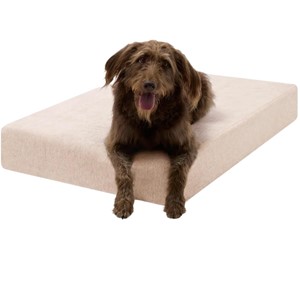
Barker Beds Orthopedic Rectangle Large Bed
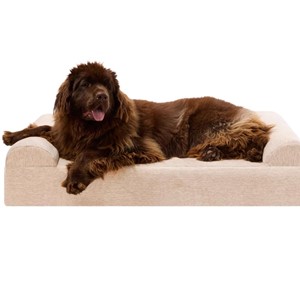
Barker Beds Orthopedic XL Sofa Bed
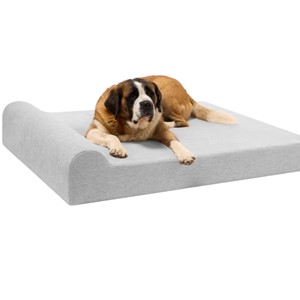
Barker Beds Orthopedic Bed Giant with Headrest
Bedsure
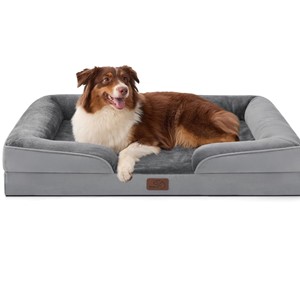
Bedsure Orthopedic Large Sofa Bed
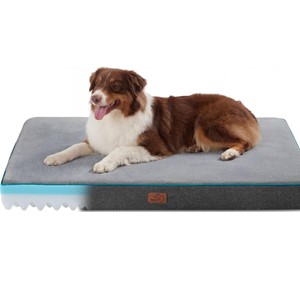
Bedsure Orthopedic Large Rectangle Bed
VEEHOO
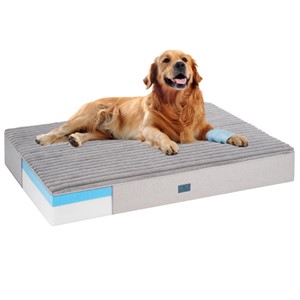
VEEHOO Orthopedic Extra Large Rectangle Bed
Best Friends by Sheri
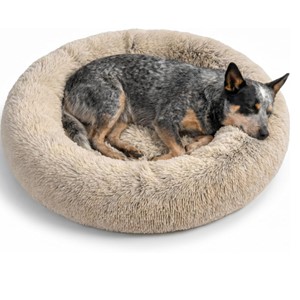
Best Friends by Sheri Medium Calming Dog Bed
K9 Ballistics
K9 Ballistics Tough Orthopedic Large Bolster Bed
Miorun Store
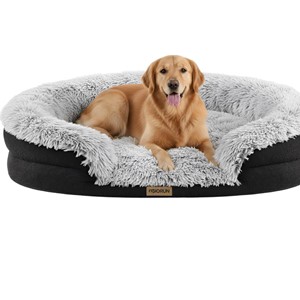
Miorun Orthopedic Large Bolster Sofa Bed