How to Choose the Best Orthopedic Dog Bed: The Complete Buying Guide
Everything You Need to Know Before Buying a Luxury Dog Bed!
IntroductionBed Buying ChecklistWhat Makes An Orthopedic BedBenefits of An Orthopedic BedAre Ortho Beds Worth It?Choosing The Right BedChoosing The Right TypeSizing Mistakes to AvoidMaterials UsedBest Materials UsedHow To Choose BedsCommon Buying MistakesDog Beg BrandsFrequently Asked QuestionsConclusionShop Orthopedic Beds
Introduction
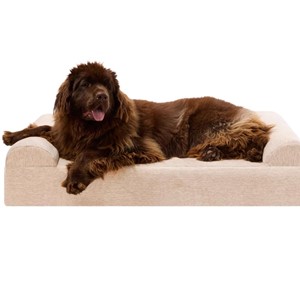
Barker Beds Orthopedic XL Sofa Bed
Your dog spends up to 16 hours a day sleeping or resting, making their bed one of the most important purchases you’ll ever make for their health and well-being. A high-quality orthopedic dog bed does far more than provide a soft place to sleep—it supports healthy joints, relieves pressure points, improves sleep quality, and gives your dog a safe, comfortable place to relax every day.
Whether you have an energetic puppy, an active adult dog, a large breed that needs extra support, or a senior companion living with arthritis or hip dysplasia, choosing the right orthopedic bed can make a noticeable difference in mobility, comfort, and overall quality of life. Beds made with high-density memory foam help distribute body weight evenly, reducing stress on joints while providing lasting support that traditional fiber-filled beds often can’t match.
Premium orthopedic dog beds go beyond basic cushioning by combining medical-grade support with durable construction and luxury materials. Many feature CertiPUR-US® memory foam, removable machine-washable covers, waterproof liners, non-slip bases, cooling fabrics, and reinforced stitching designed to withstand years of daily use. While these beds typically cost more than standard options, their superior durability and long-lasting support often make them a better value over time.
In this complete buying guide, you’ll learn exactly what to look for before purchasing an orthopedic dog bed. We’ll explain the different types of orthopedic foam, compare popular bed styles, discuss the features that truly matter, and help you choose the right size, thickness, and level of support based on your dog’s age, breed, sleeping habits, and health needs.
You’ll also discover how to avoid common buying mistakes, identify signs of a high-quality bed, properly clean and maintain your investment, and compare the features that separate exceptional orthopedic dog beds from ordinary ones. By the end of this guide, you’ll have the knowledge and confidence to choose a bed that provides lasting comfort, supports your dog’s long-term health, and delivers years of restful sleep.
Bed Buying Checklist
Before buying an orthopedic dog bed, take a minute to run through this checklist. A quality bed should meet all of these important criteria:
✔ Is it large enough for your dog to stretch out comfortably?
✔ Does it provide adequate orthopedic support for your dog’s age, weight, and health needs?
✔ Is it made with high-density or memory foam that won’t flatten over time?
✔ Does it have a removable, machine-washable cover for easy cleaning?
✔ Is there a waterproof liner to protect the foam from accidents and spills?
✔ Does the bed match your dog’s preferred sleeping position (curled up, stretched out, or leaning against a bolster)?
✔ Will the materials help regulate temperature throughout the year?
✔ Is the cover durable enough to withstand everyday use, scratching, and nesting?
✔ Does the bed have a non-slip bottom to keep it securely in place?
✔ Is it backed by a warranty or satisfaction guarantee?
If you answered “no” to any of these questions, it’s worth comparing other options before making your purchase. The best orthopedic dog bed should provide lasting joint support, durable construction, easy maintenance, and the right level of comfort for your dog’s unique needs.
What Makes a Luxury Orthopedic Dog Bed?
An orthopedic dog bed does far more than provide a soft place for your dog to sleep. Designed with supportive foams, durable materials, and thoughtful construction, these beds help improve sleep quality, relieve pressure on joints, and stand up to years of everyday use. Whether you have a growing puppy, an active adult dog, or a senior companion with arthritis, a quality orthopedic bed can make a noticeable difference in your dog’s comfort and overall well-being.
Better Sleep and Recovery
Dogs spend 12 to 16 hours each day sleeping or resting, making quality sleep essential for muscle recovery, immune function, brain health, and overall wellness. Orthopedic dog beds use memory foam or high-density foam to distribute body weight evenly, reducing pressure points and supporting natural spinal alignment. With fewer uncomfortable pressure spots, dogs can settle more easily and enjoy deeper, more restorative sleep.
Improved Joint Support
As dogs age—or if they belong to large or giant breeds—their joints experience greater wear and tear. Orthopedic beds cushion the hips, shoulders, elbows, and knees while helping maintain proper body alignment. This added support can reduce stiffness after resting and make it easier for dogs to stand, walk, and move comfortably.
Pressure Relief for Senior Dogs
One of the biggest advantages of an orthopedic dog bed is its ability to relieve pressure on sensitive joints and muscles. High-quality memory foam contours to your dog’s body without losing its shape, making it an excellent choice for senior dogs, pets with arthritis, dogs recovering from surgery, and breeds prone to hip dysplasia or other orthopedic conditions. Even healthy dogs benefit from consistent support that promotes long-term joint health.
Comfortable in Every Season
A quality orthopedic bed creates an insulating barrier between your dog and cold, hard floors while helping regulate temperature year-round. Many premium models feature cooling gel-infregnated memory foam, breathable fabrics, moisture-wicking covers, or ventilated foam to improve airflow in warmer weather. During colder months, thick foam helps retain body heat without sacrificing comfort.
A Calmer, More Secure Resting Space
Many orthopedic dog beds include supportive bolsters, plush fabrics, and generously padded sleeping surfaces that create a cozy environment where dogs can fully relax. Dogs that enjoy curling up often appreciate the security of raised edges, while those who stretch out benefit from spacious, supportive sleep surfaces. Although an orthopedic bed isn’t a treatment for anxiety, a familiar resting place can help establish a calming daily routine.
Built to Last
Unlike inexpensive fiber-filled beds that quickly flatten and lose support, premium orthopedic dog beds are designed for years of everyday use. High-density foams retain their shape, while reinforced stitching, durable zippers, and heavy-duty fabrics resist sagging, scratching, and nesting behavior. The result is consistent comfort and fewer replacements over time.
Easy to Clean and Maintain
Most premium orthopedic dog beds feature removable, machine-washable covers that simplify cleaning. Many also include waterproof liners to protect the foam from spills, accidents, and moisture, helping preserve the bed’s comfort, support, and lifespan.
Complements Your Home
Today’s orthopedic dog beds are available in a wide range of colors, fabrics, and furniture-inspired designs that blend naturally with modern home décor. Instead of looking like an oversized pet accessory, a well-designed bed can become a seamless part of your living space.
Better Long-Term Value
While an orthopedic dog bed typically costs more than a basic model, it often provides better value over time. Durable materials, high-density foam, and replaceable covers reduce the need for frequent replacements while delivering consistent comfort and support throughout your dog’s life.
Key Takeaway
An orthopedic dog bed is an investment in your dog’s comfort, health, and quality of life. Better sleep, improved joint support, pressure relief, temperature regulation, durable construction, and easy maintenance all contribute to a healthier, more comfortable resting place. By choosing a high-quality orthopedic bed, you’re providing your dog with lasting support that can improve daily comfort for years to come.
Are Orthopedic Dog Beds Worth It?
If your dog spends up to 16 hours a day sleeping or resting, the quality of their bed plays an important role in their comfort, mobility, and overall health. That’s why many owners wonder whether an orthopedic dog bed is worth the higher price. In many cases, the answer is yes.
Unlike basic beds filled with polyester fiber that can flatten and lose support over time, orthopedic dog beds are designed with high-density or memory foam that cushions pressure points while maintaining its shape for years. The result is more consistent support, better weight distribution, and a sleeping surface that continues performing long after many inexpensive beds need replacing.
Better Support for Long-Term Health
Orthopedic dog beds are designed to support the spine, hips, shoulders, and joints while reducing pressure on areas that bear the most weight. This can improve comfort for dogs of every age but is especially beneficial for senior dogs, large breeds, dogs with arthritis, pets recovering from surgery, and breeds prone to hip dysplasia or other orthopedic conditions.
Even healthy adult dogs can benefit from sleeping on a supportive surface that promotes proper body alignment and helps protect joint health over time.
Greater Durability
Although orthopedic dog beds usually cost more upfront, they’re often built to last much longer than standard beds. High-density foam resists sagging and flattening, while premium fabrics, reinforced stitching, and durable zippers withstand everyday use, scratching, and nesting behavior. Instead of replacing a worn-out bed every year or two, a quality orthopedic bed can continue providing dependable support for many years with proper care.
Easier Maintenance
Many premium orthopedic beds are designed with convenience in mind. Removable machine-washable covers, waterproof liners, stain-resistant fabrics, and non-slip bases make routine cleaning simple while helping protect the foam from accidents, spills, and moisture. These features can extend the life of the bed and keep it looking and performing its best.
Are They Worth the Extra Cost?
Not every dog needs the most expensive bed available. A young, healthy dog with no mobility issues may be perfectly comfortable on a well-made mid-range orthopedic bed. The most important consideration is choosing a bed that matches your dog’s size, weight, sleeping style, age, and overall health rather than simply selecting the highest-priced option.
When comparing beds, pay close attention to foam quality, support, durability, cover materials, washable features, and warranty. These factors have a much greater impact on long-term value than price alone.
Key Takeaway
For many dogs, an orthopedic dog bed is one of the best investments you can make in their long-term comfort and health. Better sleep improved joint support, durable materials, and easier maintenance often outweigh the higher upfront cost. Whether your dog is a growing puppy, an active adult, or a senior with aging joints, a well-made orthopedic dog bed can provide years of comfort while reducing the need for frequent replacements.
IntroductionBed Buying ChecklistWhat Makes An Orthopedic BedBenefits of An Orthopedic BedAre Ortho Beds Worth It?Choosing The Right BedChoosing The Right TypeSizing Mistakes to AvoidMaterials UsedBest Materials UsedHow To Choose BedsCommon Buying MistakesDog Beg BrandsFrequently Asked QuestionsConclusionShop Orthopedic Beds
Why Choosing the Right Dog Bed Matters
Dogs spend 12–16 hours sleeping every day, and puppies and senior dogs often sleep even longer.
That means your dog may spend over half of its life resting on the same surface.
A supportive bed can help:
- Reduce pressure on joints
- Improve sleep quality
- Relieve stiffness
- Support healthy posture
- Keep your dog warm and comfortable
- Reduce anxiety by providing a secure resting place
Poor-quality beds, on the other hand, often flatten quickly, forcing your dog to lie on the hard floor beneath the cushioning.
-
Consider Your Dog’s Sleeping Style
Every dog sleeps differently.
Understanding your dog’s favorite sleeping position is one of the easiest ways to choose the right bed.
A. Dogs That Stretch Out
Best choice:
- Large orthopedic mattress
- Pillow-style beds
- Memory foam beds
These dogs need plenty of uninterrupted sleeping space.
B. Dogs That Curl Up
Best choice:
- Bolster beds
- Nest beds
- Donut beds
Raised sides provide security and neck support while helping dogs retain body heat.
C. Dogs That Lean Against Furniture
Best choice:
- Bolster beds
- Sofa beds
Many dogs naturally enjoy resting against something while they sleep.
D. Dogs That Get Hot
Best choice:
- Elevated beds
- Cooling orthopedic foam
- Breathable fabrics
- Cooling gel beds
These beds improve airflow and help regulate body temperature.
-
Choose the Right Size
One of the biggest mistakes dog owners make is buying a bed that’s too small.
Measure your dog from nose to tail while they’re lying down, then add 8–12 inches (20–30 cm) to allow them to stretch comfortably.
| Dog Size | Recommended Bed Size |
| Small | 24 inches |
| Medium | 30–36 inches |
| Large | 42 inches |
| Extra Large | 48 inches or larger |
-
Choose the Best Filling
Not all dog beds provide the same level of support.
A. Orthopedic Memory Foam Recommended
Ideal for:
- Senior dogs
- Large breeds
- Dogs with arthritis
- Dogs recovering from surgery
- High-density orthopedic foam distributes weight evenly and maintains its shape far longer than standard polyester filling.
B. Polyester Fiberfill
Best for:
- Puppies
- Light-weight dogs
- Temporary beds
Less expensive but tends to flatten over time.
C. Egg-Crate Foam
Provides moderate cushioning but typically doesn’t offer the same durability or support as solid orthopedic foam.
-
Pick Durable, Easy-to-Clean Materials
Look for:
✔ Machine-washable covers
✔ Heavy-duty zippers
✔ Water-resistant liners
✔ Scratch-resistant fabrics
✔ Non-slip bottoms
These features help your bed last longer and make cleaning much easier.
How to Choose the Right Type of Orthopedic Dog Bed
Choosing the right orthopedic dog bed is about more than selecting the most expensive option. The best bed should match your dog’s age, size, breed, sleeping position, activity level, and any health concerns. When these factors align, your dog is more likely to enjoy better sleep, improved joint support, and lasting comfort.
Every dog has different sleeping habits and support needs. Puppies often appreciate soft bolster beds that provide a sense of security while they adjust to new surroundings. Healthy adult dogs generally benefit from supportive memory foam or pillow-style beds that cushion their joints after daily activity. Senior dogs and pets with arthritis, hip dysplasia, or reduced mobility typically experience the greatest comfort from orthopedic memory foam beds that relieve pressure and support proper spinal alignment.
Your dog’s preferred sleeping position is just as important. Dogs that curl up often enjoy donut or bolster beds that surround them with soft, supportive edges. Dogs that stretch out need a larger mattress-style bed with enough room to fully extend their body. Pets that become warm while sleeping may be more comfortable on cooling orthopedic beds or elevated designs that improve airflow, while anxious dogs often feel more secure in calming or cave-style beds.
Choosing the right bed is about finding the best combination of support, comfort, and functionality for your dog’s unique needs. In the following sections, we’ll explore each type of orthopedic dog bed in more detail so you can understand the advantages of each style and decide which one is the best fit for your dog.
Choosing the Right Size Luxury Dog Bed
Even the best orthopedic dog bed won’t provide proper comfort or support if it’s the wrong size. A bed that’s too small can restrict movement and leave your dog hanging over the edges, while one that’s too large may not provide the cozy, secure feeling many dogs enjoy. Choosing the correct size ensures your dog can stretch out naturally while receiving the full orthopedic support the bed was designed to provide.
To find the right fit, consider more than your dog’s weight. Measure their body length and height, observe how they naturally sleep, and compare those measurements with the manufacturer’s size chart. Taking a few extra minutes before you buy can help prevent costly returns and ensure your dog stays comfortable for years.
How to Measure Your Dog
Measure your dog both standing and sleeping, as each position provides valuable information.
Step 1: Measure Body Length
Using a flexible tape measure, measure from the tip of your dog’s nose to the base of the tail. Do not include the tail itself.
Step 2: Measure Shoulder Height
Measure from the floor to the top of your dog’s shoulders. This is especially important when choosing beds with bolsters or raised sides.
Step 3: Add Room to Stretch
Add 6–12 inches (15–30 cm) to your dog’s body length so they can comfortably stretch, roll over, and change positions while sleeping.
Pro Tip: If your dog falls between two sizes, choose the larger bed unless they consistently sleep curled into a tight ball.
Consider Your Dog’s Sleeping Position
Observing how your dog naturally sleeps can be one of the easiest ways to choose the right luxury dog bed. Dogs tend to return to the same sleeping positions night after night, and matching the bed style to those habits can improve both comfort and support.
Curled-Up Sleepers
The Curler Sleeper Dogs that curl into a ball generally prefer a snug, cozy sleeping area. They often enjoy beds with raised edges, such as bolster or donut beds, because they provide warmth and a greater sense of security.
Recommended bed types:
- Donut beds
- Bolster beds
- Cave beds
Side Sleepers Dog Sleeping Style or Sprawler
Many dogs stretch out on one side with their legs extended. These dogs need extra room, so their legs aren’t hanging off the edge.
Recommended bed types:
- Orthopedic beds
- Pillow beds
- Memory foam beds
Belly Sleepers
Dogs that sleep on their stomach usually prefer flatter surfaces with moderate cushioning and enough room to reposition easily.
Recommended bed types:
- Pillow beds
- Cooling beds
- Raised beds
Back Sleepers
Some dogs love sleeping on their backs with all four legs in the air. They require generous sleeping space and often benefit from beds without restrictive sides.
Recommended bed types:
- Orthopedic beds
- Memory foam beds
- Large pillow beds
- Luxury Dog Bed
Dog Size Weight Chart by Breed
| Breed | Adult Weight | Recommended Orthopedic Dog Bed Size |
|---|---|---|
| Chihuahua | 2–6 lbs | Small (20–24″) |
| Yorkshire Terrier | 4–7 lbs | Small (20–24″) |
| Maltese | 4–7 lbs | Small (20–24″) |
| Pomeranian | 3–7 lbs | Small (20–24″) |
| Shih Tzu | 9–16 lbs | Small (20–24″) |
| Miniature Dachshund | 8–11 lbs | Small (24–30″)* |
| Standard Dachshund | 16–32 lbs | Medium (30–36″)* |
| French Bulldog | 16–28 lbs | Medium (30–36″) |
| Boston Terrier | 12–25 lbs | Medium (30–36″) |
| Cavalier King Charles Spaniel | 13–18 lbs | Medium (30–36″) |
| Cocker Spaniel | 20–30 lbs | Medium (30–36″) |
| Beagle | 20–30 lbs | Medium (30–36″) |
| Pembroke Welsh Corgi | 22–31 lbs | Medium (30–36″)* |
| Australian Shepherd | 40–65 lbs | Large (36–42″) |
| Border Collie | 30–55 lbs | Large (36–42″) |
| Bulldog | 40–55 lbs | Large (36–42″) |
| Boxer | 55–70 lbs | Large (40–48″) |
| Labrador Retriever | 55–80 lbs | Large (40–48″) |
| Golden Retriever | 55–75 lbs | Large (40–48″) |
| Standard Poodle | 45–70 lbs | Large (40–48″) |
| Siberian Husky | 35–60 lbs | Large (40–48″) |
| German Shepherd | 65–90 lbs | XL (48–54″) |
| Doberman Pinscher | 60–100 lbs | XL (48–54″) |
| Rottweiler | 80–135 lbs | XL (48–54″) |
| Bernese Mountain Dog | 70–115 lbs | XL (48–54″) |
| Cane Corso | 90–120 lbs | XXL (54–60″) |
| Great Dane | 110–175 lbs | XXL (54–60″+) |
| Saint Bernard | 120–180 lbs | XXL (54–60″+) |
| Newfoundland | 100–150 lbs | XXL (54–60″+) |
| Mastiff | 120–230 lbs | XXL (60″+) |
| Irish Wolfhound | 105–180 lbs | XXL (60″+) |
Tip: Weight is a helpful starting point, but it shouldn’t be the only factor when choosing a dog bed. Your dog’s body length, sleeping position, and preferred sleeping style are just as important. Dogs that stretch out while sleeping usually need a larger bed than dogs that curl up, and long-bodied breeds often require more length than their weight alone would indicate. Always compare your dog’s measurements with the manufacturer’s size guide before purchasing an orthopedic dog bed.
IntroductionBed Buying ChecklistWhat Makes An Orthopedic BedBenefits of An Orthopedic BedAre Ortho Beds Worth It?Choosing The Right BedChoosing The Right TypeSizing Mistakes to AvoidMaterials UsedBest Materials UsedHow To Choose BedsCommon Buying MistakesDog Beg BrandsFrequently Asked QuestionsConclusionShop Orthopedic Beds
Common Sizing Mistakes to Avoid
Choosing the correct size is just as important as selecting the right type of luxury dog bed. Even the highest-quality bed won’t provide proper comfort or support if it’s too small, too large, or poorly suited to your dog’s sleeping habits. Avoid these common sizing mistakes to ensure your dog enjoys the full benefits of a premium bed.
Buying Based Only on Breed
Breed recommendations are a helpful starting point, but they should never be your only guide. Not every Labrador Retriever weighs the same, and not every German Shepherd has identical body proportions. Mixed breeds can vary even more in height, length, and build. Always measure your individual dog and compare those measurements with the manufacturer’s sizing chart rather than relying solely on breed averages.
Ignoring Sleeping Habits
How your dog sleeps is just as important as their size. Dogs that stretch out on their side or back need considerably more room than dogs that naturally curl into a tight ball. Choosing a bed that matches your dog’s preferred sleeping position helps prevent cramped sleeping conditions and allows them to rest comfortably throughout the night.
Forgetting About Growth
If you’re buying a luxury dog bed for a puppy, think beyond their current size. Many breeds grow rapidly during their first year, and replacing undersized beds can become expensive. Choosing a high-quality bed that’s appropriately sized for your dog’s expected adult dimensions often provides better long-term value and ensures they’ll remain comfortable as they mature.
Overlooking Raised Sides
Bolster, sofa, and cave-style beds offer excellent support and security, but their raised sides reduce the usable sleeping surface. A bed that appears large enough based on its exterior dimensions may feel much smaller once your dog is inside. If your dog falls between two sizes, selecting the larger option is usually the better choice.
Not Checking Manufacturer Measurements
Terms such as Small, Medium, Large, and Extra Large aren’t standardized across the pet industry. One brand’s large bed may be similar in size to another brand’s medium. Instead of relying on size labels, compare the bed’s actual interior sleeping dimensions with your dog’s measurements to ensure a proper fit.
Focusing Only on Weight
Weight is an important consideration, but it doesn’t tell the whole story. Two dogs that weigh the same may have very different body shapes. Long-bodied breeds, such as Dachshunds, often need longer beds than their weight suggests, while tall breeds may require thicker, more supportive mattresses. Consider both your dog’s length and build when selecting a bed.
Final Tips for Choosing the Perfect Size
When you’re unsure between two sizes, choosing the larger bed is often the safest option especially for dogs that enjoy stretching out, frequently change sleeping positions, or occasionally share their bed with another pet. However, very small dogs that naturally curl up may feel more secure in a bed that’s appropriately snug rather than oversized.
Before making your purchase, take a few minutes to measure your dog while they’re standing and while they’re sleeping, compare those measurements with the manufacturer’s sizing guide, and consider how they naturally rest.
A properly sized luxury dog bed allows your dog to stretch comfortably, receive consistent orthopedic support, and enjoy restful sleep for years to come. Choosing the right size from the start not only improves your dog’s comfort but also helps you get the greatest value from your investment.
Materials for Luxury Dog Beds
The materials used in a luxury dog bed determine far more than its appearance. They influence comfort, orthopedic support, durability, temperature regulation, ease of cleaning, and how well the bed performs over time.
Premium dog beds combine high-quality support materials with durable, pet-friendly fabrics to create a sleeping environment that promotes healthier, more restful sleep while standing up to years of everyday use.
Understanding the strengths and limitations of each material will help you choose a luxury dog bed that matches your dog’s age, size, health, activity level, and sleeping habits.
Memory Foam
Not all memory foam is equal. Memory foam is one of the most popular materials used in luxury dog beds because it molds to your dog’s body, distributing weight evenly and reducing pressure on joints and muscles. Higher-quality luxury dog beds typically use high-density memory foam, which retains its shape longer and provides more consistent support than lower-density alternatives.
When choosing a memory foam bed, look for CertiPUR-US® certified foam whenever possible. This certification indicates the foam has been tested for certain harmful substances and low VOC emissions, providing added peace of mind for pet owners.
Benefits
- Excellent pressure relief
- Supports joints and spine
- Reduces discomfort from arthritis and hip dysplasia
- Maintains its shape longer than standard foam
- Promotes deeper, more restful sleep
Best For
Senior dogs, large breeds, dogs with orthopedic conditions, and pets that spend long hours resting.
High-Density Foam
High-density foam is firmer than memory foam and provides exceptional structural support. Unlike inexpensive polyester stuffing that flattens quickly, high-density foam maintains its shape even after years of regular use.
Benefits
- Excellent long-term durability
- Provides consistent body support
- Resists sagging and compression
- Often serves as the supportive base beneath memory foam
Best For
Large breeds, active dogs, growing puppies, and owners seeking long-lasting durability.
Latex
Natural latex is naturally more resistant to mold, mildew, dust mites, and bacterial growth than many traditional foam materials.
Benefits
- Naturally supportive and responsive
- Extremely durable
- Hypoallergenic
- Breathable and temperature neutral
- Eco-friendly when made from natural latex
Best For
Dogs with allergies, environmentally conscious owners, and pets needing durable orthopedic support.
Polyester Fiberfill
Polyester fiberfill is commonly found in budget dog beds. While it creates a soft, lightweight sleeping surface, it compresses much faster than memory foam or high-density foam and generally provides less long-term support.
Benefits
- Soft and lightweight
- Affordable
- Easy to move
Limitations
- Flattens over time
- Provides limited orthopedic support
- Requires more frequent replacement
Best For
Occasional use, travel beds, or young dogs that don’t require additional joint support.
Faux Fur
Faux fur is commonly used as the outer fabric on calming, donut, and luxury plush beds. It creates a warm, cozy sleeping surface that many dogs instinctively enjoy.
Benefits
- Soft and comforting
- Helps retain warmth
- Mimics natural fur for added security
- Encourages relaxation and nesting
Best For
Small breeds, anxious dogs, puppies, and dogs living in cooler climates.
Cotton
Cotton remains a popular cover material because it’s breathable, soft, and gentle against a dog’s skin. High-quality cotton fabrics help improve airflow while remaining comfortable throughout the year.
Benefits
- Breathable and lightweight
- Soft against sensitive skin
- Naturally hypoallergenic
- Easy to wash
- Comfortable in both warm and cool weather
Best For
Dogs with sensitive skin, puppies, and households in moderate climates.
Canvas
Canvas is a tightly woven fabric known for its exceptional strength. Premium canvas covers resist scratching, digging, and everyday wear while remaining relatively easy to clean.
Benefits
- Highly durable
- Resistant to tears and abrasion
- Easy to maintain
- Suitable for indoor and outdoor use
- Long-lasting under heavy use
Best For
Large breeds, active dogs, dogs that like to dig before lying down, and outdoor environments.
Microsuede
Microsuede is a soft synthetic fabric that closely resembles genuine suede while offering superior stain resistance and durability. It has become a favorite material for luxury dog beds because it combines comfort with an elegant appearance.
Benefits
- Soft, smooth texture
- Resistant to stains and moisture
- Durable and easy to clean
- Attracts less pet hair than many plush fabrics
- Available in a wide range of stylish colors
Best For
Indoor dogs, modern homes, and owners seeking both comfort and sophisticated design.
Leather
Some premium dog beds feature genuine leather or high-quality vegan leather accents and covers. Leather offers exceptional durability and a luxurious appearance while being relatively simple to wipe clean.
Benefits
- Elegant, high-end appearance
- Durable with proper care
- Easy to wipe clean
- Resistant to odors
- Ages beautifully over time
Considerations
Leather can be susceptible to scratches from sharp claws and may feel cool during colder months unless paired with a soft interior cushion.
Best For
Luxury interiors, well-trained indoor dogs, and owners who value premium craftsmanship.
Cooling Gel
Cooling gel is often infused into memory foam or layered beneath the sleeping surface to help regulate temperature. It absorbs and disperses body heat, reducing overheating during warm weather.
Benefits
- Helps keep dogs cool
- Improves airflow
- Reduces heat retention common in traditional memory foam
- Encourages better sleep during summer months
Best For
Double-coated breeds, brachycephalic dogs, large breeds, and pets living in warmer climates.
Waterproof Liners
While not visible from the outside, waterproof liners are one of the most valuable features found in premium luxury dog beds. Positioned beneath the removable cover, they protect the foam core from accidents, spills, mud, drool, and moisture.
Benefits
- Prevents liquids from reaching the foam
- Helps eliminate odors
- Reduces bacterial and mold growth
- Extends the lifespan of the bed
- Makes cleaning much easier
Best For
Puppies, senior dogs, incontinent pets, dogs recovering from surgery, and households with multiple pets.
<>/div>
IntroductionBed Buying ChecklistWhat Makes An Orthopedic BedBenefits of An Orthopedic BedAre Ortho Beds Worth It?Choosing The Right BedChoosing The Right TypeSizing Mistakes to AvoidMaterials UsedBest Materials UsedHow To Choose BedsCommon Buying MistakesDog Beg BrandsFrequently Asked QuestionsConclusionShop Orthopedic Beds
Which Materials Are Best?
The ideal luxury dog bed often combines several premium materials rather than relying on just one. For example, many of the highest-quality beds feature a high-density foam base for stability, a memory foam comfort layer for pressure relief, a cooling gel infusion for temperature regulation, a waterproof liner for protection, and a removable microsuede or cotton cover for comfort and easy cleaning.
When comparing luxury dog beds, look beyond the exterior fabric and pay close attention to what’s inside. High-quality materials not only improve comfort but also enhance durability, support healthy joints, simplify maintenance, and ensure your investment continues to provide exceptional value for many years. Choosing the right combination of materials is one of the most important decisions you can make when selecting the perfect bed for your dog.
Material Comparison Summary
| Material | Best For |
| Memory Foam | Senior dogs, arthritis, orthopedic support |
| High-Density Foam | Large breeds, long-term durability |
| Latex | Eco-conscious owners, allergy-prone dogs |
| Faux Fur | Calming beds, anxious dogs |
| Cotton | Sensitive skin, year-round comfort |
| Canvas | Heavy use, active dogs |
| Microsuede | Stylish indoor homes |
| Leather | Luxury interiors, easy cleaning |
| Cooling Gel | Hot climates, thick-coated breeds |
| Waterproof Liner | Puppies, seniors, accident protection |
Choosing the Best Material
No single material is ideal for every dog. The best luxury dog bed often combines multiple premium materials to deliver comfort, support, durability, and easy maintenance. For example, many high-end beds pair orthopedic memory foam with a high-density support base, a waterproof liner, and a removable microsuede or cotton cover. By understanding how each material performs, you can choose a bed that provides lasting comfort while meeting your dog’s specific health needs, sleeping habits, and lifestyle.
Buying Based Only on Breed
Breed guidelines can provide a helpful starting point, but they shouldn’t be your only reference. Not every Labrador Retriever weighs the same, and German Shepherds, Golden Retrievers, and mixed breeds can vary significantly in both height and length. Instead of relying solely on breed recommendations, measure your individual dog to ensure the best fit.
Ignoring Sleeping Habits
The way your dog sleeps plays a major role in choosing the right bed. Dogs that stretch out need considerably more room than those that curl into a tight ball. Selecting a bed that matches your dog’s preferred sleeping position allows them to rest naturally and enjoy better overall comfort.
Forgetting About Growth
If you’re shopping for a puppy, think beyond their current size. Investing in a larger, high-quality luxury dog bed that accommodates their adult measurements can save money over time while ensuring consistent comfort as they grow.
Overlooking Raised Sides
Bolster, sofa, and cave beds offer excellent support and a sense of security, but their raised edges reduce the available sleeping surface. If your dog falls between two sizes, choosing the larger option usually provides a more comfortable sleeping area and allows greater freedom to move.
Not Checking Manufacturer Measurements
Labels such as Large, Extra Large, and XXL are not standardized across manufacturers. One brand’s large dog bed may have nearly the same dimensions as another brand’s medium. Always compare the listed dog bed dimensions rather than relying on size labels alone.
Final Tips for Choosing the Perfect Size
When you’re unsure between two sizes, choosing the larger option is usually the better investment especially for dogs that stretch out, frequently change sleeping positions, or share their bed with another pet. A properly sized luxury or orthopedic dog bed allows your dog to lie in a natural position without hanging over the edges, helping maximize comfort, pressure relief, and joint support.
Taking just a few minutes to measure your dog, consider their sleeping habits, and compare manufacturer dimensions greatly increases your chances of selecting the right bed the first time. The result is a supportive, long-lasting dog bed that delivers comfort, better sleep, and lasting value throughout every stage of your dog’s life.
How to Choose the Best Luxury Dog Bed
With so many premium dog beds on the market, finding the right one can feel overwhelming. While stylish designs and high-end materials are appealing, the best dog bed is the one that matches your dog’s unique needs. Breed, size, weight, sleeping habits, age, health, climate, and even where the bed will be used all influence which option will provide the greatest comfort and long-term value.
Rather than choosing a bed based on appearance or price alone, consider the following factors before making your decision.
Consider Your Dog’s Breed
Breed is an excellent starting point because it provides clues about your dog’s size, coat type, activity level, and common health concerns.
Large and giant breeds including Labrador Retrievers, Golden Retrievers, German Shepherds, Great Danes, and Mastiffs place more pressure on their joints and typically benefit from thick orthopedic or high-density memory foam beds. Smaller breeds such as Chihuahuas, Yorkshire Terriers, Pomeranians, and Shih Tzus often prefer plush, cozy beds that retain warmth and create a secure sleeping space.
Coat type also matters. Double-coated breeds like Huskies and Bernese Mountain Dogs frequently appreciate cooling fabrics or elevated beds that improve airflow, while short-haired breeds such as Greyhounds and Whippets generally enjoy soft, insulated sleeping surfaces.
Although breed characteristics provide useful guidance, always consider your individual dog’s size, personality, and preferences.
Choose the Right Support for Your Dog’s Weight
Weight is one of the biggest factors affecting comfort and durability. Lightweight dogs usually need softer cushioning, while heavier dogs require denser foam that maintains its shape without flattening over time.
Orthopedic memory foam and high-density support foam evenly distribute body weight, reduce pressure points, and provide better joint support for medium, large, and giant breeds. Always compare your dog’s weight with the manufacturer’s recommendations instead of relying solely on labels such as “Medium” or “Large.”
Match the Bed to Your Dog’s Sleeping Style
How your dog sleeps is just as important as their size.
Dogs that curl into a ball often feel safest in donut or bolster beds with raised sides that create a cozy, nest-like environment. Dogs that stretch out need larger pillow-style or orthopedic beds with ample sleeping space. Pets that frequently change positions during the night benefit from beds with enough room to move comfortably.
Watching your dog sleep for a few days can help you choose a design they’ll truly enjoy.
Consider Any Health Conditions
If your dog has arthritis, hip dysplasia, elbow dysplasia, spinal problems, or is recovering from surgery, orthopedic support should be a top priority.
High-quality memory foam cushions joints, reduces pressure points, and helps improve mobility after rest. Dogs with allergies or sensitive skin benefit from hypoallergenic materials and washable covers, while waterproof liners protect the foam from accidents and extend the bed’s lifespan.
If your dog tends to overheat, look for breathable fabrics, cooling gel foam, or moisture-wicking covers that promote better temperature regulation.
Think About Where the Bed Will Be Used
The ideal bed depends on where your dog spends most of their time.
Indoor beds typically emphasize comfort, support, and style with plush fabrics and furniture-inspired designs that blend into your home’s décor.
Outdoor beds should prioritize durability, weather resistance, and easy maintenance. Heavy-duty fabrics, waterproof materials, elevated frames, and mildew-resistant construction stand up better to moisture, dirt, and changing weather conditions.
If your dog spends time both indoors and outdoors, separate beds designed for each environment often provide the best performance.
For indoor placement, choose a quiet location away from heavy foot traffic, drafts, and direct sunlight whenever possible.
Choose Materials That Match Your Climate
Climate affects your dog’s comfort throughout the year.
In warm weather, breathable fabrics, cooling gel memory foam, moisture-wicking covers, and elevated designs help improve airflow and reduce overheating. During colder months, thicker orthopedic foam, faux fur, insulated fabrics, and self-warming materials create a warmer, more comfortable sleeping environment.
Selecting season-appropriate materials helps your dog stay comfortable year-round.
Evaluate Durability
A premium dog bed should withstand years of everyday use.
Look for features such as:
- High-density or orthopedic foam
- Reinforced stitching
- Heavy-duty zippers
- Scratch-resistant fabrics
- Replaceable covers
- Non-slip bases
- Quality craftsmanship
Although durable beds often cost more initially, they typically provide better long-term value because they resist sagging, tearing, and premature wear.
Prioritize Easy Cleaning
Regular cleaning helps keep your dog’s sleeping area fresh, hygienic, and free of allergens.
Helpful features include:
- Removable zippered covers
- Machine-washable fabrics
- Waterproof liners
- Stain-resistant materials
- Odor-resistant fabrics
- Easy-to-clean surfaces
Beds that are simple to maintain save time while extending the life of your investment.
Set a Realistic Budget
Luxury dog beds are available at many price points, but the least expensive option is rarely the best value.
Higher-quality beds often include:
- Better orthopedic support
- Longer-lasting foam
- Premium fabrics
- Superior craftsmanship
- Longer warranties
- Replaceable washable covers
A well-made bed may cost more upfront, but its durability and comfort often make it less expensive over time than replacing cheaper alternatives.
Some Takeaways
The best luxury dog bed is the one that fits your dog’s individual needs not simply the one with the highest price tag or the most features. By considering your dog’s breed, weight, sleeping style, health, environment, climate, and maintenance needs, you can confidently choose a bed that provides lasting comfort and support.
A thoughtfully selected premium dog bed does far more than create a cozy place to sleep. It promotes healthier joints, encourages better sleep quality, reduces pressure on the body, and gives your dog a safe, comfortable space to relax every day. Investing a little extra time in choosing the right bed can provide years of comfort, durability, and peace of mind for both you and your canine companion.
Common Buying Mistakes
Even the highest-quality luxury dog bed can fall short if you overlook a few important details. Avoiding these common mistakes will help you choose a bed that provides lasting comfort, support, durability, and value for your dog.
Buying a Bed That’s Too Small
One of the most common mistakes is choosing a bed that doesn’t provide enough sleeping space. Your dog should be able to stretch out fully, curl up comfortably, and change positions without hanging over the edges.
Before buying, measure your dog while they’re lying in their favorite sleeping position and compare those measurements to the bed’s usable sleeping surface, not just its overall dimensions.
Ignoring Your Dog’s Sleeping Habits
Every dog has unique sleeping preferences. Dogs that curl into a ball often enjoy donut or bolster beds with raised sides, while dogs that stretch out typically need flat orthopedic or pillow-style beds with plenty of room.
Choosing a bed that matches your dog’s natural sleeping style improves comfort and encourages better-quality sleep.
Choosing Style Over Support
A beautiful dog bed may look great in your home, but appearance should never come before comfort.
Prioritize supportive materials such as high-density or orthopedic memory foam, durable construction, and quality craftsmanship before considering color, fabric, or design.
Buying Based Only on Price
The cheapest dog bed isn’t always the best value, and the most expensive option isn’t automatically the best choice.
Instead, compare the quality of the foam, materials, construction, warranty, and customer reviews to determine which bed offers the best combination of comfort, durability, and long-term value.
Not Considering Your Dog’s Behavior
If your dog likes to chew, scratch, or dig before lying down, choose a bed made from durable, scratch-resistant materials with reinforced seams and concealed or heavy-duty zippers.
Selecting a bed that matches your dog’s behavior can significantly increase its lifespan.
Overlooking Cover Quality
The cover experiences the most daily wear, making fabric quality just as important as the foam inside.
Look for tightly woven, durable materials that resist tearing, pilling, stains, and moisture. Waterproof or water-resistant covers are especially useful for puppies, senior dogs, and dogs prone to accidents.
Forgetting About Washability
Dog beds naturally collect hair, dirt, allergens, and odors.
Choosing a bed with a removable, machine-washable cover makes routine cleaning much easier and helps keep your dog’s sleeping area fresh and hygienic. Before purchasing, verify that replacement covers are also available if needed.
Ignoring the Warranty and Return Policy
A premium dog bed is an investment, so review both the manufacturer’s warranty and return policy before purchasing.
A strong warranty often reflects confidence in the bed’s materials and craftsmanship, while a flexible return policy provides peace of mind if the bed isn’t the right fit for your dog.
Few Takeaways
Taking a few extra minutes to compare size, support, materials, durability, cleaning requirements, and warranty coverage can help you avoid costly mistakes. Choosing the right luxury dog bed from the start gives your dog the comfort they deserve while providing years of dependable performance and excellent value.
Cleaning & Maintenance
Proper cleaning and maintenance help keep a luxury dog bed fresh, hygienic, and supportive while extending its lifespan. Regular care not only improves your dog’s sleeping environment but also protects your investment by preserving the bed’s comfort, appearance, and orthopedic support for years to come.
Wash Removable Covers Regularly
Most premium dog beds include removable, machine-washable covers that make routine cleaning simple. Always follow the manufacturer’s care instructions, but in most cases, washing the cover on a gentle cycle with cold or warm water and a mild, pet-safe detergent is recommended.
Avoid bleach, harsh chemicals, and fabric softeners, as they can damage the fabric, reduce water-resistant coatings, and irritate your dog’s skin. Washing the cover regularly helps remove dirt, body oils, allergens, bacteria, and pet dander before they become deeply embedded in the fabric.
Remove Pet Hair Before Washing
Loose pet hair can quickly accumulate on even the highest-quality fabrics.
Before placing the cover in the washing machine, remove excess fur using a vacuum with an upholstery attachment, a lint roller, or a rubber grooming brush. This keeps the bed looking cleaner while helping prevent hair from clogging your washing machine and reducing allergens throughout your home.
Eliminate Odors Safely
Even with regular washing, dog beds can develop lingering odors over time.
To freshen the bed naturally, sprinkle baking soda over the surface, allow it to sit for 15 to 30 minutes, then vacuum thoroughly. For stronger odors caused by accidents or organic matter, use a pet-safe enzyme cleaner or fabric deodorizer specifically designed for pet bedding.
Always allow the bed to dry completely after cleaning to help prevent mildew and unwanted odors from returning.
Dry the Bed Properly
Correct drying is just as important as proper washing.
Many removable covers can be tumble dried on a low-heat setting, while others should be air dried to prevent shrinking or damage. High temperatures may weaken fibers, fade colors, and shorten the lifespan of the fabric.
Before replacing the cover, ensure that every component is completely dry to prevent mold and mildew from developing inside the bed.
Protect the Memory Foam
Orthopedic memory foam provides exceptional comfort and pressure relief, but it requires special care.
Never soak the foam insert or place it in a washing machine, as excessive moisture can damage its structure and reduce its supportive properties. Instead, spot clean the foam with a damp cloth and mild detergent, then allow it to air dry completely in a well-ventilated area.
Using a waterproof liner or mattress protector is one of the best ways to protect the foam from accidents, spills, and moisture while extending the bed’s lifespan.
Follow a Simple Cleaning Schedule
A consistent maintenance routine helps keep your dog’s bed in excellent condition.
- Remove loose hair as needed.
- Vacuum the bed weekly.
- Wash removable covers every two to four weeks, or more often if your dog sheds heavily or has allergies.
- Spot clean stains as soon as they occur.
- Inspect the foam, seams, and zippers every few months for signs of wear.
Routine care prevents minor issues from becoming major problems and helps maintain the bed’s appearance and support.
Know When It’s Time to Replace the Bed
Even the best luxury dog beds eventually wear out.
Replace the bed if the foam has permanently compressed, no longer provides adequate support, or if the cover has become excessively worn despite proper care. Persistent odors that remain after thorough cleaning or a noticeable reluctance from your dog to use the bed can also indicate that it’s time for a replacement.
Although a well-made premium dog bed can last for many years, replacing it when support begins to decline is essential for maintaining your dog’s comfort, sleep quality, and joint health.
What This Means for Buyers
A few minutes of routine maintenance can significantly extend the life of your luxury dog bed while keeping it clean, supportive, and inviting. Regular washing, proper drying, prompt stain removal, and protecting the memory foam help preserve both comfort and durability. By following a simple care routine, you’ll provide your dog with a healthier place to rest and get the most value from your investment.
IntroductionBed Buying ChecklistWhat Makes An Orthopedic BedBenefits of An Orthopedic BedAre Ortho Beds Worth It?Choosing The Right BedChoosing The Right TypeSizing Mistakes to AvoidMaterials UsedBest Materials UsedHow To Choose BedsCommon Buying MistakesDog Beg BrandsFrequently Asked QuestionsConclusionShop Orthopedic Beds
Luxury Dog Bed Brands
The luxury dog bed market includes many respected brands that combine premium materials, thoughtful design, and long-lasting durability. While every manufacturer has its own strengths, there is no single “best” brand for every dog. The right choice depends on your dog’s size, sleeping style, health needs, and your budget.
The following brands are among the most recognized names in premium dog beds and are known for delivering quality, comfort, and reliable performance.
| Brand | What They’re Known For |
| Big Barker (Barker Beds) | Premium orthopedic dog beds designed specifically for large and giant breeds. Uses high-density American-made foam engineered to resist flattening and provide long-term joint support. |
| Orvis | High-quality craftsmanship, durable upholstery-grade fabrics, and a wide selection of orthopedic, bolster, and memory foam beds with customizable options. |
| Casper | Modern, minimalist designs featuring pressure-relieving memory foam and supportive foam layers inspired by human mattresses. |
| Furhaven | Extensive selection of orthopedic, cooling, bolster, and traditional beds available at a wide range of price points, offering excellent value. |
| PetFusion | Orthopedic memory foam beds with waterproof liners, removable washable covers, and durable construction, making them a popular choice for senior dogs. |
| BARK (BarkBox) | Stylish, playful beds that combine durable materials with practical everyday comfort and distinctive designs. |
| Molly Mutt | Eco-friendly bed covers that can be stuffed with blankets, towels, or clothing, creating a familiar scent that may comfort anxious dogs. |
| West Paw | Sustainably made beds using recycled and responsibly sourced materials. Known for durability, easy maintenance, and manufacturing in the USA. |
| K9 Ballistics | Specializes in chew-resistant and heavy-duty beds built for destructive chewers using reinforced fabrics and rugged construction. |
| Pendleton Pet | Premium beds featuring iconic Pendleton patterns, quality fabrics, and furniture-inspired styling that complements home décor. |
| Harry Barker | Designer-inspired beds made with recycled materials, timeless aesthetics, and an emphasis on sustainability and craftsmanship. |
| L.L.Bean | Rugged, dependable dog beds with durable fabrics, washable covers, and long-lasting construction suited for everyday use. |
| Mammoth Dog Beds | Oversized orthopedic beds designed specifically for extra-large and giant breeds, featuring thick support foam and generous sleeping space. |
| Majestic Pet | Wide selection of bolster, pillow, and orthopedic beds available in numerous sizes, colors, and price ranges for shoppers seeking value. |
| Snoozer Pet Products | Best known for cave-style beds, orthopedic models, and high-quality craftsmanship, making them especially popular with dogs that enjoy burrowing. |
| Best Friends by Sheri | Famous for calming donut beds with plush faux fur and raised bolsters that create a secure sleeping environment. Also offers orthopedic and shag-style beds designed for comfort and easy maintenance. |
Choosing the Right Brand
Every brand excels in different areas, so focus on the features that matter most for your dog.
- Best orthopedic support: Big Barker, PetFusion, Orvis
- Best for large and giant breeds: Big Barker, Mammoth Dog Beds
- Best for heavy chewers: K9 Ballistics
- Best designer aesthetics: Casper, Pendleton Pet, Harry Barker
- Best eco-friendly options: West Paw, Molly Mutt
- Best overall value: Furhaven, Majestic Pet
- Best for burrowing dogs: Snoozer Pet Products
- Best for calming and anxiety relief: Best Friends by Sheri
Key Takieaways
Brand reputation is only one part of choosing the right luxury dog bed. Before purchasing, compare the features of each model including foam quality, support, cover materials, washability, warranty, available sizes, and replacement cover options to find the best fit for your dog’s individual needs. A well-chosen premium dog bed can provide years of comfort, durability, and healthy, restorative sleep.
Frequently Asked Questions
Are luxury dog beds worth the money?
Yes. Luxury dog beds are typically made with higher-quality materials, denser support foam, and more durable fabrics than budget alternatives. They often last longer, provide better joint support, and include features such as removable, machine-washable covers. Although they cost more upfront, their comfort, durability, and longevity often make them a worthwhile investment especially for senior dogs, large breeds, and dogs that spend many hours sleeping each day.
How long should a dog bed last?
A well-made luxury dog bed typically lasts 3 to 7 years, depending on its construction, materials, and how heavily it’s used. Lower-quality beds may lose their shape within a year or two. Regular cleaning and proper maintenance can help maximize the bed’s lifespan.
Can poor-quality dog beds cause back or joint discomfort?
Yes. Beds that flatten quickly or provide inadequate support can place extra pressure on a dog’s spine and joints. While no bed can prevent every orthopedic problem, a supportive bed can improve comfort, reduce pressure points, and promote better sleep.
Are memory foam dog beds safe?
Yes. High-quality memory foam dog beds are generally safe and are commonly recommended for dogs with arthritis, hip dysplasia, or other joint conditions. Look for beds made with CertiPUR-US® certified foam or comparable quality standards whenever possible.
Most senior dogs benefit from an orthopedic memory foam bed that cushions pressure points and supports aging joints. Beds with a low profile, waterproof liner, and removable washable cover are especially helpful for older dogs with reduced mobility or occasional accidents.
Should dogs sleep on the floor?
Healthy dogs may occasionally choose to lie on the floor, particularly in warm weather, but it shouldn’t be their primary sleeping surface. Hard floors provide little cushioning and may increase pressure on the joints. A supportive dog bed offers better comfort, insulation, and pressure relief.
Do dogs prefer soft or firm beds?
Most dogs prefer a balance of softness and support rather than an extremely soft or overly firm surface. Smaller dogs often enjoy plush beds, while larger breeds and senior dogs generally benefit from firmer orthopedic support. The ideal choice depends on your dog’s size, age, health, and sleeping habits.
What size dog bed should I buy?
Choose a bed that allows your dog to stretch out comfortably without hanging over the edges. Measure your dog from nose to tail while they’re lying down and add several inches for extra room. If your dog is still growing or falls between sizes, selecting the larger bed is usually the better option.
How often should I wash my dog’s bed?
Most removable dog bed covers should be washed every 2 to 4 weeks, depending on shedding, outdoor activity, allergies, and accidents. Regular cleaning helps control odors, bacteria, pet hair, and allergens while extending the life of the bed.
What features should I look for in a luxury dog bed?
Look for high-density or orthopedic foam, durable upholstery-grade fabrics, removable machine-washable covers, waterproof liners, reinforced stitching, non-slip bottoms, and quality construction. Premium models may also include cooling fabrics, eco-friendly materials, and longer warranties.
Are calming dog beds effective?
They can be. Calming dog beds use raised bolsters and plush materials to create a secure, cozy sleeping space that many dogs find comforting. While they aren’t a treatment for anxiety, they may help some dogs feel more relaxed during rest.
Is an orthopedic bed only for senior dogs?
No. Orthopedic beds benefit dogs of all ages by providing consistent support and reducing pressure on joints. They’re especially valuable for large breeds, active dogs, and pets with orthopedic conditions, but healthy adult dogs can benefit from them as well.
Do luxury dog beds help dogs with arthritis?
Yes. Orthopedic dog beds with high-density memory foam help distribute body weight more evenly, reducing pressure on painful joints and improving overall comfort. While they aren’t a cure for arthritis, they can be an important part of managing joint pain and supporting better sleep.
Can puppies use orthopedic dog beds?
Absolutely. Orthopedic beds provide excellent support for growing puppies and can remain comfortable as they mature. If purchasing for a puppy, choose a size that accommodates their expected adult weight whenever practical.
How can I tell when it’s time to replace my dog’s bed?
Replace your dog’s bed if the foam has permanently compressed, the bed no longer provides adequate support, the cover is badly worn, or persistent odors remain despite thorough cleaning. If your dog begins avoiding the bed or appears less comfortable while resting, it’s also a good indication that a replacement is needed.
What is the difference between memory foam and orthopedic foam?
Memory foam and orthopedic foam are often used interchangeably, but they are not exactly the same. Memory foam is a material that molds to your dog’s body, evenly distributing weight and reducing pressure on joints. Orthopedic foam refers to any high-support foam designed to promote proper spinal alignment and joint comfort. Many premium orthopedic dog beds use high-density support foam as a base with a layer of memory foam on top, combining stability with pressure-relieving comfort. For dogs with arthritis, hip dysplasia, or other joint conditions, a bed that combines both types of foam often provides the best support.
Can two dogs share one luxury dog bed?
Yes, if the bed is large enough to comfortably accommodate both dogs. Measure the combined sleeping space they need when lying together and choose a bed that allows each dog to stretch out without crowding the other. Large orthopedic beds work well for bonded pairs, while dogs that prefer personal space may be happier with separate beds. If one dog has arthritis or mobility issues, individual beds often provide better support and uninterrupted rest.
What is the best luxury dog bed for large breeds?
Large and giant breeds benefit most from beds that provide exceptional support and resist sagging over time. Look for a bed with at least 5 to 7 inches of high-density orthopedic or memory foam, durable upholstery-grade fabrics, reinforced stitching, and a removable, machine-washable cover. Beds designed specifically for larger dogs are engineered to support greater body weight while maintaining their shape, helping reduce pressure on the hips, shoulders, and spine.
How thick should a luxury dog bed be?
The ideal thickness depends on your dog’s size, weight, and health. Small dogs are often comfortable on beds that are 3 to 4 inches thick, while medium breeds typically benefit from 4 to 5 inches of supportive foam. Large and giant breeds, as well as senior dogs or those with joint conditions, usually require 5 to 7 inches of high-density or orthopedic foam to provide adequate cushioning and prevent bottoming out against the floor.
Are waterproof dog beds worth it?
For many dog owners, yes. Waterproof dog beds or beds with waterproof liners help protect the foam from accidents, spills, drool, and moisture, preventing odors, mold, and premature wear. They’re especially valuable for puppies, senior dogs, dogs with incontinence, and pets that spend time outdoors. Even if the outer cover becomes dirty, a waterproof liner helps keep the supportive foam clean and dry, extending the bed’s lifespan and making maintenance much easier.
Conclusion
Choosing the right luxury dog bed is about much more than giving your pet a comfortable place to sleep—it’s an investment in their long-term health, comfort, and overall quality of life. Because dogs spend 12 to 14 hours sleeping each day, the quality of their sleeping surface can influence everything from joint support and mobility to daily energy levels and restful sleep.
Unlike many budget alternatives, premium dog beds are built with high-quality materials that provide lasting support and durability. Features such as orthopedic foam, pressure-relieving memory foam, durable fabrics, waterproof liners, removable machine-washable covers, and reinforced construction are designed to maintain comfort and performance for years of everyday use.
The best dog bed is the one that fits your dog’s unique needs. Size, breed, age, weight, sleeping style, health conditions, and activity level all play an important role in choosing the ideal bed. Taking the time to measure your dog, compare materials, and evaluate construction quality, and select the appropriate style will help ensure your investment delivers lasting value.
Throughout this guide, you’ve learned how to compare bed types, choose the right size, understand different materials, evaluate leading brands, avoid common buying mistakes, and properly care for your dog’s bed. These factors work together to help you make a confident, informed decision that benefits both you and your pet.
Whether you’re shopping for a playful puppy, an active adult dog, a senior companion with aging joints, or a large breed that needs extra support, today’s premium dog beds offer options to suit virtually every lifestyle and budget. Rather than focusing on price or appearance alone, prioritize comfort, support, durability, and quality craftsmanship to find the bed that best matches your dog’s needs.
A thoughtfully chosen luxury dog bed provides more than a cozy place to rest—it creates a supportive sleeping environment where your dog can relax, recover, and enjoy healthier, more restorative sleep. With the right bed and proper care, your investment can deliver years of dependable comfort while helping your faithful companion stay happy, healthy, and comfortable for every stage of life.
Shop Dog Beds
As an Amazon Associate, I earn from qualifying purchases. Your purchase price is the same as if you shop directly on Amazon.
The price at time of publish is included below to give you an idea of what the price is; however, it is subject to change.
Please note: When you are in Amazon for the bed type, you have some options in selecting the color and bed size.
Elevated Dog Beds
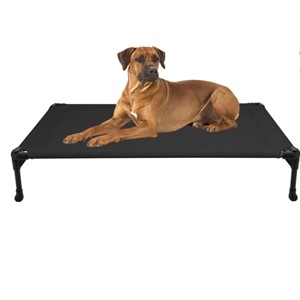
Veehoo Elevated Dog Bed
Veehoo Elevated Dog Bed Black $35 – $61
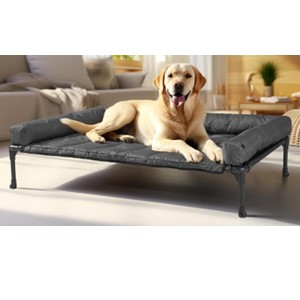
Veehoo Elevated Dog Bed with Bolster
Veehoo Elevated Dog Bed with Bolster $47 – $82
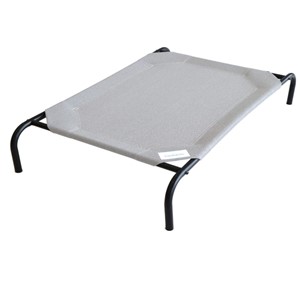
Coolaroo Elevated Dog Bed with Cooling Fabric Grey
Coolaroo Elevated Dog Bed with Cooling Fabric Grey $28 – $40
Cooling Pad Mats
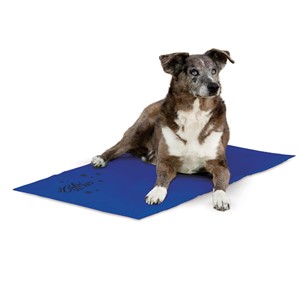
KH Pet Products Cooling Pad Mat
K&H Pet Products Cooling Pad Mat Blue $9 – $37
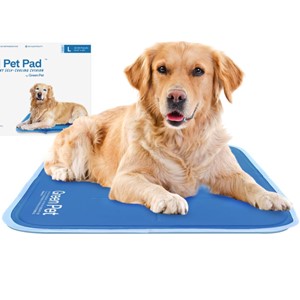
Green Pet Shop Self-Cooling Pet Pad
Greep Pet Shop Self-Cooling Pet Pad $25 – $85
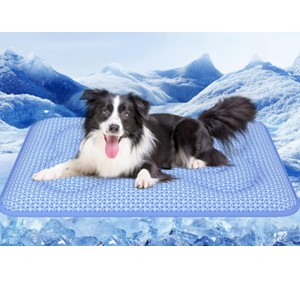
Rywell Cooling Pat Mat
Rywell Cooling Pad Mat $20 – $40
Dog Beds
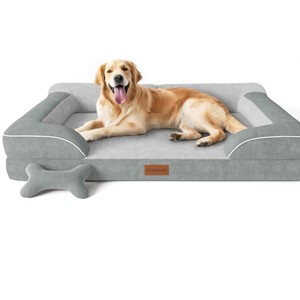
CWAWZ Orthopedic Cooling Gel Bed with Bolsters
CWAWZ Orthopedic Cooling Gel Bed $38 – $90
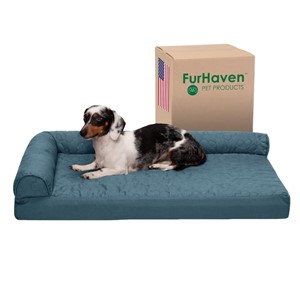
Furhaven Cooling Gel Bed with Bolsters
Furhaven Cooling Gel Bed with Bolsters $46 – $64
Elevated Beds
- RRPETHOME Cooling Elevated Bolster Bed Black, Brown, Caramel, Green & Grey 4 sizes, Chew-Resistant, Easy to Clean, Lightweight, Non-Slip Feet, Coated Steel, Waterproof Bolster, Breathable Mesh, Some Assembly Required $45-$105
- K9 Ballistics Elevated Bed Sizes: S (29″x18″)M (35″ x 22″),XL (47″ x 27″),XXL (50″x 33″) Height same on all beds 4.5″, Colors: Black, Blue Quartz, Gray, Obsidian Black, Ripstop Blue Quartz, Sandstone, & Snow Camo, Chew-Resistant, Waterproof, Non-Skid Feet, Indoor/Outdoor Use, No Assembly, 120-Day Chew-Proof Warranty, $110-$185
- VEEHOO Elevated Chew-Resistant Bed, Sizes: 35″x18″x7″, 41″x27″x7″, 49″x31.5″x7″ Colors: Black & Grey, Orthopedic Support, Some Assembly Required, Waterproof Fabric, 30-Day Return $57-$90
- VEEHOO Elevated Chew-Resistant Bed, Sizes: 32″x25″x7″, 42″x30″x7″, 49″x33″x9″, 59″x37.5″x9″ Colors: Beige, Black, Black Silver, Blue, Brown, & Gray Non-Skid Feet, Aluminum Frame, Easy to Clean, Some Assembly Required, Textilene Mesh Fabric, Indoor/Outdoor Use, $51-$76
- FXW Elevated Chew-Resistant Bed Sizes: XXS (24″x20″x4.1″), XS (30″x22″x4.5″), S (36″x24″x4.5″), M (42″x20″x4.1″), L (50″x 31″x7.3″), XL (56″x31″x7.3″) Colors: Black, Gray, Waterproof, 15-Year Lifespan (Check with manufacture before purchase on this warranty), Lightweight, Non-Slip Feet $70-$128
- FXW Elevated Chew-Resistant Bed Sizes: XXS (24″x20″x4.5″), XS (30″x22″x4.5″), S (36″x24″x4.5″), L (50″x31″x7.3″) XL (56″x31″x7.3″) Colors: Black, Aluminum Frame, Indoor/Outdoor Use, Waterproof, $91-$150
- Kuranda Elevated Chew-proof Bed Sizes: Toy (25″x18″x7″), Small (30″x20″x7″), Medium (35″x23″7″), Large (40″x25″x7″), XLarge (44″x27″x9″), XXLarge (50″x36″x9″) Colors: Burgandy, Forest, Gold, & Smoke, Cordura Nylon Fabric, Easy to Clean, Made in USA, 1-Year Warranty, Some Assembly Required $81-$151
Crate Beds
- K9 Ballistics Crate Bed Chew-Resistant Size: Medium (35″x22″x1″) Colors: Blue, Black, Sandstone Aluminum Frame, Non-Skid Feet, 120-Day Replacement Warranty, Model: K9-0102, $135
- COUZSSYHI Chew-Proof Crate Pad Sizes: XSmall (17″x23″ Up to 25 lbs.), Small (18″x29″ Up to 40 lbs.), Medium (22″x35″ Up to 60 lbs.), Large (28″x41″ Up to 90 lbs.) & XLarge (28″x47″ Up to 110 lbs.) Color: Black, Scratch Resistant, Waterproof, Easy to Clean and Machine Washable, Indoor/Outdoor Use, Model: 002Dogmat $40-$80
- HOMBYS Chew Proof Crate Mat Sizes: XSmall (23″x17″x1″), Medium (35″x22″x1″), Large (41″x28″x0.6″ Color: Black, Scratch-Proof Waterproof Fabric, Easy to Clean & Stain Resistant, Model: MDGD-08214, $48-$95
- VEEHOO Chew Proof Crate Pad Sizes: Small (23″x17″x3.5″ Up to 20 lbs.), Medium (29″x18″x3.5″ Up to 35 lbs.) Large (35″x22″x3.5″ Up to 60 lbs.) Large (41″x27″x3.5″ Up to 90 lbs.), Large (47″x29″x3.5″ Up to 120 lbs.), Color: Black, Hidden Zipper, Machine Washable Removable Cover, Orthopedic Support, Waterproof Inner Layer, 1-Year Warranty, Model: CWW2513BCP, $38-$120
Orthopedic Dog Beds
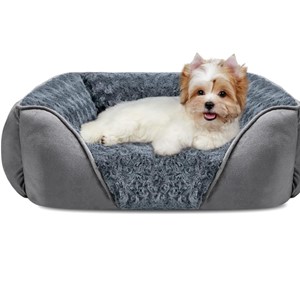
INVENHO Orthopedic Dog Bed
INVENHO Orthopedic Dog Bed $19 – $57
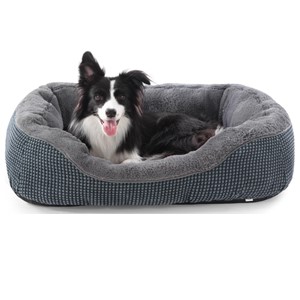
INVENHO Orthopedic Self Warming Dog Bed
INVENHO Orthopedic Self-Warming Dog Bed $30 – $42
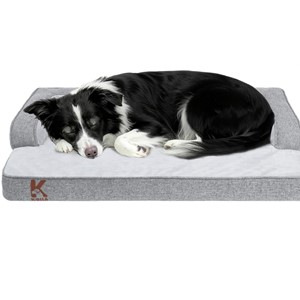
KSIIA Orthopedic Warming Dog Bed
KSIIA Orthopedic Warming Dog Bed $28 – $60
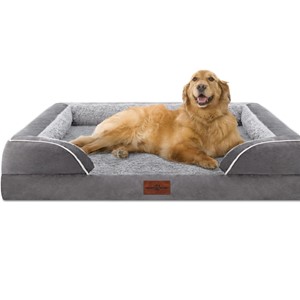
Comfort Expression Orthopedic Bolster Dog Bed
Comfort Expression Orthopedic Bolster Dog Bed $24 – $85
Bolster Dog Beds
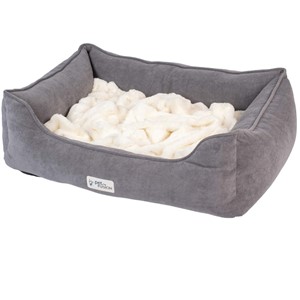
PetFusion Calming Cuddler Dog Bed
PetFusion Bolster Calming Dog Bed $60 – $200
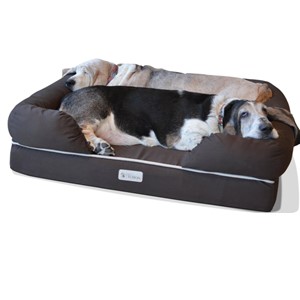
PetFusion Orthopedic Bolster Dog Bed
PetFusion Ulitmate Orthopedic Bolster Bed $74 – $158
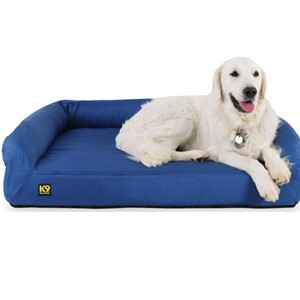
K9 Ballistics Orthopedic Bolster Dog Bed
K9 Ballistics Orthopedic Bolster Dog Bed $80 – $370
Self Warming Dog Beds
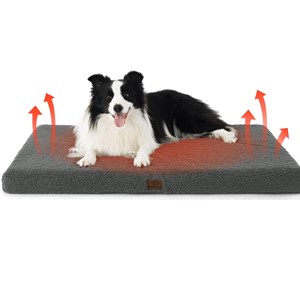
Bedsure Self Warming Dog Bed
Bedsure Self Warming Dog Bed Mat $37 – $85
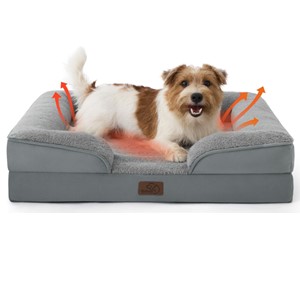
Bedsure Self Warming Orthopedic Couch Dog Bed
Bedsure Self Warming Couch Bed $40 – $110
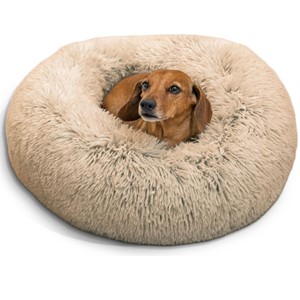
Best Friends by Sheri Calming Donut Dog Bed
Best Friends by Sheri Warming Bed $23 – $40
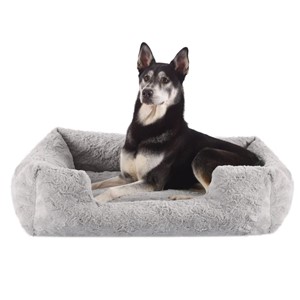
Best Friends by Sheri Calming Lounge Dog Bed
Best Friends by Sheri Calming Lounge Bed $47 – $70
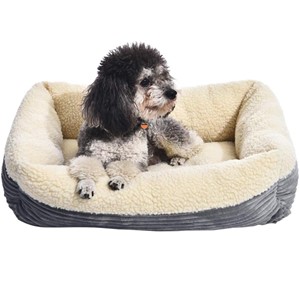
Amazon
Basics Self Warming Dog Bed
Amazon Basics Self Warming Bed $21
Heated Electric Dog Beds
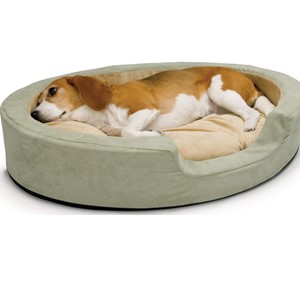
KH Pet Products Heated Dog Bed
K&H Pet Products Heated Dog Bed $121
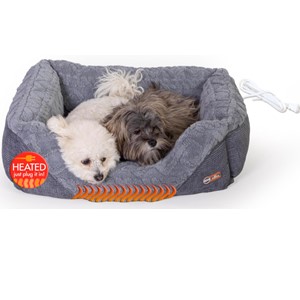
KH Pet Products Heated Bolster Lounge Dog Bed
K&H Pet Products Heated Bolster Lounge Bed $53 – $70
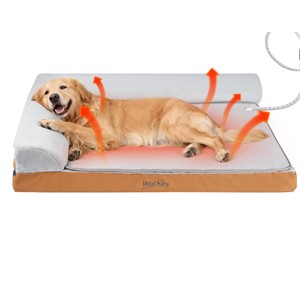
KH Pet Products Heated Couch Dog Bed
K&H Pet Products Heated Couch Bed $70 – $80
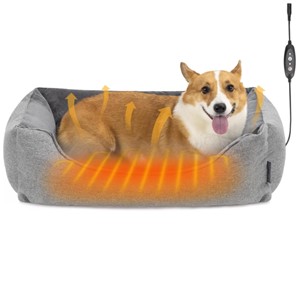
TENECUTE Heated Dog Bed
IntroductionBed Buying ChecklistWhat Makes An Orthopedic BedBenefits of An Orthopedic BedAre Ortho Beds Worth It?Choosing The Right BedChoosing The Right TypeSizing Mistakes to AvoidMaterials UsedBest Materials UsedHow To Choose BedsCommon Buying MistakesDog Beg BrandsFrequently Asked QuestionsConclusionShop Orthopedic Beds