Best Dog Beds for Crates: Top Picks for Puppies, Chewers & Senior Dogs
Top Picks for Puppies, Chewers & Senior Dogs
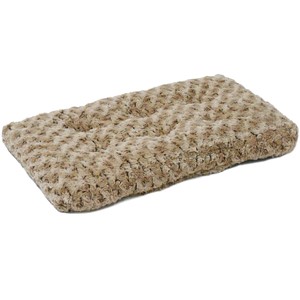
Midwest Homes Plush Dog Crate Bed
IntroductionQuick Verdict– Best Overall– Best Orthopedic– Best for Chewers– Best Budget Buy– Best for PuppiesWhy These Are Top PicksWho Should Buy a Crate Bed?Who Should Skip a Crate Bed?Comparison TablePros & ConsBest Beds by SizeWho Should Use A Bed?Frequently Asked QuestionsFinal VerdictShop Crate Beds
Introduction
Best dog beds for crates: Top picks for puppies, chewers & senior dogs can make a big difference in how comfortable and secure your dog feels in their crate.
Whether you’re crate training a puppy, supporting an aging dog with joint pain, or simply trying to make daily crate time more comfortable, the right bed turns a basic crate into a cozy resting space your dog will actually want to use.
With so many options available ranging from simple crate mats to orthopedic memory foam beds and chew-resistant designs it can be difficult to know which one is the right fit. Some beds prioritize softness and warmth, while others focus on durability, waterproof protection, or joint support for larger breeds.
In this guide, we break down the best dog beds for crates across key categories like comfort, durability, budget, and size. You’ll also find quick picks, buying tips, and FAQs to help you choose the perfect crate bed for your dog’s needs.
Quick Verdict Table
| Category | Winner |
| Best Overall | MidWest Quiet Time Fleece Crate Mat |
| Best Orthopedic | Big Barker Orthopedic Crate Bed |
| Best for Chewers | K9 Ballistics Tough Rip-Stop Crate Pad |
| Best Budget | KONG Durable Crate Mat |
| Best for Puppies | FurHaven Faux Lambswool Bolster Crate Bed |
Best Overall Crate Bed
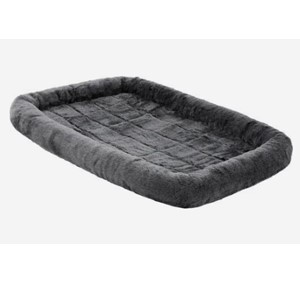
- MidWest Quiet Time Fleece Crate Mat: A reliable all-around choice with a soft fleece surface, machine-washable design, and sizes that fit most standard crates. It balances comfort, durability, and affordability better than most competitors.
Best Orthopedic Crate Bed & For Senior Dogs
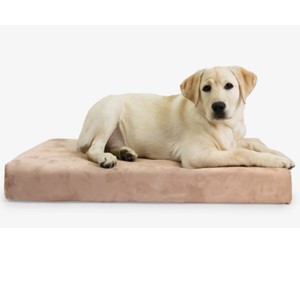
- Big Barker Orthopedic Dog Crate Bed: Premium orthopedic foam provides exceptional joint support for senior dogs, large breeds, and dogs with arthritis. The durable construction and washable cover justify the higher price.
Best Crate Bed For Chewers
- Veehoo Chew Proof Dog Crate Mat: Designed specifically for destructive chewers with chew-resistant materials and reinforced construction that helps prevent shredded bedding.
Best Budget Crate Bed
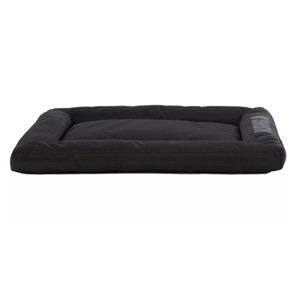
- Kong Durable Crate Dog Mat: An affordable, no-frills crate mat that delivers solid comfort and durability at a budget-friendly price point.
Best Crate Bed For Puppies
FurHaven Faux Lambswool Bolster Crate Pet Bed — The plush sleep surface and supportive bolsters create a cozy, secure environment that helps puppies feel comfortable during crate training.
Why These Are Our Top Picks
- Best Overall: The MidWest Quiet Time Fleece Crate Mat offers an excellent balance of comfort, durability, affordability, and crate compatibility, making it a safe recommendation for most dogs.
- Best Orthopedic: The Big Barker Orthopedic Crate Bed features premium orthopedic foam that provides exceptional support for senior dogs, large breeds, and dogs with joint issues.
- Best for Chewers: The K9 Ballistics Tough Rip-Stop Crate Pad is specifically designed to withstand destructive chewing and scratching, making it one of the toughest crate beds available.
- Best Budget: The KONG Durable Crate Mat delivers solid comfort and durability at an affordable price point, making it a great value choice.
- Best for Puppies: The FurHaven Faux Lambswool Bolster Crate Bed creates a cozy, secure sleeping environment that helps puppies feel comfortable during crate training.
IntroductionQuick Verdict– Best Overall– Best Orthopedic– Best for Chewers– Best Budget Buy– Best for PuppiesWhy These Are Top PicksWho Should Buy a Crate Bed?Who Should Skip a Crate Bed?Comparison TablePros & ConsBest Beds by SizeWho Should Use A Bed?Frequently Asked QuestionsFinal VerdictShop Crate Beds
Who Should Buy a Crate Bed?
A crate bed is a worthwhile upgrade for dogs that regularly sleep, relax, or travel in a crate. The right crate bed can make the crate feel more like a comfortable den while providing cushioning and support.
A crate bed is a good choice for:
- Crate-trained dogs who spend nights or downtime in their crate and need a softer surface than a plastic crate tray.
- Puppies in crate training who benefit from a cozy, secure space that encourages positive crate associations.
- Senior dogs or dogs with joint issues that need extra cushioning or orthopedic support for comfort.
- Frequent travelers who use crates in vehicles, hotels, or while visiting family and want a familiar resting spot for their dog.
- Owners of anxious dogs who want to make the crate feel more secure and inviting. A properly fitted bed can help create a calm, den-like environment.
Who Should Skip a Crate Bed?
You may want to wait on a traditional crate bed if your dog:
- Regularly chews or destroys bedding, as loose fabric and stuffing can become a safety hazard. Consider a chew-resistant crate pad instead.
- Is still having frequent crate accidents, since absorbent beds can be difficult to keep clean during house training.
- Naturally prefers cool, hard surfaces over soft bedding, which is common in some breeds and warmer climates.
Bottom line: If your dog uses a crate regularly and enjoys soft sleeping surfaces, a well-fitted crate bed is usually a worthwhile investment. For destructive chewers or puppies in the early stages of house training, a durable crate pad may be the safer option until they outgrow those habits.
Comparison Table for Dog Beds for Crates
| Bed | Foam | Washable | Waterproof | Chew Resistant | Best For |
|---|---|---|---|---|---|
| MidWest Quiet Time Fleece Crate Mat | ❌ | ✅ | ❌ | ❌ | Overall Comfort & Everyday Use |
| Big Barker Orthopedic Crate Bed | ✅ Orthopedic Foam | ✅ | Water-Resistant Cover | ❌ | Senior Dogs & Joint Support |
| FurHaven Faux Lambswool Crate Bed | ✅ Foam Base | ✅ | ❌ | ❌ | Puppies & Anxious Dogs |
| KONG Durable Crate Mat | ✅ Cushion Fill | ✅ | ❌ | Moderate | Budget-Friendly Option |
| Veehoo Chew Proof Dog Crate Mat | ❌ | ✅ | ✅ | ✅ | Heavy Chewers |
| Milliard Quilted Padded Crate Bed | ✅ Memory Foam | ✅ | ✅ | ❌ | Orthopedic Comfort on a Budget |
| K9 Ballistics Tough Rip-Stop Crate Pad | ❌ | ✅ | ✅ | ✅ | Extreme Chewers |
| Brindle Soft Memory Foam Crate Bed | ✅ Memory Foam | ✅ | Waterproof Liner | ❌ | Large Breeds & Older Dogs |
IntroductionQuick Verdict– Best Overall– Best Orthopedic– Best for Chewers– Best Budget Buy– Best for PuppiesWhy These Are Top PicksWho Should Buy a Crate Bed?Who Should Skip a Crate Bed?Comparison TablePros & ConsBest Beds by SizeWho Should Use A Bed?Frequently Asked QuestionsFinal VerdictShop Crate Beds
Pros and Cons of Crate Beds
Before buying a crate bed, it’s worth considering both the benefits and potential drawbacks. While a quality crate bed can improve your dog’s comfort and make crate time more enjoyable, it’s not the right fit for every dog.
Pros
- Improves comfort: Provides cushioning and support compared to sleeping directly on a hard plastic crate tray.
- Supports joints and pressure points: Orthopedic and memory foam options can help senior dogs and dogs with arthritis stay comfortable.
- Creates a cozy den-like space: A soft bed can make the crate feel more inviting and help dogs settle down more easily.
- Can reduce anxiety: Familiar bedding may help dogs feel secure when resting, traveling, or adjusting to crate training.
- Protects dogs from cold floors: Adds insulation between your dog and cold surfaces, especially during winter months.
- Available in crate-specific sizes: Many crate beds are designed to fit standard crate dimensions for a snug, secure fit.
- Easy to clean: Most modern crate beds feature removable, machine-washable covers.
Cons
- Not ideal for aggressive chewers: Some dogs may tear apart fabric beds, creating a mess and potential safety or choking hazard.
- Can be difficult during house training: Puppies that still have accidents may soil the bed frequently, requiring extra cleaning.
- Higher-quality models can be expensive: Orthopedic and chew-resistant crate beds often cost significantly more than basic mats.
- May retain heat: Plush or memory foam beds can sleep warm, which may be uncomfortable for dogs that prefer cooler surfaces especially in warm climates.
- Require regular maintenance: Covers and inserts need occasional washing to control odors, dirt, and pet hair.
- Take up crate space: Thick beds can reduce usable floor space, particularly in smaller crates.
- Not all dogs prefer soft bedding: Some dogs naturally choose hard, cool surfaces and may ignore a plush crate bed altogether.
Bottom Line
A crate bed is a worthwhile investment for most crate-trained dogs, offering better comfort, support, and security than a bare crate floor. However, owners of heavy chewers or puppies still working through house training may be better served by a durable crate mat or chew-resistant option.
Best Crate Beds by Crate Size
Choosing the right bed size is just as important as choosing the right bed itself. A crate bed should fit snugly inside the crate without bunching up or leaving large gaps around the edges.
Best Bed for a 24-Inch Crate
Recommended: MidWest Quiet Time Fleece Crate Mat (24-Inch)
A 24-inch crate is typically used for toy and small dog breeds such as Chihuahuas, Yorkshire Terriers, and Maltese.
The MidWest Quiet Time Fleece Crate Mat offers a comfortable sleeping surface while fitting neatly inside standard 24-inch crates. Its lightweight design and machine-washable construction make it an excellent choice for everyday use.
Best Bed for a 30-Inch Crate
Recommended: FurHaven Faux Lambswool Crate Bed (30-Inch)
30-inch crates are popular for small-to-medium breeds like French Bulldogs, Cocker Spaniels, and Miniature Australian Shepherds.
The FurHaven Faux Lambswool Crate Bed provides plush comfort and supportive bolsters that help dogs feel secure while resting inside the crate.
Best Bed for a 36-Inch Crate
Recommended: MidWest Quiet Time Deluxe Ombre Swirl Bed (36-Inch)
A 36-inch crate is commonly used for medium-sized dogs such as Border Collies, Bulldogs, and Standard Schnauzers.
The MidWest Deluxe Ombre Swirl Bed offers extra cushioning and a soft sleep surface while maintaining a crate-friendly profile that won’t take up excessive space.
Best Bed for a 42-Inch Crate
Recommended: Big Barker Orthopedic Crate Bed (42-Inch)
42-inch crates are ideal for larger breeds including Labrador Retrievers, Golden Retrievers, and German Shepherds.
The Big Barker Orthopedic Crate Bed provides premium orthopedic foam support that helps reduce pressure on joints and promotes better sleep, especially for older dogs.
Best Bed for a 48-Inch Crate
Recommended: Big Barker Orthopedic Crate Bed (48-Inch XL)
48-inch crates are designed for giant breeds such as Great Danes, Saint Bernard’s, and Mastiffs.
The Big Barker Orthopedic Crate Bed delivers exceptional support and durability for heavier dogs while maintaining its shape over years of use. Its thick orthopedic foam helps prevent pressure-point discomfort common in giant breeds.
Who Should Use Crate Bed
Best Crate Bed for Puppies
Who Should Use It?
This type of crate bed is ideal for:
- Puppies going through crate training.
- New dog owners looking to create a comfortable, welcoming crate environment.
- Small breeds that enjoy soft, plush sleeping surfaces.
- Dogs that benefit from extra warmth and security while adjusting to a new home.
Look for machine-washable materials since accidents are common during the house-training stage.
Best Crate Bed for Senior Dogs
Who Should Use It?
This crate bed is best for:
- Senior dogs experiencing age-related stiffness.
- Dogs with arthritis, hip dysplasia, or joint pain.
- Large breeds that place more pressure on their joints.
- Pets recovering from surgery or injury.
Orthopedic foam can help reduce pressure points and improve overall sleeping comfort.
Best Crate Bed for Heavy Chewers
Who Should Use It?
A chew-resistant crate bed is a smart choice for:
- Dogs that regularly destroy traditional beds.
- Power chewers such as Pit Bulls, German Shepherds, and Labrador Retrievers.
- Dogs experiencing boredom or separation anxiety.
- Owners tired of replacing shredded bedding.
Durable fabrics and reinforced seams can help extend the bed’s lifespan and improve crate safety.
Best Waterproof Crate Bed
Who Should Use It?
A waterproof crate bed is ideal for:
- Puppies still working through house training.
- Senior dogs dealing with occasional incontinence.
- Dogs that frequently come indoors wet or muddy.
- Owners who want easier cleanup and odor control.
Waterproof liners help protect the bed’s interior foam from moisture and accidents.
Best Travel Crate Bed
Who Should Use It?
A travel-friendly crate bed is best for:
- Families who frequently travel with their dog.
- Dogs that spend time in car crates or airline-approved carriers.
- Campers, RV owners, and road-trip enthusiasts.
- Pet owners who want a lightweight, portable sleeping solution.
- The best travel crate beds are lightweight, easy to pack, and simple to clean between trips.
IntroductionQuick Verdict– Best Overall– Best Orthopedic– Best for Chewers– Best Budget Buy– Best for PuppiesWhy These Are Top PicksWho Should Buy a Crate Bed?Who Should Skip a Crate Bed?Comparison TablePros & ConsBest Beds by SizeWho Should Use A Bed?Frequently Asked QuestionsFinal VerdictShop Crate Beds
FAQ’s About Dog Beds for Crates
Should a dog bed fill the entire crate?
Yes, a dog bed should fit most of the crate’s floor space without bunching up or leaving large gaps around the edges. A properly sized crate bed provides maximum comfort while reducing the risk of your dog getting limbs caught between the bed and the crate walls. Always choose a bed designed for your crate’s dimensions.
What thickness is best for a crate bed?
For most dogs, a crate bed between 1 and 4 inches thick offers a good balance of comfort and space efficiency. Puppies and small dogs can be comfortable on thinner mats, while larger breeds and senior dogs typically benefit from thicker orthopedic foam that provides better joint support.
Are orthopedic crate beds worth it?
Yes, orthopedic crate beds are often worth the investment, especially for senior dogs, large breeds, and dogs with arthritis or joint problems. High-quality orthopedic foam helps distribute body weight evenly, reduces pressure points, and can improve overall sleep quality and comfort.
Should puppies sleep on crate mats?
Most puppies do well with a soft, washable crate mat. A crate mat can make the crate feel more comfortable and inviting during training. However, if your puppy frequently has accidents or chews bedding, a thin, durable crate pad may be a safer option until those habits improve.
What is the best crate bed for chewers?
Chew-resistant options such as the K9 Ballistics Tough Rip-Stop Crate Pad are among the best choices for dogs that destroy traditional bedding. These beds use reinforced fabrics and durable construction to withstand scratching, digging, and moderate to heavy chewing better than standard plush crate beds.
How often should crate beds be washed?
Most crate beds should be washed every two to four weeks under normal use. Dogs that shed heavily, spend a lot of time outdoors, have allergies, or experience accidents may require more frequent cleaning. Regular washing helps control odors, bacteria, pet hair, and allergens while extending the life of the bed.
Final Verdict
The best dog bed for a crate ultimately depends on your dog’s age, size, sleeping habits, and comfort needs. For most pet owners, the MidWest Quiet Time Fleece Crate Mat offers the best combination of comfort, affordability, and crate compatibility, making it an excellent all-around choice.
Dogs that need additional support may benefit from an orthopedic option like the Big Barker Orthopedic Crate Bed, while heavy chewers are better served by a durable crate pad such as the K9 Ballistics Tough Rip-Stop Crate Pad.
When choosing a crate bed, focus on proper sizing, easy-to-clean materials, and the level of support your dog requires. A well-fitted crate bed can transform a crate from a simple containment space into a comfortable retreat where your dog can rest, relax, and feel secure.
Whether you’re shopping for a growing puppy, a senior dog with aching joints, or an active adult dog that spends time in a crate each day, investing in a quality crate bed can improve your dog’s comfort and make crate time a more positive experience.
Shop Crate Dog Beds
As an Amazon Associate, I earn from qualifying purchases. Your purchase price is the same as if you shop directly on Amazon.
The price at time of publish is included below to give you an idea of what the price is; however, it is subject to change.
Please note: When you are in Amazon you have some options in selecting the color and bed size.
Barker Beds (Best Orthopedic)
Barker Beds Orthopedic Crate Bed Khaki
KONG Durable Crate Mat (Best Budget Buy)
KONG Durable Crate Dog Mat Black
MidWest Quiet Time Fleece Crate Mat (Best Overall)
MidWest Quiet Time Fleece Crate Mat Gray
Midwest Quiet Time Fleece Crate Mat 3 Colors, 8 Sizes, Machnine Washable, $12 – $76
K9 Ballistics (Best for Puppies)
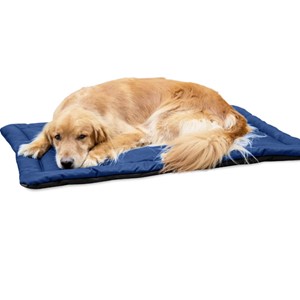
K9 Ballistics Tough Rip-Stop Crate Pad Blue
Veehoo Chew Proof Bed (Best for Chewers)
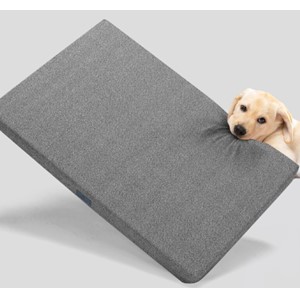
Veehoo Chew Proof Dog Crate Bed Gray
IntroductionQuick Verdict– Best Overall– Best Orthopedic– Best for Chewers– Best Budget Buy– Best for PuppiesWhy These Are Top PicksWho Should Buy a Crate Bed?Who Should Skip a Crate Bed?Comparison TablePros & ConsBest Beds by SizeWho Should Use A Bed?Frequently Asked QuestionsFinal VerdictShop Crate Beds