How Thick Should an Orthopedic Dog Bed Be
A Dog’s Weight and Age Are Critical!
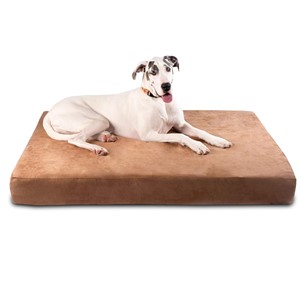
Big Barker Orthopedic Jumbo Dog Bed
IntroductionQuick Reference TableIdeal ThicknessFoam GuidelinesArthritis TipsWhy Thickness MattersDogs WeightBest For Senior DogsDensity vs. Foam ThicknessCan A Bed Be To Thick?Sleeping PositionFloors Vs. CarpetSigns Bed Isn’t Thick EnoughChoosing The Right BedCommon MistakesFrequently Asked QuestionsKeep Factors In MindFinal RecommendationShop Orthopedic Beds
Introduction
How thick should an orthopedic dog bed be depends on your dog’s size, weight, age, and any point or mobility issues they may have.
In general, an orthopedic dog bed should be at least 4 to 8 inches thick to provide enough support for most adult dogs, while larger breeds, senior dogs, and dogs with arthritis often benefit from beds that are 6 to 8 inches thick or more.
The goal is to ensure the high-density memory foam or orthopedic foam cushions pressure points without compressing all the way to the floor, allowing your dog to rest comfortably and wake up with less stiffness.
By understanding how bed thickness affects support and comfort, you can choose an orthopedic bed that promotes healthier sleep and better joint protection for your dog’s specific needs.
In this guide, we will share information about the ideal thickness, why it’s important, why thickness matters, dog’s sleeping position, common mistakes to avoid, FAQ’s, foam density and thickness, and how to choose the right orthopedic bed.
This information will be helpful for dog owners in selecting the proper orthopedic dog bed for their furry friend.
Quick Reference Table
| Dog Size | Recommended Thickness |
| Small (under 30 lbs) | 2–3 inches |
| Medium (30–60 lbs) | 3–4 inches |
| Large (60–90 lbs) | 4–5 inches |
| Giant (90+ lbs) | 5–7 inches |
Note: High-density memory foam is more important than simply adding thickness.
What Is the Ideal Thickness for an Orthopedic Dog Bed?
The ideal thickness for an orthopedic dog bed is typically between 4 and 8 inches, depending on your dog’s size, weight, and health needs. A bed should be thick enough that your dog’s body stays fully supported without sinking through the foam and feeling the hard floor underneath.
- For small dogs weighing under 30 pounds, a 4-inch orthopedic foam mattress is usually sufficient.
- Medium-sized dogs often benefit from 4 to 6 inches of high-density foam.
- While large and giant breeds generally require 6 to 8 inches to evenly distribute their weight and reduce pressure on their hips, shoulders, and elbows.
- Dogs with arthritis, hip dysplasia, or other joint problems often need thicker beds because they require more cushioning to relieve pressure on sore joints.
In these cases, the quality and density of the foam are just as important as the overall thickness. A thinner bed made from high-density orthopedic foam can provide better support than a much thicker bed filled with low-quality padding.
When choosing an orthopedic dog bed, look for one that allows your dog to lie comfortably without their joints pressing against the floor. A properly sized, supportive mattress helps improve sleep quality, reduces discomfort, and makes it easier for dogs, especially seniors, to get up after resting.
Memory Foam Guidelines
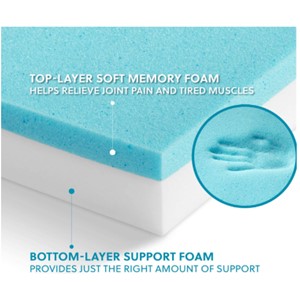
Memory Foam Used In Dog Beds
Orthopedic dog beds should generally be 4 to 8 inches thick. The ideal thickness depends primarily on your dog’s weight, with larger or senior dogs needing thicker foam (6–8 inches) to prevent “bottoming out” and smaller dogs doing well with 4–5 inches.
A high-quality orthopedic bed should feature solid memory foam or high-density support foam. Consider the following guidelines based on your dog’s size and needs:
- Small to Medium Breeds (Under 50 lbs): Aim for 3 to 5 inches of thickness. This is enough to properly cradle lighter joints without making the bed too high off the ground for easy entry.
- Large and Heavy Breeds (50+ lbs): Opt for 5 to 8 inches. Larger dogs require denser, thicker foam to evenly distribute their weight, alleviate pressure points, and ensure the bed doesn’t flatten out over time.
- Senior Dogs and Dogs with Arthritis: Regardless of size, seniors and dogs with joint issues benefit greatly from at least 4 to 5 inches of dense foam. For larger arthritic dogs, a 7-inch-thick mattress is often recommended to comfortably support their spine and hips.
IntroductionQuick Reference TableIdeal ThicknessFoam GuidelinesArthritis TipsWhy Thickness MattersDogs WeightBest For Senior DogsDensity vs. Foam ThicknessCan A Bed Be To Thick?Sleeping PositionFloors Vs. CarpetSigns Bed Isn’t Thick EnoughChoosing The Right BedCommon MistakesFrequently Asked QuestionsKeep Factors In MindFinal RecommendationShop Orthopedic Beds
Tips For Arthritis In Dogs
Watch for subtle clues like limping, stiffness after resting, hesitance to jump, or unusual irritability. You might also notice muscle loss in their legs or chronic fatigue from everyday tasks. Early detection is key to keeping them comfortable.
Keep a close eye on these physical and behavioral changes:
- Mobility issues: Difficulty standing up after laying down, slower movement, or hesitation to climb stairs.
- Reluctance to jump: Avoiding getting on or off furniture or into the car.
- Behavioral shifts: Irritability when touched in specific areas, or less enthusiasm for walks and playtime.
- Joint changes: Swollen joints, or if they excessively lick or chew at specific areas like their hips or elbows.
- Posture or gait changes: A swaying walk, shifting weight to favor less painful limbs, or noticeable muscle loss.
If you suspect joint issues or any of the behavioral changes above, your veterinarian can provide targeted relief from safe prescription medications and joint supplements to physical therapy and weight management plans. Never give dog’s human pain medications like ibuprofen or acetaminophen, as they are toxic.
Why Thickness Matters
The thickness of an orthopedic dog bed plays a major role in how well it supports your dog’s body. While many people focus on the type of foam, the bed must also be thick enough to prevent your dog’s weight from compressing the material completely. If the foam bottoms out, your dog can end up resting on the hard floor, which reduces comfort and increases pressure on their joints.
A properly thick orthopedic bed helps distribute your dog’s weight more evenly across the surface. This reduces pressure on common stress points such as the hips, shoulders, elbows, and spine, making it especially beneficial for senior dogs, large breeds, and dogs recovering from surgery or living with arthritis.
Thicker beds also provide better long-term support because they tend to retain their shape for longer when made with high-density orthopedic foam. This means the bed continues to cushion your dog effectively instead of flattening out after months of use.
In addition to improving joint support, the right bed thickness can help regulate body temperature by creating more insulation from cold or hard floors. It also makes it easier for older dogs to lie down and stand up comfortably, contributing to better sleep quality and overall well-being.
Ultimately, the best orthopedic dog bed is one that’s thick enough to support your dog’s weight without losing its shape, while providing lasting comfort throughout years of daily use.
Does Your Dog’s Weight Affect the Ideal Thickness?
Yes. Your dog’s weight is one of the most important factors when choosing the thickness of an orthopedic dog bed. Heavier dogs place more pressure on the foam, so they need thicker, high-density support to prevent the bed from compressing completely. Lighter dogs don’t exert as much force, meaning they can remain comfortable on slightly thinner orthopedic mattresses.
As a general rule, the heavier your dog, the thicker and denser the orthopedic foam should be.
Small Dogs (Up to 30 Pounds)
Small breeds such as Chihuahuas, Yorkshire Terriers, Dachshunds, and Shih Tzus typically do well with an orthopedic bed that is 4 inches thick. Their lower body weight doesn’t compress the foam as much, so a quality 4-inch memory foam mattress provides excellent support while keeping them comfortable.
If you’re small dog is elderly or has arthritis, choosing a thicker 5-inch bed can provide additional pressure relief.
Medium Dogs (30–60 Pounds)
Medium-sized breeds like Beagles, Border Collies, Cocker Spaniels, and Bulldogs generally benefit from 4 to 6 inches of orthopedic foam. This thickness provides enough cushioning to support their joints without allowing them to sink too deeply into the mattress.
For active dogs or those beginning to show signs of joint stiffness, opting for the thicker end of this range offers better long-term comfort.
Large Dogs (60–100 Pounds)
Large breeds such as Labrador Retrievers, Golden Retrievers, German Shepherds, and Boxers need 6 inches of high-density orthopedic foam at a minimum. Their greater body weight creates more pressure on the bed, making thinner mattresses less effective over time.
A 6-inch orthopedic bed helps distribute weight evenly across the hips, shoulders, elbows, and spine while preventing the dog from feeling the hard floor beneath.
Giant Dogs (Over 100 Pounds)
Giant breeds including Great Danes, Saint Bernard’s, Mastiffs, Newfoundland’s, and Irish Wolfhounds require the thickest orthopedic beds available. A mattress that is 6 to 8 inches thick, made with high-density memory foam or orthopedic support foam, is usually the best choice.
These dogs place significant stress on bedding, so both the thickness and foam quality are critical. A well-constructed orthopedic bed helps reduce pressure on joints, improves sleep quality, and can make standing up much easier for aging giant breeds.
Weight Isn’t the Only Factor
While weight is an excellent starting point, it isn’t the only consideration. A senior dog with arthritis may need a thicker bed than a younger dog of the same size. Likewise, dogs recovering from surgery or living with hip dysplasia, elbow dysplasia, or other orthopedic conditions often benefit from extra cushioning and premium orthopedic foam.
Ultimately, the ideal orthopedic dog bed combines the right thickness with high-density, supportive materials that keep your dog’s body properly aligned throughout the night.
Best Thickness for Senior Dogs
The extra thickness helps prevent the foam from compressing completely under your dog’s weight, allowing it to cushion sore joints instead of forcing them against the hard floor. This pressure relief can make a noticeable difference in comfort, especially for dogs that spend much of the day resting.
Check out the health conditions below:
Arthritis
Dogs with arthritis often experience inflammation, joint pain, and stiffness that worsen after lying on hard surfaces. A 6-inch orthopedic bed is generally suitable for most small and medium-sized dogs with arthritis, while large and giant breeds usually benefit from 7 to 8 inches of high-density foam. The additional cushioning helps reduce pressure on inflamed joints and may make it easier for dogs to get up after sleeping.
Hip Dysplasia
Hip dysplasia places significant stress on the hip joints, making proper support essential. A bed that is 6 to 8 inches thick helps distribute body weight more evenly, reducing pressure on the hips and encouraging a more natural sleeping position. This can improve comfort during long periods of rest and minimize soreness when your dog wakes up.
Elbow Dysplasia
Dogs with elbow dysplasia often develop painful pressure points where their elbows contact the bed. A thicker orthopedic mattress provides deeper cushioning that protects these joints from repeated impact with hard surfaces. For most affected dogs, at least 6 inches of high-density orthopedic foam offers the best balance of support and pressure relief.
Reduced Mobility
Dogs with reduced mobility often struggle to lower themselves onto the floor or push themselves back up. A supportive 6- to 8-inch orthopedic bed helps maintain proper body alignment while preventing the dog from sinking too deeply into the mattress. This stable surface makes changing positions and standing up less difficult than on overly soft or worn-out beds.
Bigger Dogs Need More Support
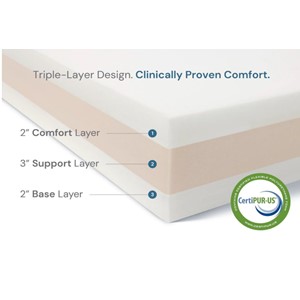
Big Barker Memory Foam Layers 7-Inches
Body weight plays an important role when selecting the right thickness. A 20-pound senior dog with arthritis doesn’t compress foam nearly as much as a 100-pound Labrador Retriever with the same condition. Larger dogs generally require thicker, denser foam to achieve the same level of support, which is why many veterinarians and orthopedic bedding manufacturers recommend 7- to 8-inch mattresses for heavier breeds with joint disease.
More Than Thickness Alone
While thickness is important, foam quality ultimately determines how supportive the bed will be. A 6-inch bed made from high-density orthopedic foam will usually outperform an 8-inch bed made with low-density filler foam because it maintains its shape, resists sagging, and continues to support painful joints over time.
For senior dogs living with arthritis, hip dysplasia, elbow dysplasia, or reduced mobility, the ideal orthopedic bed combines 6 to 8 inches of high-density foam with durable construction, providing consistent support that helps reduce pressure, improve sleep quality, and make everyday movement more comfortable.
IntroductionQuick Reference TableIdeal ThicknessFoam GuidelinesArthritis TipsWhy Thickness MattersDogs WeightBest For Senior DogsDensity vs. Foam ThicknessCan A Bed Be To Thick?Sleeping PositionFloors Vs. CarpetSigns Bed Isn’t Thick EnoughChoosing The Right BedCommon MistakesFrequently Asked QuestionsKeep Factors In MindFinal RecommendationShop Orthopedic Beds
Foam Density vs. Foam Thickness
When shopping for an orthopedic dog bed, it’s easy to assume that a thicker bed is always better. However, foam density is just as important if not more important than thickness. The best orthopedic beds combine adequate thickness with high-density support foam to deliver lasting comfort and proper joint support.
What Is Foam Density?
Foam density refers to how much material is packed into the foam. High-density foam is firmer, more durable, and better at supporting your dog’s weight over time. Low-density foam contains more air, making it softer initially but more likely to flatten and lose support with regular use.
For orthopedic beds, high-density memory foam or orthopedic support foam is the preferred choice because it resists sagging and maintains its shape for years.
Why Thickness Alone Isn’t Enough
A thick dog bed filled with low-density foam may look luxurious, but it can compress quickly under your dog’s weight. Once the foam bottoms out, your dog is essentially lying on the floor, eliminating the pressure relief that an orthopedic bed is supposed to provide.
By comparison, a slightly thinner mattress made from premium high-density foam often provides better spinal alignment, joint support, and long-term durability than a much thicker bed made with inexpensive materials.
The Best Combination
The ideal orthopedic dog bed combines both sufficient thickness and high-density foam.
- 4-inch high-density foam is generally suitable for small dogs.
- 5 to 6 inches of high-density foam works well for most medium and large breeds.
- 6 to 8 inches of high-density foam is recommended for giant breeds and dogs with severe arthritis or mobility issues.
This combination ensures the foam cushions pressure points without allowing your dog to sink through to the base of the bed.
Signs the Foam Isn’t Supportive Enough
Regardless of thickness, a dog bed may not provide adequate orthopedic support if you notice any of the following:
- Your dog can feel the floor when lying down.
- The bed remains flattened after your dog gets up.
- The foam develops permanent body impressions.
- Your dog struggles to get comfortable or frequently changes sleeping positions.
- The bed loses its shape after only a few months of use.
The Bottom Line
When comparing orthopedic dog beds, don’t focus solely on thickness. A 6-inch bed made from premium high-density orthopedic foam will almost always outperform an 8-inch bed made with low-density filler foam. For the best results, choose a bed that offers both the appropriate thickness for your dog’s size and durable, high-quality foam that maintains its support over time.
Can a Dog Bed Be Too Thick?
Yes, a dog bed can absolutely be too thick, especially for small dogs, puppies, or dogs with mobility issues. An overly thick or puffy bed can create balance issues, restrict a dog from stretching out comfortably, and make it difficult for them to safely get on or off.
Several factors determine if a bed is too thick for your pet:
- Mobility and Senior Dogs: If an older dog has arthritis or hip dysplasia, thick, unsupportive fluff can make their bed unstable, causing them to sink or struggle to stand. Flat, sturdy orthopedic mattresses are usually best for joint support.
- Safety for Small Dogs and Puppies: A bed that is too elevated or thick can pose a tipping hazard. Very fluffy or beanbag-style beds that are thick can also increase the risk of suffocation if a small puppy gets buried in them.
- Overheating: Thickly insulated or plush beds retain a lot of heat. Breeds with thick coats or dogs that like to stretch out to cool down will often avoid a bed that is too deep and puffy.
- Bottoming Out: On the flip side, very lightweight dogs might do well on a 2- to 3-inch pad, but heavy dogs will easily flatten it out, completely negating the thickness. Larger breeds typically need a minimum of 4 to 6 inches of high-quality memory foam for proper support.
Sleeping Position and Bed Thickness

Sleeping Styles – The Superman Sleeper
Different sleeping styles need different support.
Dog sleeping positions indicate their comfort and emotional state. Bed thickness directly affects how well a bed cushions joints and regulates temperature, ultimately dictating whether a dog can stretch out comfortably or is forced into unnatural positions.
Common Dog Sleeping Positions
- The Side Sleeper: Limbs extended and belly partly exposed. This means your dog is calm, feels safe, and is in a deep, restorative sleep.
- The Curl (Donut): Curled tightly in a ball with the tail tucked. They do this to conserve body heat or feel secure.
- The Superman (Sprawl): Belly down with front legs stretched forward and back legs stretched backward. It is often a way to cool down by pressing their bellies against a cooler surface.
- Belly Up: Lying on the back with all limbs in the air. This shows ultimate trust in their environment, but it can also be a way to release excess body heat.
- The Sphinx: Crouched squarely on all fours with the head resting on the front legs. Your dog is lightly resting but ready to spring into action.
How Bed Thickness Affects Sleep
- Joint & Pressure Support: Thin, flimsy beds easily flatten, forcing a dog’s joints to press against the hard floor. This is particularly uncomfortable for senior dogs, who often require an orthopedic memory foam mattress at least 4 to 6 inches thick to relieve pressure on their hips.
- Temperature Regulation: The thickness and material of the padding play a huge role in temperature control. Very thick, plush beds trap body heat, which helps cold dogs but can make “Superman” sprawlers or thick-coated dogs overheat. Thinner, firmer, or elevated beds allow better airflow and keep dogs cool.
- Bed Size Effectiveness: Cheap, fluffy beds compress over time. If a 3 or 4-inch bed sags or flattens by 30%, the usable cushioned area shrinks, which may force the dog into a cramped, unnatural position to stay on the padding.
- Cuddling vs. Sprawling: Dogs that curl up appreciate bolstered, nest-like beds, while sprawl-sleepers require a wide, flat, and appropriately thick mattress so they can comfortably stretch out without their legs hanging off into “sinking zones”.
IntroductionQuick Reference TableIdeal ThicknessFoam GuidelinesArthritis TipsWhy Thickness MattersDogs WeightBest For Senior DogsDensity vs. Foam ThicknessCan A Bed Be To Thick?Sleeping PositionFloors Vs. CarpetSigns Bed Isn’t Thick EnoughChoosing The Right BedCommon MistakesFrequently Asked QuestionsKeep Factors In MindFinal RecommendationShop Orthopedic Beds
Hard Floors vs. Carpet
Dogs mostly choose hard floors over carpet to regulate their body temperature, as solid surfaces cool them down. While hard floors are fine for young, healthy dogs, seniors and large breeds often require the joint support of carpets or orthopedic beds to avoid arthritis and pressure sores.
A head-to-head comparison of hard floors and carpet highlights distinct pros and cons:
Hard Floors (Hardwood, Tile, Concrete)
- Temperature: Hard floors are significantly cooler, making them ideal for double-coated breeds (like Huskies or Golden Retrievers) that easily overheat.
- Joints: Hard surfaces offer no “give,” which can lead to calluses on elbows and exacerbate joint pain, hip dysplasia, or arthritis in senior dogs.
- Cleaning: Much easier to sweep and mop up accidents or mud compared to carpet.
Carpet
- Temperature: Carpets trap body heat, which can make a dog hot and uncomfortable, especially during the summer.
- Joints: Provides padding and insulation, acting as a natural buffer that cushions a dog’s joints and pressure points.
- Maintenance: Can trap dust, dander, and odors; carpets are also much harder to sanitize if a dog has an accident.
Many dogs will alternate between the two throughout the day starting on the carpet for a nap and shifting to a cool hard floor as they get warm.
Signs Your Dog’s Bed Isn’t Thick Enough
A dog bed is not thick enough if your dog “bottoms out” (you can feel the floor through the padding when pressing your hand down), if the padding is visibly sagging and clumped, or if your dog frequently shifts around, shows stiffness, or chooses the hard floor over the bed.
Here is a quick checklist to determine if your dog’s bed is too thin:
- The Fist Test: Press your fist or palm firmly into the center of the bed where your dog’s heaviest parts rest. If your knuckles touch the hard floor—or come within an inch of it—the bed lacks necessary cushioning.
- Persistent Floor Preference: Dogs naturally seek comfort. If your dog prefers lying on the hard, cold tile or hardwood floor instead of their bed, the bed may be too thin, hot, or lacking in orthopedic support.
- Visible Flattening: Over time, filling shifts or foam permanently compresses. If the bed has a sloped center, indented hollows, or doesn’t bounce back to its original shape when the dog gets up, it is too thin.
- Restlessness and Tossing: If your dog continuously circles, scuffs, digs, or frequently changes positions during the night, they are struggling to find a comfortable, supportive spot.
- Joint Discomfort: Thin beds fail to relieve pressure on joints. If your dog exhibits stiffness or takes a long time to stand up after resting, they need a thicker, more supportive orthopedic mattress.
Most experts recommend a dog bed thickness of at least 3 – 4 inches for small dogs, and 6 – 8 inches or more for larger, heavier breeds to ensure they receive proper joint support.
How to Choose the Right Orthopedic Dog Bed
Prioritize these core criteria when choosing an orthopedic bed: foam thickness/density, supportive shapes, waterproof protection, and washing ease. These factors prevent pressure points, guard joints, and maintain hygiene for your dog.
- Foam Thickness & Density: Ensure the foam is solid (not loose stuffing) and at least 4 to 7 inches thick, depending on your dog’s weight. High-density memory foam provides contouring comfort without “bottoming out” under heavier dogs.
- Bed Shape: Match the bed to your dog’s sleeping style. Bolstered beds (raised edges) give neck and spine support, while open mattresses are great for dogs that like to stretch out flat. Consider your dog’s mobility—beds with low entry heights are crucial for older dogs with arthritis.
- Waterproof Liners: Moisture from accidents, saliva, or humidity will ruin expensive foam and harbor bacteria. Always choose a bed with a certified waterproof inner liner covering the foam.
- Washable & Removable Covers: Look for outer covers that easily zip off and are machine washable. Durable, rip-resistant fabrics are also a must if your dog digs or chews.
- Proper Sizing: Choose a size that lets your dog stretch out completely. For guidance, measure your dog from nose to tail base and add a few inches.
Common Mistakes to Avoid
When shopping for an orthopedic dog bed, avoid prioritizing softness over proper joint support, choosing a size that restricts natural stretching, overlooking foam density, and forgetting to check the bed’s washability.
- Choosing Softness Over Support: Many standard beds feel plush at first touch but lack structural integrity. Your dog’s joints will compress the material, resting against the hard floor underneath. Genuine orthopedic beds balance surface comfort with a dense structural layer.
- Ignoring Foam Density: Not all memory foam is created equal. Low-density foam flattens out quickly, particularly with heavier dogs. Look for high-density, CertiPUR-US certified memory foam or structured alternatives that retain their shape over time.
- Buying the Wrong Size: If a bed is too small, it forces your dog into awkward, uncomfortable sleeping positions that negate any orthopedic benefits. Measure your dog from nose to tail while they are in their preferred resting posture and add a few inches for them to shift comfortably.
- Overlooking Cleanability: Dogs track in dirt, shed, and can have accidents. Avoid beds without removable, machine-washable covers, or those without waterproof internal liners protecting the foam.
- Forgetting Bed Thickness: For larger, heavier, or senior dogs, thin foam (under 3-4 inches) won’t prevent the body from “bottoming out“. Experts generally recommend a minimum thickness of 5 inches for big dogs.
IntroductionQuick Reference TableIdeal ThicknessFoam GuidelinesArthritis TipsWhy Thickness MattersDogs WeightBest For Senior DogsDensity vs. Foam ThicknessCan A Bed Be To Thick?Sleeping PositionFloors Vs. CarpetSigns Bed Isn’t Thick EnoughChoosing The Right BedCommon MistakesFrequently Asked QuestionsKeep Factors In MindFinal RecommendationShop Orthopedic Beds
Frequently Asked Questions
-
Is 2 inches thick enough for an orthopedic dog bed?
Two inches is generally only thick enough for very small dogs (under 25 pounds). For medium to large breeds or dogs with arthritis, it is not thick enough because their weight will cause the foam to compress and “bottom out” against the hard floor
-
Is a 4-inch dog bed good for large dogs?
A 4-inch thick bed might suffice for lighter large dogs (under 60 lbs), but dogs over 60 lbs or those with arthritis typically need 6 to 7 inches. For dogs over 100 lbs, 7 to 11 inches is highly recommended so their weight doesn’t compress the foam and cause them to hit the hard floor
-
Do senior dogs need thicker beds?
Yes. Senior dogs highly benefit from thicker, orthopedic beds (ideally 4 to 7 inches thick) because their joints become stiff with age. Thick, high-density memory foam prevents them from “bottoming out” against the hard floor, providing targeted relief for arthritis, hip dysplasia, and aching bones
-
How long does orthopedic foam last?
Orthopedic foam for dogs typically lasts anywhere from 2 to 5 years, though high-quality medical-grade or high-density foam (with a density over 2.8 lb/ft³) can last upwards of 10 years. The exact lifespan depends on the foam’s density, your dog’s weight, and how frequently the bed is washed.
- Low-Density Foam (1-1.5 lbs): Compresses and flattens out quickly, usually needing replacement within 6 to 12 months.
- Medium to High-Density Memory Foam (2-3 lbs): Maintains its shape and supportive qualities for 2 to 4 years.
- Medical-Grade & Heavy-Duty Foam: Engineered for larger breeds, premium mattresses can retain their loft and joint support for 5 to 10 years.
-
What are some factors affecting lifespan?
- Dog’s Weight: Larger and heavier dogs exert more concentrated pressure on the foam, causing it to wear out faster than it would with lightweight breeds.
- Foam Density: Foam is measured by weight per cubic foot. Higher-density foams bounce back reliably after compression; lower-density options form permanent body indentations.
- Maintenance: Beds that lack waterproof inner liners can absorb moisture and odors, degrading the internal foam much quicker than beds protected by waterproof covers.
-
What Are signs it’s time for a replacement?
You should consider replacing the bed if you notice the foam takes longer to bounce back from pressure, if it feels lumpy or thin, or if you can feel the hard floor underneath your dog when they lie down. Additionally, persistent odors or wear-and-tear on the outer cover can also signal that it’s time for a refresh.
-
What’s the difference between memory foam and orthopedic foam?
Memory Foam: Molds specifically to your dog’s shape using their body heat. It’s excellent for lightweight pups and reducing stress on bony hips and shoulders. However, heavy dogs can sink right through it to the floor.
Orthopedic Foam: A highly dense, firm support structure designed to hold a dog’s weight. It is primarily built to prevent joint stiffness and align the skeleton.
-
Can puppies use orthopedic beds?
Yes, puppies can absolutely use orthopedic dog beds. In fact, providing one early in life provides lifelong benefits. High-quality memory foam or supportive foam mattresses help properly align a growing puppy’s bones and joints, offering preventative care to reduce the risk of hip dysplasia or arthritis later on. While orthopedic beds are fantastic for all puppies, they are highly recommended for large-breed dogs that grow rapidly and are naturally more prone to joint issues.
Keep These Factors in Mind
When shopping for an orthopedic bed for your puppy, keep these key factors in mind:
- Chew-Resistance: Puppies love to chew. Look for beds with tough, durable, and chew-resistant covers to prevent them from ingesting foam or stuffing.
- Waterproofing: Puppies are prone to accidents, so ensure the bed features a water-resistant or waterproof liner that protects the foam core.
- Machine Washability: The outer cover should be easily removable and machine washable.
- Growth Allowance: If you are buying a bed for a young pup, opt for a size that will accommodate their adult weight, so you don’t have to replace it in a few months.
Final Recommendation
- 2–3 inches: most small-size dogs
- 3–4 inches: medium-size dogs
- 4–5 inches: large breeds
- 5–7 inches: giant breeds and dogs with severe joint issues
- Prioritize foam quality and density over thickness alone.
Shop Orthopedic Dog Beds
Barker Beds
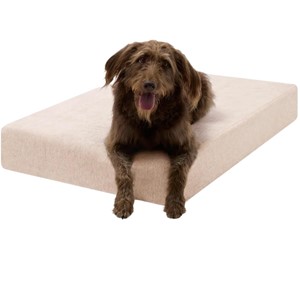
Barker Beds Orthopedic Rectangle Large Bed
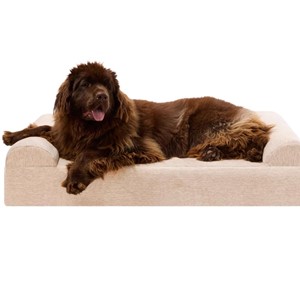
Barker Beds Orthopedic XL Sofa Bed
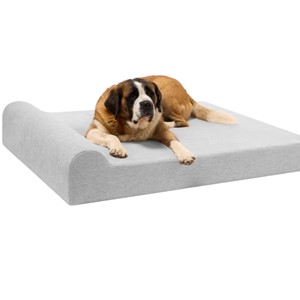
Barker Beds Orthopedic Bed Giant with Headrest
Bedsure
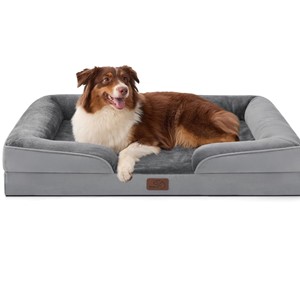
Bedsure Orthopedic Large Sofa Bed
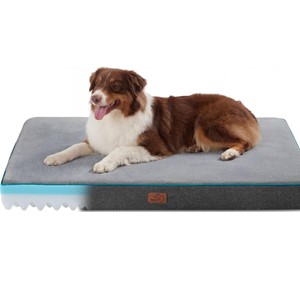
Bedsure Orthopedic Large Rectangle Bed
VEEHOO
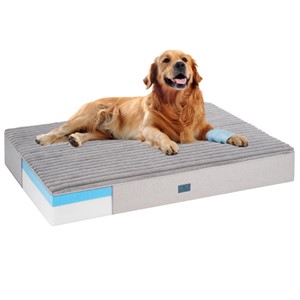
VEEHOO Orthopedic Extra Large Rectangle Bed
Best Friends by Sheri
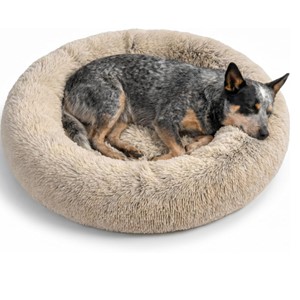
Best Friends by Sheri Medium Calming Dog Bed
K9 Ballistics
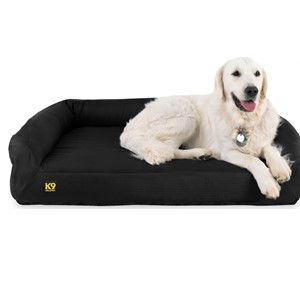
K9 Ballistics Tough Orthopedic Large Bolster Bed
Miorun Store
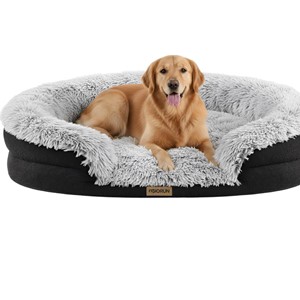
Miorun Orthopedic Large Bolster Sofa Bed
IntroductionQuick Reference TableIdeal ThicknessFoam GuidelinesArthritis TipsWhy Thickness MattersDogs WeightBest For Senior DogsDensity vs. Foam ThicknessCan A Bed Be To Thick?Sleeping PositionFloors Vs. CarpetSigns Bed Isn’t Thick EnoughChoosing The Right BedCommon MistakesFrequently Asked QuestionsKeep Factors In MindFinal RecommendationShop Orthopedic Beds