Materials Used In Making Dog Beds
Choose The Best Materials for Your Furry Friend!
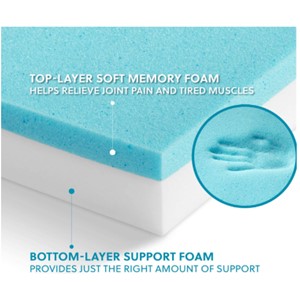
Memory Foam Used In Dog Beds
IntroductionBest MaterialsMaterials to AvoidThings to ConsiderCommon Cover MaterialsChoosing the Right MaterialsConclusionShop Dog Beds
Introduction
Materials used in making dog beds should be durable, comfortable fabrics like canvas, nylon, polyester, fleece and faux fur and covers that are chew resistant. A dog bed is more than just a place for your pet to rest it’s an essential part of their overall comfort, health, and well-being. When choosing the perfect bed for a dog, the material it’s made from plays a crucial role.
Dogs spend a significant portion of their day sleeping, so it’s important to provide them with a bed that promotes good posture, warmth, and comfort. With so many options available, dog owners often find themselves wondering which materials are best suited for their pets.
The right material for a dog bed depends on several factors, such as the dog’s breed, size, and specific health needs. Some dogs prefer a plush, soft surface, while others may benefit from a firmer bed that provides orthopedic support.
Additionally, durability, ease of cleaning, and hypoallergenic properties (an allergic reaction), are important considerations when choosing a dog bed material.
In this article, we will explore the best materials for dog beds, focusing on those that provide comfort, support, and durability.
We will also discuss the materials that should be avoided to ensure your dog gets the restful sleep they need. By understanding the materials used in dog beds, you can make an informed decision that keeps your furry friend happy and healthy.
Best Materials for Dog Beds
The best materials for dog beds vary depending on the dog’s unique needs:
- Memory Foam: Memory foam is one of the top choices for dog beds, particularly for older dogs or dogs with joint pain. It provides excellent support, evenly distributing weight and relieving pressure points. Memory foam beds conform to the dog’s body shape, making them ideal for dogs with arthritis or other orthopedic issues. When choosing memory foam, be sure the foam is CertiPUR-US certified. Just look for the logo. This ensures it is made without harmful substances like ozone depleters, heavy metals (mercury, lead), chemicals (PBDEs, TDCPP, TCEP), formaldehyde and certain flame retardants.
- Cotton: Cotton is a soft and breathable material often used for dog bed covers. It’s gentle on the skin and comfortable for dogs to sleep on. It also tends to be machine washable, making it easy to keep clean.
- Microsuede: This synthetic fabric is soft, durable, and water-resistant. It’s often used in higher-end dog beds and provides a luxurious feel without compromising on practicality. It’s also easy to clean and resistant to wear and tear.
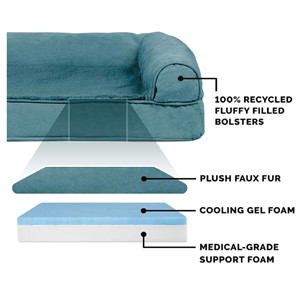
- Bolster: Many dog beds feature bolsters which are raised edges that provide extra support for dogs who like to curl up while sleeping. Bolster beds often use a mix of foam and polyester filling for added comfort. Bolsters also provides support the dog’s head and body while sleeping.
- Sherpa Fleece: Sherpa fleece is a soft, plush material often used for pet bed linings. It provides warmth and comfort, making it a great choice for colder climates or dogs who like to snuggle.
Materials Dog Owners Should Avoid
While there are many great materials out there, there are a few that dog owners should be cautious about:
- Cheap Polyester Fillings: While affordable, low-quality polyester fillings can flatten over time, losing their shape and comfort. These fillings may not offer sufficient support, especially for older or larger dogs which defeats the purpose of a dog bed.
- Synthetic Fabrics: Some synthetic fabrics, such as certain types of nylon, can cause irritation or allergic reactions in sensitive dogs. These materials can also be less breathable, causing your dog to overheat in warm conditions.
- Unwashable Covers: Dog beds with covers that are not machine washable can become a nightmare to clean. Beds that are difficult to wash can trap bacteria, dirt, and pet dander, potentially causing discomfort or health issues for your pet.
- Cheap Foam: Some dog beds use low-quality foam, which can break down quickly, offering little to no support over time. This is particularly important for dogs that need orthopedic support.
Things To Consider
-
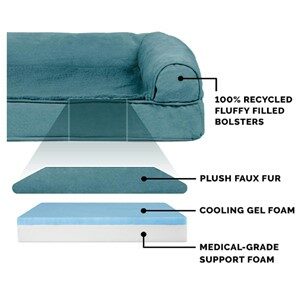
Cooling Gel Foam
Importance of Bed Size and Shape
- Size Matters: When choosing a bed, it’s essential to pick the right size for your dog. Too small a bed can make them feel cramped, while a bed that’s too large might not provide enough support. Ideally, the bed should allow your dog to stretch out comfortably, but not be so big that they feel lost in it. Measure your dog from the tip of his nose to the base of his tail and add 10 inches.
- Shape Considerations: Some dogs love to curl up in a ball, so a round or donut-shaped bed might be the best option. Others prefer to stretch out, making a rectangular or flatbed a better choice. Additionally, some beds come with bolsters or raised edges for dogs that enjoy leaning against something for extra comfort and security. This is good for dogs that like to rest their heads or body on something.
- Dog Bed Durability
- Chew-Resistant Materials: For dogs that love to chew, consider investing in a chew-resistant bed or one made with tough, durable fabrics such as heavy-duty canvas or ballistic nylon. These materials can withstand aggressive chewers better than most standard fabrics.
- Waterproof Covers: If your dog has a tendency to have accidents or gets wet frequently, a waterproof bed cover can be a lifesaver. Many high-quality dog beds come with waterproof liners to keep the bed clean and dry. Some offer replacement covers if they should get damaged.
- Eco-Friendly Dog Bed Materials
More people are becoming conscious of environmental impact, and many dog owners are seeking eco-friendly alternatives. Materials like organic cotton, recycled PET (from plastic bottles), and natural latex foam are becoming popular choices for eco-conscious consumers.
Eco-friendly dog bed materials focus on natural, recycled, and organic options like organic cotton, hemp, wool and bamboo for covers, plus fillings like plant-based latex, recycled foam, or even upcycled old clothes, reducing chemicals, water, and landfill waste for a healthier pet and planet.
IntroductionBest MaterialsMaterials to AvoidThings to ConsiderCommon Cover MaterialsChoosing the Right MaterialsConclusionShop Dog Beds
Eco-Friendly Cover Materials Include:
- Organic Cotton: Soft, breathable, durable (duck canvas), and grown without pesticides, preventing overheating.
- Hemp: Extremely strong, naturally antimicrobial, resists moisture/odors, and uses less water to grow.
- Bamboo: Breathable and soft, often blended with other fibers.
- Wool: Naturally insulating, temperature-regulating, mold/mildew resistant.
Eco-Friendly Fill Materials:
- Plant-Based Latex: From rubber trees, offering support without harsh chemicals.
- Recycled PET/Cotton: Fibers from plastic bottles or textile scraps, diverting waste from landfills.
- Coconut Coir (Coco Fiber): Firm, natural, breathable base often paired with latex or wool.
- Upcycled Textiles: Stuffing beds with old clothes, towels, or blankets reduces new material production.
Why These Matter:
- Fewer Chemicals: Avoids flame retardants, pesticides, and synthetic treatments.
- Reduced Waste: Uses recycled content or materials that break down naturally.
- Lower Carbon Footprint: Natural fibers require less energy and water, and recycled fills cut emissions.
By choosing these materials, you create a non-toxic, supportive, and environmentally kinder space for your dog.
- Health Benefits of a Good Dog Bed
- Improved Joint Health: For dogs that suffer from arthritis, hip dysplasia, or other joint-related issues, a supportive bed can provide relief. Beds with memory foam or orthopedic features help reduce pressure on the joints, preventing further damage and ensuring a good night’s sleep.
- Reduced Anxiety: Some dogs suffer from separation anxiety or general nervousness. A bed with bolstered sides can offer a sense of security, like a “den,” helping reduce anxiety. You could include a mention of “calming” beds that are designed for anxious pets.
- Climate Considerations
- Hot Climates: In warmer climates, a breathable bed made from cooling materials (such as mesh or cotton) can help prevent overheating. Some beds even have gel-infused memory foam that provides a cool surface for dogs that get too hot.
- Cold Climates: For dogs living in colder environments, a bed with extra insulation or a heated bed may be beneficial. Also, heated mats or beds with thicker padding that help keep dogs warm in chillier conditions.
- Maintenance and Care Tips
- Cleaning Tips: Regular maintenance is crucial to keeping your dog’s bed clean and hygienic. In addition to choosing a bed with a washable cover, it should be cleaned at least once a month or sooner if your dog has accidents. Check with your vet on options for shampoos to use in cleaning if your dog has sensitive skin.
- Spot Cleaning and Vacuuming: Recommend spot cleaning with pet-safe cleaners for minor messes and regularly vacuuming the bed to remove fur, dust, and dander. Cleaning on a weekly basis is recommended if he sheds a lot, has allergies, or spends significant time outdoors. Otherwise, every two weeks is fine.
- Cost vs. Quality
- Sometimes, a cheaper dog bed may seem appealing, but it can lead to more frequent replacements due to wear and tear. A high-quality, durable dog bed made with premium materials may have a higher upfront cost but can be more cost-effective in the long run because it lasts longer and provides better comfort for your dog.
- Your option is to weigh the cost of the bed against the long-term benefits and how much you can afford to spend.
- Dog Bed Brands
- Orthopedic Support: The following brands offer the highest-quality beds. Big Barker, Orvis, K9 Ballistics, PetFusion, FurHaven, K&H Pet Products, Casper, and Bully Beds.
- Chewers: The best brands are: K9 Ballistics, and Orvis Tough Chew Beds.
- Comfort & Calming: These brands are: Best Friends by Sheri, and FurHaven.
- Other High Quality Brands: K&H Pet Products, Casper, and P.L.A.Y. (pet lifestyle and you).
- Personalizing Your Dog’s Bed
- Some dog owners enjoy personalizing their pet’s bed with their name or favorite colors. Some brands offer custom dog beds that allows you to include your pet’s name and covers that conform to your home’s décor.
- How to Transition Your Dog to a New Bed
- If you’re introducing your dog to a new bed, it might take some time for them to adjust. You might use their favorite toy or treat or a shirt with your odor on it to help them acclimate to the new bed. Be patient, eventually your dog will use the bed unless it has some foul odors they can detect.
Common Cover Materials
Below are some of the common cover materials on dog beds.
Durable & Tough
- Ballistic Nylon/Ripstop Nylon: Extremely tough, chew-proof, and waterproof, ideal for aggressive chewers or outdoor use.
- Canvas/Denim: Strong, easy to clean, and resistant to wear and tear, often made from cotton.
Soft & Cozy
- Fleece/Microfiber: Plush, warm, and soft for comfort.
- Faux Fur/Suede/Sherpa: Luxurious, warm, and inviting textures.
Breathable & Natural
- Cotton/Upholstery-Grade Cotton: Soft, breathable, and natural, great for general comfort.
- Linen/Hemp: Natural, eco-friendly options.
Wipeable & Water-Resistant
- Vinyl/Faux Leather/Polyester: Water-resistant and easy to wipe clean but can cause overheating.
IntroductionBest MaterialsMaterials to AvoidThings to ConsiderCommon Cover MaterialsChoosing the Right MaterialsConclusionShop Dog Beds
Filling Materials
-

CertiPUR-US Certification Seal
Memory Foam: Excellent for orthopedic support, pressure relief, and joint pain. Look for the CertiPUR-US seal.
- Polyester Fiberfill (Poly:fill): Affordable, lightweight, and provides general plushness.
- Cedar Chips: Natural and can repel insects but may irritate some dogs.
- Latex: A natural, supportive alternative to synthetic foams.

Choosing the Right Materials
- For Chewers: Go for ballistic nylon or tough canvas. The best chew-resistant dog bed materials include ballistic nylon, heavy-duty canvas, and industrial-grade vinyl. Other durable options are ripstop polyester and high-denier nylon. For extremely aggressive chewers, consider beds with aluminum frames.
- For Seniors/Joint Pain: Memory foam is best for support.
- For Hot Dogs: Breathable cotton or cooling fabrics are ideal.
- For Easy Cleaning: Choose wipe able vinyl or removable, washable covers.
Fabric options
- A very strong and durable synthetic fabric, originally used for bulletproof vests.
- A thick and strong cotton fabric that is durable enough to withstand scratching and chewing.
- Found in some raised beds, this material is extremely resistant to teeth and claws.
- A fabric with a special reinforcing technique to prevent tearing, making it resistant to puncturing.
- A tough and tear-resistant material, often used in outdoor gear.
Other Considerations
Beds with a metal or sturdy plastic frame and a durable fabric sling, like those from Kuranda or Gorilla Dog Beds, are excellent choices as they can’t be easily chewed from underneath and are often built with the strongest materials.
For the most destructive chewers, an aluminum frame provides a nearly indestructible base for the bed.
Some brands offer specific chew-proof warranties on their beds, which can provide extra peace of mind.
Conclusion
Choosing the right materials for your dog’s bed is crucial to ensuring their comfort and well-being. A bed that is too soft may not provide the support needed for older dogs or those with joint issues, while a bed that is too firm can be uncomfortable for younger or smaller dogs.
Memory foam, for instance, has become a popular option because of its ability to contour to the dog’s body, offering orthopedic benefits for senior dogs or those suffering from arthritis. Cotton, microsuede, and sherpa fleece are also popular choices due to their softness, durability, and ease of cleaning.
It is equally important to avoid certain materials when selecting a dog bed. Low-quality polyester or foam fillings can degrade quickly, losing support and comfort. While these materials may initially appear inexpensive, they can end up costing more in the long run due to frequent replacements.
Additionally, synthetic fabrics that don’t breathe well can lead to overheating, causing discomfort for your pet, especially in warmer climates.
Moreover, dogs with sensitive skin or allergies may react negatively to certain materials. For these pets, hypoallergenic materials such as cotton or breathable fabrics are ideal.
Another factor to consider is the bed’s cover; opting for a bed with a removable, machine-washable cover ensures that you can easily maintain cleanliness and hygiene. A bed that is difficult to clean can accumulate dirt, bacteria, and pet hair, potentially leading to skin irritations or allergies.
Ultimately, selecting the right bed for your dog is about finding a balance between comfort, support, durability, and ease of maintenance.
With so many material options available, it’s important to consider your dog’s specific needs, habits, and preferences. Investing in a high-quality dog bed with the right materials will not only improve your dog’s quality of sleep but also contribute to their overall health and happiness.
Dog beds use durable, comfortable fabrics like canvas, nylon, polyester, fleece, and faux fur for covers, with memory foam, polyfill, or cedar chips for filling, chosen based on needs like chew-resistance, orthopedic support, or cooling properties, with waterproof options for easy cleaning.
Key materials include tough nylon for chewers, soft fleece for warmth, breathable cotton, and supportive memory foam for older dogs.
The best chew-resistant dog bed materials include ballistic nylon, heavy-duty canvas, and industrial-grade vinyl. Other durable options are ripstop polyester and high-denier nylon. For extremely aggressive chewers, consider beds with aluminum frames.
Remember, you are there owner and must decide which bed is best for your furry friend. Take into account their size, and health, will determine which bed to buy.
Be sure to check out the warranties of the bed you are considering before buying. Knowing this information will help you to decide on the brand to get.
Don’t forget to consider the beds durability and comfort and where you live, in a warm or cold climate and choose the best bed accordingly.
Shop Dog Beds
As an Amazon Associate, I earn from qualifying purchases. Your purchase price is the same as if you shop directly on Amazon.
The links below take you to a specific page to share information about those dog beds and a link to Amazon to place the order.