Dog Beds Buying Guide
Everything You Need to Know About Dog Beds!
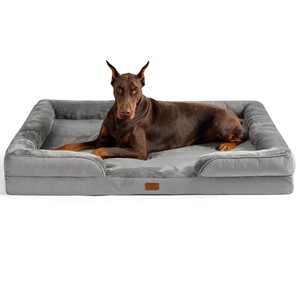
Bedsure Orthopedic XXL Bolster Dog Bed
Why Dogs Need BedsTypes of Dog BedsMaterials Used in BeddingDetermining Bed SizeDogs Health NeedsBeds for Senior DogsAcclimating Dog To Bed TipsFactors To ConsiderConclusionShop Dog Beds
Dog beds buying guide provides helpful information for new and existing dog owners to make an informed decision on which bed is best for their furry friend.
When it comes to providing comfort and support for our furry friends, a good dog bed is essential. Not only does it give your dog a cozy place to rest, but it can also contribute to their overall health and well-being. But with so many options available, how do you choose the best one for your dog?
Here’s a comprehensive guide to help you make an informed decision.
Why Dogs Need Beds
Dogs, like humans, need a comfortable and designated place to sleep and rest. While some dogs may seem content lying on the floor or a couch, providing them with their own bed can have a significant impact on their overall health, well-being, and behavior.
Here’s why dog beds are essential:
1. Comfort & Restful Sleep
Just like us, dogs need quality rest to recharge and maintain their health. A comfortable bed gives them a place to stretch out, curl up, or sleep without interruptions. A good night’s sleep is essential for:
- Energy levels: Dogs are more active and playful when well-rested. Rest allows them to stay energized throughout the day.
- Mental health: Dogs can become irritable or stressed if they don’t get enough rest. Having a quiet, comfortable space to relax helps manage anxiety.
- Behavioral well-being: A tired dog is a happier and better-behaved dog. They are less likely to engage in destructive behavior if they have a good place to sleep.
2. Joint Support & Health
The right dog bed can provide crucial support, especially for dogs with joint issues, arthritis, or other health conditions. Here’s why:
- Pressure Relief: Dogs, particularly large breeds or senior dogs, can suffer from joint pain or pressure sores if they rest on hard or cold surfaces. Orthopedic beds or those with memory foam help distribute their weight evenly and relieve pressure on sensitive joints.
- Spinal Alignment: Dogs need their spines properly aligned when they sleep. A soft, cushioned bed prevents their spine from being too rigid or over-stretched.
- Preventing Hip Dysplasia: For breeds prone to hip dysplasia, like German Shepherds or Labrador Retrievers, a supportive bed helps prevent further strain on their hips and legs.
3. Protection from the Elements
Hard floors, tiles, or cold surfaces can be uncomfortable for dogs, especially during extreme weather. A dog bed acts as a protective barrier between your dog and:
- Cold Floors: During colder months, a bed helps keep your dog warm and insulated, preventing them from getting chilled from sleeping directly on the floor.
- Hot Surfaces: In warmer weather, a cooling bed can provide your dog with a place to escape hot floors and stay cool.
- Hard Surfaces: Beds cushion their bodies from hard floors, which is especially important for older dogs or those with joint issues, preventing further discomfort or injury.
4. Security & Personal Space
Dogs are territorial animals by nature, and providing them with their own bed offers them a space they can call their own. Having their own designated area for rest promotes:
- Feelings of Safety: A personal bed gives a dog a sense of security, as they have a place to retreat when they need solitude. It becomes their safe zone where they can rest without being disturbed.
- Stress Reduction: Dogs who don’t have their own personal space may feel stressed or anxious, especially in a busy household. A bed helps them escape noise or household activity and retreat to a quiet space for peace of mind.
- Preventing Territorial Disputes: When multiple pets live in a home, having separate beds for each pet reduces the chances of disputes over space. It can be especially helpful if there are other dogs, cats, or animals in the household.
5. Hygiene & Cleanliness
A clean bed can significantly improve the overall hygiene of your home. Dogs can track dirt, mud, and debris from outside, and by providing a bed, you create a designated area for your dog to rest without soiling other parts of the house, like couches or your bed. Here’s how it helps:
- Contain Messes: Dog beds are often machine washable, allowing you to easily clean them. A bed helps contain any dirt, hair, or accidents, keeping your home cleaner.
- Odor Control: While dogs will always have their unique scent, a bed helps trap odors in one area and allows for regular cleaning, reducing odors in other parts of your home.
- Bacteria Prevention: Providing your dog with a clean, dedicated sleeping area also helps reduce exposure to bacteria or parasites that can thrive on dirty surfaces. Regularly washing the bed’s cover and filling can help maintain hygiene.
6. Promotes Healthy Skin
If your dog spends time on hard, abrasive surfaces, it could contribute to skin irritation or even pressure sores, particularly for older dogs or those with less padding on their joints. A soft, cushioned dog bed helps prevent:
- Pressure Sores: Beds provide cushioning that prevents sores caused by prolonged pressure on bony areas like elbows, hips, or knees.
- Skin Abrasions: Hard or rough surfaces can cause irritation or friction on the skin. A soft bed reduces the risk of these issues.
- Allergy Control: Some high-quality dog beds come with hypoallergenic covers and materials, helping to reduce exposure to dust mites and other allergens that can irritate your dog’s skin or cause respiratory issues.
7. Helps with Behavior & Training
A dog bed can be a helpful tool in training, especially for housebreaking or teaching your dog to stay in one place:
- Housebreaking: Puppies can be taught to sleep in their bed, which becomes their “den.” It gives them a clear sense of where to go when it’s time to sleep or relax.
- Teaching Boundaries: If your dog is allowed on the furniture, a bed provides an alternative resting place that can reduce the need for them to jump on the couch or bed. It can also serve as a positive reinforcement tool for learning where they should and shouldn’t be.
- Behavioral Reinforcement: By giving your dog a cozy, special place, you’re rewarding good behavior. They’ll associate the bed with positive experiences like rest, comfort, and security.
8. Better Sleep for You Too
Let’s not forget, your dog’s comfort also affects your own. If your dog is consistently restless on hard floors or doesn’t have a proper bed, it could disrupt your sleep as well. A dog with their own bed is less likely to seek out your bed or disrupt your space, leading to:
- More Peaceful Sleep: With your dog comfortable and settled in their own bed, you’ll likely sleep better knowing they have their own dedicated space.
- More Space for You: Providing a separate bed for your dog means more room for you to sleep comfortably without worrying about them crowding you.
Why Dogs Need BedsTypes of Dog BedsMaterials Used in BeddingDetermining Bed SizeDogs Health NeedsBeds for Senior DogsAcclimating Dog To Bed TipsFactors To ConsiderConclusionShop Dog Beds
Types of Dog Beds
Not all dog beds are created equal, and the best bed for your dog depends on their breed, size, and specific needs. Here are the most common types:
- Standard Dog Beds: These are simple, flat beds that provide basic comfort. They’re great for dogs who like to sprawl out.
- Bolster Beds: These beds have raised edges (or a bolster) around the sides, which gives your dog something to lean against. They’re perfect for dogs who like to curl up.
- Orthopedic Beds: Made with memory foam, these beds provide extra support for dogs with joint issues, arthritis, or older dogs.
- Donut or Cuddle Beds: These beds have a circular shape with high edges, creating a snug feeling. They’re ideal for dogs that like to burrow or curl up tightly.
- Elevated Beds: These are raised off the ground and are great for outdoor use or warmer climates, as they promote air circulation and keep your dog off hot or cold floors.
- Cooling Beds: These beds use moisture or specialized fabrics that naturally stay cool without refrigeration or electricity. They are activated by the dog’s body heat and work well for dogs that overheat easily. These are often the best choice for outdoor use or warmer climates.
Bedding Materials Used
The material used for the bed’s padding and cover can affect both comfort and durability. Some common materials include:
- Memory Foam: Provides excellent support, particularly for older dogs or those with joint issues. It contours to your dog’s body to relieve pressure.
- Polyester Fill: Soft and lightweight, this is commonly found in cheaper beds but may lose its shape over time.
- Cotton: A breathable, soft material often used in covers or fill. It’s gentle on your dog’s skin and relatively durable.
- Microfiber & Fleece: These fabrics are soft, cozy, and great for keeping your dog warm during cooler weather.
- Waterproof Materials: Some beds have water-resistant covers, which are great for protecting the bed from accidents or spills, especially with puppies or older dogs.
- Cool Gel: Some beds come with cooling gel inserts to regulate temperature for dogs in hotter climates or dogs with longer fur.
How to Determine Bed Size
The size of your dog’s bed is crucial to their comfort. To get it right, measure your dog from the tip of their nose to the base of their tail, and add 8 to 10 inches to ensure they have enough space to stretch out.
- Small Beds: For dogs under 15 lbs., like Chihuahuas or Dachshunds.
- Medium Beds: For dogs between 15-50 lbs., such as Cocker Spaniels or French Bulldogs.
- Large Beds: For dogs 50-100 lbs., like Labradors or Golden Retrievers.
- Extra-Large Beds: For dogs over 100 lbs., like Great Danes or Mastiffs.
You should also consider the sleeping style of your dog. Dogs that like to curl up may be okay with a slightly smaller bed, while dogs that prefer to stretch out need a larger one.
Dog Health Needs
Certain health issues can affect the type of bed your dog needs. Here are some things to keep in mind:
- Joint Problems/Arthritis: Dogs with joint pain benefit from orthopedic or memory foam beds that provide extra cushioning and support. As dogs age, this can become a health issue to look for.
- Allergies: If your dog has allergies, look for hypoallergenic materials and ensure the bed is washable to avoid dust mites or other allergens.
- Skin Sensitivity: If your dog has sensitive skin, choose a bed with soft, breathable materials like cotton or fleece.
- Weight Issues: Overweight dogs may need extra support and cushioning, especially in their joints. Orthopedic beds are a great option.
Beds for Senior Dogs
Senior dogs often have specific health issues like arthritis, hip dysplasia, or incontinence, and their bed needs to reflect that. Here are some features to look for:
- Orthopedic Support: A bed with orthopedic memory foam or high-density foam provides better cushioning for their joints and bones. The foam conforms to the dog’s body, offering support that can help their quality of sleep.
- Easy Access: Older dogs may have trouble climbing into a high bed. Look for one with low sides or a ramp for easy access.
- Waterproof or Washable Covers: Accidents happen more often with senior dogs, so waterproof or washable covers are essential.
- Temperature Regulation: Older dogs can be more sensitive to temperature, so beds that provide cooling or heating features might be helpful.
- Bolsters: Beds with bolsters provide dog’s additional support for their head and neck. This is great for dogs that like to elevate their head while sleeping.
- Size and Thickness: Be sure the bed has sufficient space to support them when stretching out to prevent your dog from being cramped and thick enough so they don’t sag to the bottom of the floor.
Tips for Helping Your Dog Acclimate to Their New Bed
Some dogs may be hesitant to use a new bed. Here are some tips to help them adjust:
- Make It Familiar: Place their bed in a familiar spot, like their favorite resting area. Put a blanket or item with their scent on it to help them feel more comfortable.
- Low Traffic Area: Place the bed in a low traffic area of the house or apartment. Dogs need their own space to call their own without any interruption.
- Positive Reinforcement: Encourage your dog to use the bed with treats, praise, or toys. Reward them when they lie down on it.
- Consistency: Be patient and consistent in encouraging them to use their bed. Don’t force them, but gently guide them to associate it with comfort.
- Scent Marking: Sometimes, dogs won’t use a bed if it smells unfamiliar. You can try rubbing your dog’s bedding or a worn shirt on the bed to help them feel it’s a safe space.
Why Dogs Need BedsTypes of Dog BedsMaterials Used in BeddingDetermining Bed SizeDogs Health NeedsBeds for Senior DogsAcclimating Dog To Bed TipsFactors To ConsiderConclusionShop Dog Beds
Other Factors to Consider
- Durability: Consider how long the bed will last, especially if your dog is a chewer or likes to dig at their bed. Some beds are designed with extra durable materials to handle rough use.
- Ease of Cleaning: Make sure the bed has a removable, washable cover. A clean bed is essential for your dog’s health.
- Outdoor vs. Indoor: If your dog spends time outdoors, look for a bed that’s weather-resistant or specifically designed for outdoor use.
- Style & Aesthetics: While your dog’s comfort is the priority, a bed that matches your home’s décor can be an added bonus.
- Design and Special Features: Consider how the bed’s design and color fit with your décor to ensure compatibility. There is a wide variety of designs available to choose one that best fits the living space. Some beds have handles for easy transportation, waterproof liners, and removable bed covers for easy cleaning.
- Assembly: Check if the bed requires any assembly and if it does, how easy is it to put together. Some beds can be used straight out of the box while others require some assembly especially elevated beds.
- Maintenance: Scan customer reviews or the product information for the bed’s condition after washing. Some fabrics and materials lose their softness or comfortability after many machine washes. Look for beds that offer replacement covers which can extend the life of the bed after long use.
Conclusion
Choosing the right dog bed is more than just about looks; it’s about ensuring your dog’s comfort, health, and well-being. This is where the dog beds buying guide can help.
Consider your dog’s age, size, and any specific health needs to find the bed that works best for them. Whether it’s a cozy bolster bed or a supportive orthopedic mattress, investing in the right bed will improve your dog’s quality of life and provide them with a safe, restful space to call their own.
Having your furry friend to use the bed may take some time for them to get used to. Using their favorite treat or toy can be helpful for them to start using the bed.
Some beds may emit an odor that may not be noticeable to humans, but dogs with their great sense of smell, may reject using the bed.
Some dogs can be very aggressive in their chewing, digging, or scratching. If your dog shows any of these tendencies, look for beds that are chew-resistant or chew-proof.
Check out our article on chew-resistant dog beds by clicking on the link.
Shop Dog Beds
As an Amazon Associate, I earn from qualifying purchases. Your purchase price is the same as if you shop directly on Amazon.
The price at time of publish is included below to give you an idea of what the price is; however, it is subject to change.
The links below take you to a specific page to share information about those dog beds and a link to Amazon to place the order.
- Orthopedic Small Dog Beds
- Medium Dog Beds
- Orthopedic Bolster Beds
- Rectangular Orthopedic Dog Beds
- Small Dog Beds
- Extra Small Dog Beds
- Large Dog Beds
- Jumbo Dog Beds
- Extra Large Dog Beds