Best Dog Beds for Anxious Dogs
Treat Your Anxious Dog with A Bed!
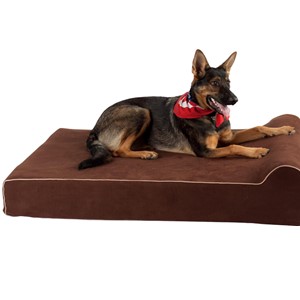
Bully Beds Orthopedic Rectangle Bed with Headrest
IntroductionCauses of AnxietyHow Beds Reduce AnxietyFeatures To Look ForTypes of Dog BedsBeds for Anxiety SituationsChoosing the Right SizeTipsCommon MistakesFrequently Asked QuestionsFinal ThoughtsShop Calming ChewsDisclaimer
Introduction
The Best Dog Beds for Anxious Dogs provides tips on the effect of anxiety in dogs, ranging from barking too much to having trouble sleeping.
Dogs may experience anxiety during storms or when separated, but some dogs have trouble due to age-related issues, travel, or being in an environment they are not used to. Similar to humans, dogs require a safe place to rest and feel comfortable.
The right dog bed can make a meaningful difference in helping anxious dogs feel calmer and more comfortable. Supportive memory foam, soft calming fabrics, raised bolsters, and cozy designs can help reduce stress, encourage deeper sleep, and create a sense of safety throughout the day and night. A well-designed bed not only improves comfort but can also become a trusted retreat for dogs dealing with anxiety.
In this article, you’ll discover the best types of dog beds for anxious dogs, the most important features to look for, and tips for choosing the perfect bed based on your dog’s size, sleeping style, and anxiety triggers.
Whether you have a nervous puppy, a senior dog, or a rescue pet adjusting to a new home, this article will help you find a calming sleep solution that supports better rest and overall well-being.
What Causes Anxiety in Dogs?
Below are some reasons that can cause anxiety in dogs.
Separation Anxiety
- Separation anxiety is one of the most common forms of anxiety in dogs.
- Dogs with separation anxiety often become stressed when left alone or separated from their owners for extended periods.
- This can lead to behaviors such as whining, barking, pacing, chewing furniture, scratching doors, or having accidents indoors.
- Because these dogs crave comfort and security, a calming dog bed can provide a familiar resting place that helps them feel safer and more relaxed while alone.
Loud Noises and Storms
- Many dogs are highly sensitive to loud sounds such as thunderstorms, fireworks, construction noise, or even household appliances.
- Sudden noises can trigger fear responses that cause trembling, hiding, panting, or restlessness.
- During stressful events, dogs naturally seek out enclosed, soft, and secure spaces where they feel protected.
- Beds with raised sides, plush materials, or cave-like designs can help create a calming environment that reduces stress during noisy situations.
Aging and Cognitive Changes
- As dogs get older, they may experience cognitive decline, confusion, or increased anxiety similar to dementia in humans.
- Senior dogs can become more restless at night, easily startled, or uncomfortable due to joint pain and reduced mobility.
- Anxiety caused by aging is often made worse by physical discomfort and disrupted sleep.
- Orthopedic dog beds with supportive memory foam can help relieve pressure on joints while providing a stable and comforting place for older dogs to rest peacefully.
New Environments or Travel
- Changes in routine or environment can make many dogs feel nervous and unsettled.
- Moving to a new home, staying in unfamiliar places, traveling in cars, or visiting busy areas may create stress because dogs rely heavily on familiarity and routine.
- Bringing along a comfortable dog bed that smells familiar can help reduce anxiety and provide a sense of consistency wherever the dog goes.
- Familiar bedding can make transitions smoother and help dogs settle more quickly into new surroundings.
Rescue Dogs and Trauma
- Rescue dogs and dogs with difficult past experiences may carry emotional trauma that contributes to ongoing anxiety and fearfulness.
- Dogs who have experienced neglect, abandonment, abuse, or frequent changes in homes often need extra patience and reassurance while adjusting to a new environment.
- A soft, secure, and calming dog bed can become an important safe space where rescue dogs feel protected as they build trust and confidence over time.
How a Dog Bed Can Help Reduce Anxiety
Creates a Safe Space
- Anxious dogs often look for quiet and comfortable places where they feel protected from stress and overstimulation.
- A well-designed dog bed gives them a dedicated space they can associate with safety and relaxation.
- Beds with raised edges, calming shapes, or enclosed designs help create a cozy retreat where dogs can rest peacefully during stressful situations such as loud noises, separation, or unfamiliar visitors.
- Having a consistent safe space can help reduce nervous behaviors and give dogs a greater sense of comfort throughout the day.
Provides Gentle Support and Comfort
- Comfort plays an important role in helping anxious dogs relax both physically and emotionally.
- Soft plush materials and supportive cushioning help relieve pressure on joints and muscles, allowing dogs to settle down more easily.
- Orthopedic memory foam beds are especially beneficial for senior dogs or dogs with discomfort that may contribute to stress and restlessness.
- When dogs feel physically supported and comfortable, they are more likely to remain calm and rest for longer periods.
Helps Dogs Sleep Better
- Poor sleep can increase anxiety and make dogs more irritable or restless.
- A calming dog bed encourages deeper and more consistent sleep by providing warmth, softness, and proper support.
- Dogs that sleep well are often better able to manage stress and maintain calmer behavior during the day.
- Features such as memory foam, soft fabrics, and bolstered sides can help dogs relax enough to fall asleep faster and stay asleep longer, improving their overall well-being.
Mimics the Feeling of Security
- Many calming dog beds are designed to recreate the feeling of warmth and protection that dogs naturally seek.
- Donut-shaped beds, raised bolsters, and hooded designs can mimic the comforting sensation of being cuddled or sheltered.
- This feeling of security can help lower stress levels, especially for dogs that are nervous, fearful, or prone to separation anxiety.
- By surrounding the dog with soft supportive materials, calming beds help create an environment that feels soothing and reassuring.
IntroductionCauses of AnxietyHow Beds Reduce AnxietyFeatures To Look ForTypes of Dog BedsBeds for Anxiety SituationsChoosing the Right SizeTipsCommon MistakesFrequently Asked QuestionsFinal ThoughtsShop Calming ChewsDisclaimer
Key Features to Look for in Beds for Anxious Dogs
Calming Donut Shape
- Donut-shaped dog beds are one of the most popular options for anxious dogs because their round design encourages curling up, which is a natural sleeping position that helps dogs feel protected.
- The circular shape surrounds the dog with soft cushioning, creating a cozy environment that promotes relaxation and emotional comfort.
- Many anxious dogs instinctively seek enclosed or nest-like spaces, making donut beds especially effective for reducing stress and encouraging restful sleep.
Raised Bolsters for Security
- Beds with raised bolsters or supportive sides provide dogs with a stronger sense of safety and protection.
- The elevated edges create a comforting boundary that allows dogs to lean, rest their heads, or curl against the sides while sleeping.
- This enclosed feeling can help anxious dogs feel more secure during stressful situations such as thunderstorms, fireworks, or periods of separation.
- Bolstered beds also add extra neck and head support for improved comfort.
Orthopedic Memory Foam
- Orthopedic memory foam helps distribute body weight evenly and reduces pressure on joints, muscles, and hips.
- This feature is especially valuable for senior dogs, large breeds, or dogs with arthritis and mobility issues that may contribute to anxiety and restlessness.
- A supportive orthopedic bed can improve sleep quality by reducing discomfort and helping dogs fully relax.
- Better physical comfort often leads to calmer behavior and less nighttime anxiety.
Soft, Plush Fabrics
- Soft and plush fabrics create a soothing surface that helps dogs feel warm, calm, and comfortable.
- Materials such as faux fur, Sherpa, and ultra-soft fleece mimic the feeling of cuddling and provide gentle sensory comfort that can help reduce stress.
- Many anxious dogs are naturally drawn to soft textures because they create a more secure and relaxing sleeping environment.
- Plush fabrics also encourage dogs to settle down and rest for longer periods.
Non-Slip Bottoms
- A non-slip bottom helps keep the dog bed securely in place, especially on hardwood, tile, or laminate flooring.
- Beds that slide around can make nervous dogs feel unstable or uncomfortable when getting in and out.
- A stable bed creates a more predictable and secure environment, which is important for anxious dogs that are sensitive to sudden movement or unfamiliar sensations.
- Non-slip bases are also helpful for older dogs with mobility challenges.
Washable Covers
- Anxious dogs may shed more, drool, track dirt indoors, or have occasional accidents caused by stress.
- Washable covers make it easier to keep the bed clean, fresh, and free from odors that can build up over time.
- Clean bedding not only improves hygiene but also helps maintain a calming and inviting sleep space for the dog.
- Removable machine-washable covers are especially convenient for pet owners looking for easy maintenance and long-lasting comfort.
Durable Construction
- Durability is an important feature for anxious dogs that may scratch, dig, or chew their beds as part of stress-related behaviors.
- High-quality materials and strong stitching help the bed maintain its shape and support even with daily use.
- A durable dog bed provides long-term comfort and prevents flattening or damage that could reduce its calming benefits over time.
- Investing in a well-constructed bed ensures dogs continue to have a reliable and secure place to rest.
Best Types of Dog Beds for Anxiety
Donut Dog Beds
- Donut dog beds are one of the most effective options for anxious dogs because their round, cushioned design creates a cozy and secure sleeping environment.
- The raised edges surround the dog with soft support, encouraging natural curling and nesting behaviors that help many dogs feel calm and protected.
- These beds are especially helpful for dogs with separation anxiety or noise sensitivity because they provide warmth, comfort, and a sense of enclosure that can reduce stress and encourage deeper sleep.
Cave or Hooded Beds
- Cave and hooded dog beds are designed for dogs that prefer enclosed spaces when they feel nervous or overwhelmed.
- The covered top creates a den-like environment that blocks out excess light, noise, and distractions, helping dogs feel safer and more relaxed.
- These beds are ideal for shy dogs, rescue dogs, and pets that naturally hide during thunderstorms or stressful situations.
- The enclosed structure also helps retain warmth, making the bed feel even more comforting and secure.
Orthopedic Calming Beds
- Orthopedic calming beds combine anxiety-reducing features with supportive memory foam that helps relieve pressure on joints and muscles.
- These beds are especially beneficial for senior dogs, large breeds, or dogs with arthritis and mobility issues that may contribute to restlessness or discomfort.
- Many orthopedic calming beds also include raised bolsters and plush fabrics, giving dogs both physical support and emotional comfort.
- By improving body support and sleep quality, orthopedic beds can help anxious dogs feel more relaxed throughout the day and night.
Crate-Compatible Beds
- Crate-compatible beds are designed to fit securely inside dog crates, helping transform the crate into a calm and comfortable retreat.
- Since many dogs naturally view crates as safe spaces, adding a soft supportive bed can make the environment even more relaxing and inviting.
- These beds are particularly useful for dogs with separation anxiety or dogs in training because they encourage calm resting behavior while providing comfort and familiarity.
- Durable materials and non-slip bottoms are especially important for crate beds to ensure long-lasting use and stability.
Heated Dog Beds
- Heated dog beds provide gentle warmth that can help soothe anxious dogs and promote relaxation.
- Warmth naturally creates a comforting sensation that helps many dogs settle down more easily, especially during cold weather, thunderstorms, or stressful situations.
- Heated beds are also beneficial for older dogs with joint stiffness or muscle discomfort, as the added warmth can improve comfort and sleep quality.
- Some heated beds use self-warming materials that reflect the dog’s body heat, while others include low-level electric heating elements for consistent warmth and coziness.
IntroductionCauses of AnxietyHow Beds Reduce AnxietyFeatures To Look ForTypes of Dog BedsBeds for Anxiety SituationsChoosing the Right SizeTipsCommon MistakesFrequently Asked QuestionsFinal ThoughtsShop Calming ChewsDisclaimer
</div<
Best Dog Beds for Different Anxiety Situations
Best for Separation Anxiety
Dogs with separation anxiety often feel stressed or unsettled when left alone, so the best beds for this situation are calming donut beds or bolstered beds that create a cozy and secure environment. These beds help dogs feel surrounded and comforted, which can reduce nervous behaviors such as pacing or whining. Soft plush materials and raised edges provide a sense of security that encourages relaxation while owners are away. Placing the bed in a quiet area with familiar scents, toys, or blankets can make the space even more reassuring for anxious dogs.
Best for Senior Dogs with Anxiety
Senior dogs dealing with anxiety often benefit most from orthopedic calming beds that combine emotional comfort with strong physical support. Aging dogs may experience joint pain, stiffness, or cognitive changes that make it harder for them to relax and sleep comfortably. Orthopedic memory foam helps relieve pressure on aging joints while soft bolsters and plush fabrics create a calming resting place. Beds with easy access and supportive cushioning can improve sleep quality and help older dogs feel more secure throughout the day and night.
Best for Thunderstorm Anxiety
Dogs that become fearful during thunderstorms or fireworks usually feel safest in enclosed or heavily cushioned beds. Cave-style beds, hooded beds, and donut beds with raised sides can help block out noise and create a den-like environment where dogs feel protected. Thick plush fabrics and calming shapes can reduce overstimulation and provide comfort during stressful events. Positioning the bed in a quiet room away from windows can further help minimize fear and create a more peaceful retreat during storms.
Best for Small Anxious Dogs
Small dogs often prefer beds that make them feel enclosed and protected, such as donut beds or cave beds with soft walls and plush interiors. Because smaller breeds naturally seek warmth and closeness, beds with deep cushioning and raised edges can help them feel safer and more relaxed. Lightweight calming beds are also easy to move around the home, allowing small dogs to stay close to their owners while still having a secure resting space of their own. Soft fabrics and self-warming materials can add extra comfort for nervous small breeds.
Best for Large Breed Dogs
Large breed dogs need calming beds that provide both emotional comfort and strong physical support. Orthopedic memory foam beds with durable construction are ideal because they help support heavier body weight while reducing pressure on joints and muscles. Large dogs also benefit from spacious beds with raised bolsters that allow them to stretch out while still feeling secure. A high-quality calming bed designed for large breeds can improve sleep, reduce restlessness, and create a stable resting space that helps anxious dogs feel more at ease.
How to Choose the Right Size Bed
Measuring Your Dog Properly
- Choosing the correct bed size starts with properly measuring your dog. Measure your dog from the tip of the nose to the base of the tail while they are lying down in their natural sleeping position.
- Then add several extra inches to ensure there is enough room for comfortable movement and stretching.
- It is also important to consider your dog’s weight and body shape when selecting a bed.
- A properly sized bed helps anxious dogs feel supported and secure without feeling cramped or exposed.
Sleeping Positions to Consider
- A dog’s favorite sleeping position can help determine the best bed shape and size.
- Dogs that like to curl up often feel most comfortable in donut or bolstered beds that create a snug and secure environment.
- Dogs that stretch out while sleeping usually need larger rectangular beds with plenty of open space and supportive cushioning.
- Some anxious dogs may switch between sleeping positions depending on their stress levels, so choosing a bed that offers both comfort and flexibility can help improve relaxation and sleep quality.
When to Size Up
- If your dog is between sizes, sizing up is usually the better option.
- A slightly larger bed gives dogs more freedom to move, stretch, and change positions comfortably throughout the night.
- Larger beds can also accommodate blankets, favorite toys, or extra cushioning that may help anxious dogs feel calmer.
- For growing puppies or large breeds that enjoy stretching out, choosing a larger bed can provide better long-term comfort and prevent the need for frequent replacements.
Tips to Make an Anxious Dog More Comfortable
1. Create a Calm Sleeping Area
- Anxious dogs often feel more relaxed when they have a quiet and peaceful place to rest.
- Placing the dog bed in a calm area away from loud noises, heavy foot traffic, or bright lights can help reduce stress and overstimulation.
- Many dogs feel safest in a consistent location where they can rest undisturbed throughout the day.
- Adding soft lighting, calming music, or keeping the space at a comfortable temperature can also help create a soothing environment that encourages relaxation and better sleep.
2. Use Familiar Blankets or Toys
- Familiar scents can provide strong emotional comfort for anxious dogs.
- Placing a favorite blanket, toy, or an item that smells like their owner on the bed can help the dog feel safer and more secure.
- These familiar objects create a sense of routine and reassurance, especially during stressful situations such as travel, thunderstorms, or time spent alone.
- For rescue dogs or dogs adjusting to a new environment, familiar items can make the bed feel more welcoming and comforting.
3. Keep a Consistent Routine
- Dogs thrive on routine, and predictable daily habits can help reduce anxiety and nervous behavior.
- Feeding, walks, playtime, and bedtime should happen at consistent times whenever possible.
- A regular routine helps dogs know what to expect, which can create a greater sense of stability and security.
- Encouraging your dog to rest on their bed during quiet times each day can also help strengthen positive associations with the space and make it part of their normal comfort routine.
4. Pair the Bed with Positive Reinforcement
- Helping a dog build positive feelings toward their bed can make it a trusted safe space over time.
- Rewarding your dog with treats, praise, or gentle affection when they choose to relax on the bed encourages them to associate the space with comfort and safety.
- You can also place toys or calming chews on the bed to create positive experiences.
- Avoid forcing an anxious dog onto the bed, as allowing them to approach it naturally helps build trust and long-term comfort.
Common Mistakes to Avoid
Choosing the Wrong Size
- One of the most common mistakes pet owners make is selecting a bed that is either too small or unnecessarily large for their dog.
- A bed that is too small can make anxious dogs feel cramped and uncomfortable, while one that is too large may not provide the sense of security they need to relax.
- Proper sizing should allow your dog to stretch out comfortably while still feeling supported and enclosed enough to feel safe.
- Taking the time to measure your dog and consider their sleeping style helps avoid this issue.
Ignoring Support Needs
- Focusing only on appearance without considering physical support can lead to long-term discomfort for your dog.
- Many anxious dogs also have underlying issues such as joint pain, stiffness, or muscle tension that can make it harder for them to relax.
- Beds without proper support may worsen discomfort and increase restlessness.
- Choosing options like orthopedic memory foam or supportive bolsters ensures your dog’s body is properly aligned, helping reduce both physical strain and anxiety.
Picking Style Over Comfort
- While it can be tempting to choose a bed based on design or how it fits your home décor, comfort should always come first especially for anxious dogs.
- A stylish bed that lacks soft cushioning, security features, or proper support may not meet your dog’s emotional and physical needs.
- Dogs rely on comfort and familiarity more than appearance, so prioritizing calming features like plush fabrics, raised edges, and supportive filling will make a much bigger difference in their overall well-being.
Buying Low-Quality Materials
- Low-quality materials may seem like a budget-friendly option, but they often wear out quickly and fail to provide proper comfort or support.
- Cheap fabrics can flatten easily, lose shape, or become uncomfortable over time, which can increase stress for anxious dogs.
- Poor construction may also lead to loosen seams or uneven filling, reducing the calming effect of the bed.
- Investing in durable, high-quality materials ensures long-lasting comfort, better hygiene, and a more secure resting space for your dog.
IntroductionCauses of AnxietyHow Beds Reduce AnxietyFeatures To Look ForTypes of Dog BedsBeds for Anxiety SituationsChoosing the Right SizeTipsCommon MistakesFrequently Asked QuestionsFinal ThoughtsShop Calming ChewsDisclaimer
Frequently Asked Questions
Do Calming Dog Beds Actually Work?
- Calming dog beds can help many dogs feel more relaxed, especially those with mild to moderate anxiety.
- They are designed with soft materials, raised edges, and cozy shapes that create a sense of security, which can reduce stress and encourage rest.
- However, they are not a cure for severe anxiety and work best as part of a broader routine that may include training, routine, and reassurance.
Are Donut Beds Good for Anxious Dogs?
- Yes, donut beds are often a great choice for anxious dogs because their circular, nest-like design helps dogs curl up in a naturally comforting position.
- The raised sides provide a feeling of enclosure and protection, which can help reduce stress and promote deeper sleep.
- Many dogs instinctively gravitate toward this shape because it mimics a safe, sheltered space.
What Is the Best Material for Calming Dog Beds?
- The best calming dog beds typically use soft, plush fabrics such as faux fur or sherpa, which help create a warm and soothing surface.
- Inside, supportive filling like high-quality polyester fiber or memory foam is ideal because it balances comfort with pressure relief.
- A combination of plush outer materials and supportive inner structure provides both emotional comfort and physical support for anxious dogs.
Can Orthopedic Beds Help Anxious Senior Dogs?
- Yes, orthopedic beds can be especially helpful for senior dogs with anxiety. Many older dogs experience joint pain or stiffness, which can increase restlessness and stress.
- Orthopedic memory foam helps reduce pressure on joints and improves overall comfort, allowing dogs to relax more easily and sleep better.
- When physical discomfort is reduced, anxiety often becomes easier to manage as well.
How Often Should Dog Beds Be Cleaned?
- Dog beds should generally be cleaned every 1–2 weeks, depending on how often they are used and how much the dog sheds or gets dirty.
- Regular washing helps remove odors, allergens, and dirt that can build up over time and affect your dog’s comfort.
- Beds with removable, machine-washable covers make this much easier and help maintain a fresh, calming sleep environment for your dog.
Final Thoughts
Creating a comfortable and secure resting space plays a vital role in helping anxious dogs feel calmer and more balanced. The right bed can provide more than just a place to sleep it can offer emotional reassurance, physical support, and a sense of safety during stressful moments.
Whether your dog struggles with separation anxiety, noise sensitivity, or general nervousness, a thoughtfully chosen bed can make a meaningful difference in their overall well-being.
When selecting a bed, it’s important to consider your dog’s individual behavior, personality, and sleeping style. Some dogs feel most secure when curled up in a snug, bolstered space, while others prefer to stretch out on supportive orthopedic cushioning.
Paying attention to these preferences ensures you choose a bed that truly matches your dog’s needs, helping them relax more easily and sleep more soundly.
If you’re ready to help your dog, feel more comfortable and secure, explore our luxury calming dog bed collection designed with both comfort and style in mind. From plush donut beds to supportive orthopedic designs, you’ll find options crafted to help your dog rest better, feel safer, and enjoy a more peaceful everyday life.
Shop Anxiety Supplements for Dogs
As an Amazon Associate, I earn from qualifying purchases. Your purchase price is the same as if you shop directly on Amazon.
The price at time of publish is included below to give you an idea of what the price is; however, it is subject to change.
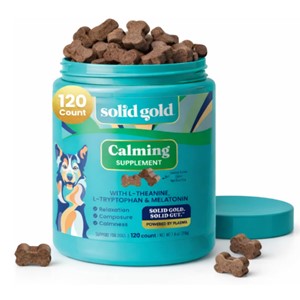
Solid Gold Calming Chews

Purina Pro Plan Calming Supplement

Furland Hemp Calming Chews

TTLXRL Calming Chews

POPPAW Calming Chews
Disclaimer
- Always consult your veterinarian before adding any new supplement to your dog’s diet, particularly if your dog is already taking medication, is pregnant, or has pre-existing health conditions.
- This product is a supplement designed to support a calm demeanor and is not intended to diagnose, treat, cure, or prevent any disease or severe anxiety disorder.
- While many dogs experience reduced stress, individual reactions can vary. Some dogs may experience side effects such as drowsiness, lethargy, or gastrointestinal upset (vomiting/diarrhea).
- Behavioral Limitations:Supplements are most effective when used in conjunction with behavioral training and environmental management. They may not replace professional behavioral advice.
- Safety Warning:Ensure the product is specifically formulated for pets. Keep out of reach of children and other pets to avoid accidental ingestion.