Puppy Proofing Your House
Making House Safe For New Puppy!
Puppies Like A Safe Place To Roam!
Introduction
Puppy proofing your home is one of the most important things you can do before bringing your puppy home. Congratulations on bringing a new puppy into your family. Your house now plays an important role as you make preparations for a safe environment for new family member. Puppies have lots of energy and are very curious so getting your house ready for his arrival must be thorough. As you may have lots of stuff exposed to his curious mind.
First and foremost, your new puppy does not know what he can and cannot do. He must be trained to perform the proper behaviors you want him to do. This will take time and patience on both you and your pet. Training him will take on a huge priority of your daily routine.
Your pet will need to get acclimated to their surroundings and his owner. I know that this can be very challenging. Right now, everyone is excited about the new arrival.
This article will help you to prepare your house or apartment on the inside for the arrival of a new puppy or dog. We also have included a section on the outside or yard.
Video – New Puppy Preparation
A short video on what new dog owners need to do for new puppy.
Why Puppy Proofing Matters
Bringing home a new puppy is an exciting experience, but it also comes with new responsibilities. Puppies are naturally curious and explore their surroundings by sniffing, chewing, and tasting almost everything they find. Unfortunately, many everyday household items that seem harmless to us can pose serious risks to a young dog.
Puppy proofing your home helps prevent accidents, injuries, and costly emergency veterinary visits. It also protects your belongings from being chewed or damaged while your puppy is learning what is and isn’t acceptable. By removing hazards before your puppy arrives, you’ll create a safe environment where they can explore, play, and learn with confidence.
Remember that puppies don’t know the rules of your home. It is your responsibility to guide them by creating safe spaces, supervising their activities, and rewarding good behavior. A little preparation today can save you a great deal of stress later.
Puppy Proofing Checklist for Every Room
The easiest way to puppy proof your home is to inspect each room from your puppy’s point of view. Get down on your hands and knees and look for anything within reach that could be chewed, swallowed, or knocked over. Keep in mind that puppies can jump higher and reach farther than you might expect as they grow.
As you move through each room, make sure you:
- Secure electrical cords with cord covers or hide them behind furniture.
- Remove medications, vitamins, and supplements from low tables and countertops.
- Store household cleaners and chemicals in locked cabinets.
- Pick up shoes, socks, children’s toys, and other items your puppy may chew.
- Keep trash cans covered with secure-fitting lids.
- Remove small objects that could become choking hazards.
- Keep toxic foods and poisonous houseplants well out of reach.
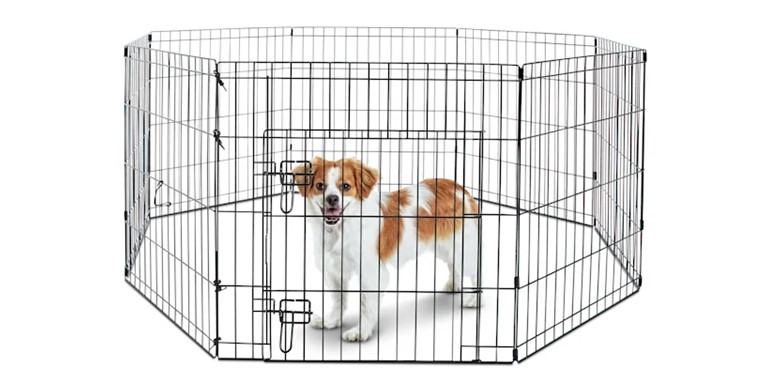
- Block access to unsafe areas with baby gates or exercise pens.
- Close doors to rooms that haven’t been puppy proofed yet.
Taking a few minutes to inspect each room before bringing your puppy home can prevent many common accidents.
Kitchen Safety
The kitchen is one of the most dangerous rooms for a puppy because it contains food, cleaning products, trash, and sharp objects. Curious puppies are attracted to interesting smells and can quickly get into trouble if dangerous items are left within reach.
Keep all food stored securely in cabinets or containers, especially chocolate, onions, grapes, raisins, xylitol-containing products, and other foods that are toxic to dogs. Never leave food unattended on countertops or tables where an adventurous puppy may be tempted to investigate.
Store knives and other sharp utensils safely and keep cleaning products locked away in cabinets. Trash cans should always have tight-fitting lids to prevent your puppy from digging through garbage that may contain spoiled food or dangerous items such as cooked bones.
When cooking, be mindful of hot pans, boiling water, and open oven doors. Keeping your puppy out of the kitchen during meal preparation can help prevent burns and other accidents.
Living Room Safety
Your living room is often where your puppy will spend the most time with the family, making it important to remove common hazards while still allowing space for play and relaxation.
Secure television, computer, and lamp cords to prevent chewing. Remove remote controls, charging cables, eyeglasses, candles, and decorative items from low tables where curious puppies can easily reach them. Small decorations, batteries, and children’s toys should also be kept safely out of reach.
Houseplants should be checked to make sure they are safe for dogs. If you have toxic plants, remove them or place them where your puppy cannot access them.
Providing appropriate chew toys in the living room helps redirect your puppy’s natural chewing instincts away from furniture, shoes, and other household items.
Bedroom Safety
Bedrooms often contain many tempting objects for puppies, including shoes, clothing, jewelry, electrical cords, and medications. Keeping these items put away will help prevent destructive chewing and accidental poisoning.
Store medications, vitamins, cosmetics, and personal care products inside drawers or cabinets. Puppies can easily chew through pill bottles, which can result in a life-threatening emergency.
Keep laundry off the floor, especially socks and underwear, as these are common items swallowed by puppies and may cause intestinal blockages that require surgery.
If your puppy will be sleeping in a crate, place it in a quiet area of the bedroom or another comfortable location where they feel safe and secure. A consistent sleeping area also helps establish healthy bedtime routines.
Bathroom Safety
Bathrooms contain several hazards that are often overlooked when puppy proofing a home. Medications, cleaning supplies, razors, cosmetics, and personal hygiene products should all be stored securely in cabinets.
Always keep the toilet lid closed. Besides drinking toilet water, puppies may be exposed to harmful toilet bowl cleaners that can cause poisoning or stomach irritation.
Keep trash cans covered since they often contain dental floss, cotton swabs, tissues, and other items that can be swallowed. Towels and bathmats should also be hung up to discourage chewing.
When using cleaning products, allow the floor to dry completely before allowing your puppy back into the room.
Laundry Room Safety
Laundry rooms contain several products that can be dangerous to puppies if swallowed. Laundry detergent, bleach, fabric softeners, stain removers, and dryer sheets should always be stored in high cabinets or behind locked doors.
Keep washer and dryer doors closed whenever they are not in use. Curious puppies may climb inside appliances while exploring.
Pick up loose socks, dryer sheets, and clothing from the floor to reduce the risk of chewing or swallowing these items. If you use laundry pods, store them in their original child-resistant container well out of your puppy’s reach, as they contain concentrated chemicals that can be extremely harmful if punctured.
By keeping your laundry room organized and limiting your puppy’s access, you can greatly reduce the chances of accidental poisoning or injury.
Puppy Proofing Indoors
Below is a list of things you need to do that makes the arrival of your new puppy or dog to be trouble free.
- Secure electrical cords. Puppies naturally chew while teething, and electrical cords can cause severe burns or electrocution. Use cord covers or hide cords behind furniture whenever possible.
- Keep cleaning supplies in secured cabinets. When using them be sure puppy is out of the area as the vapors may be harmful to him from the chemicals.
- Pick everything up you don’t want chewed or destroyed. Puppy doesn’t know the rules yet, so everything is fair game to him. So, keep shoes, socks, purses, gym bags, backpacks and keys out of reach.
- Put all medications away in a safe place. Do not leave out medications on nightstand, coffee table, low tables, bathroom counters, so puppy cannot get into them.
- Keep all toilet lids closed. So puppy won’t drink the water especially if it contains a flush cleaner which can be harmful.
- Keep doors and windows closed. This will keep puppy from escaping or falling out. Secure the cords that raise the blinds to prevent them from getting caught in puppy’s neck.
- Avoid feeding him table scraps. Do not get tempted to feed your pet table scraps. It’s not healthy for him and some foods are poisonous to dogs. Only feed him his kibble or treats.
- Put away small items that can be choking hazards. This includes coins, paper clips, rubber bands, and jewelry.
- Keep sharp objects out of reach. These include sewing needles, scissors, knives, razors and tools.
- Secure all trashcans. Be sure all trashcans have lids on them, so puppy won’t be tempted to investigate the trash. Garbage emits odors which attract puppies. Some foods are harmful to dogs or upset their tummy.
- Remove all poisonous house plants. Some house plants are dangerous to puppies when eaten. See our list of poisonous house plants below.
- Remove toxic foods that are hazardous to dogs. There are some foods we eat that are dangerous to dogs. See our list of these foods below.
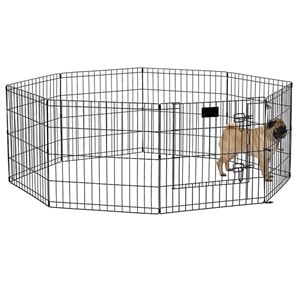
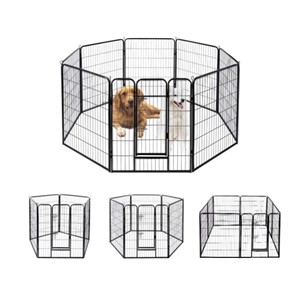
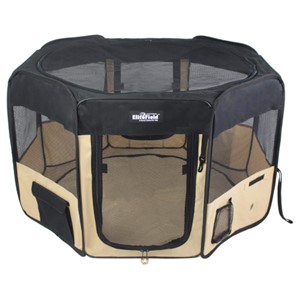
- Set up a designated area for puppy to hang out or play. You need to prepare an area for your puppy to play and hang out in. A play pen will do the job. By having a small area, you keep him restricted in cleaning up his accidents and controlling his movements around the house when you are in other rooms.
- Designate an outside potty spot. This is really important. You want your pet to do his business in the same area. So, you need to designate a spot where you take him to do it. Over time, he will go this area as he gets older.
- Limit access to rooms in the house or apartment. This cannot be stressed enough. You control where your puppy goes. It’s recommended to reward your pet 1 room per month when he does not have an accident or destroys things. When going into other rooms, use a leash.
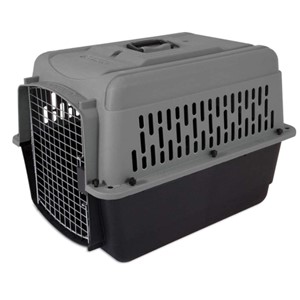
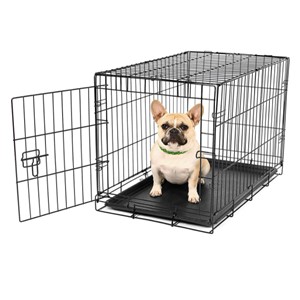
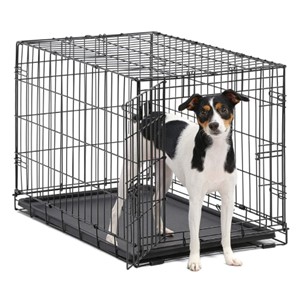
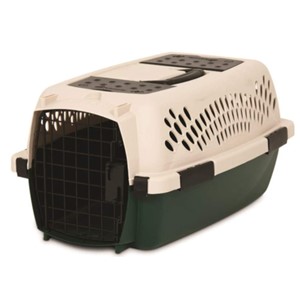
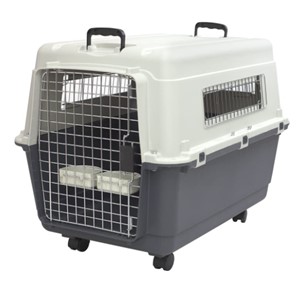
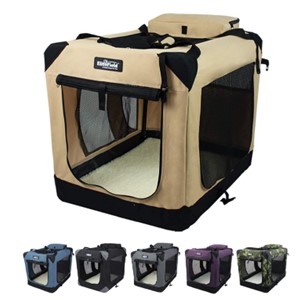
- Setup a crate for sleeping. Do not let your pet sleep in your bed. Before you bring your pet home, secure a crate. This will be his sleeping and rest place. New puppies will rest throughout the day and sleep at night.
Puppy Proofing the Yard
If you should own your own home, you will need to puppy proof the yard outside as well. Your puppy will explore everything and there are some dangerous plants and other things you need to do before you let your puppy play or roam outside.
- Remove Toxic Plants. See list below of plants that are poisonous to dogs. You can also fence off these areas.
- Fence around pool areas. If you have a ground-in pool, fence it off so puppy won’t fall in. Remove fencing if dog has been trained.
- Designate a puppy area. Designate a bathroom area for your dog.
- Keep lawn trimmed and brush controlled. Ticks like to hide in tall grasses and then latch on your dog.
- Keep puppy away if lawn was fertilized. If your lawn was recently treated with fertilizer, pesticides or insecticides, keep your pet away as the chemicals can be harmful to him.
- Clean up after puppy does his business. If not, you pet may just eat his own feces. Dogs view dung as a delicacy. American Kennel Club says, “it’s in the dogs DNA to eat feces.” So, keep the area clean when he is done.
List of Toxic House Plants
Below is a list of the toxic house plants that are poisonous to your dog. You do not want them in your home as your dog may eat a portion and suffer serious injury or death. If you have any of these plants, remove them before you bring home your puppy. Remove or fence off outside areas that have any of these plants.
Common Toxic Houseplants
- Aloe Vera
- Jade Plant
- Peace Lily
- Pothos
- Dieffenbachia
- Philodendron
- ZZ Plant
Toxic Outdoor Plants
- Oleander
- Azalea
- Daffodils
- Chrysanthemums
- Hyacinths:
- Hydrangeas
- Lilly of the Valley
- Rhododendron
- Sago Palm
- Tulips
- Foxglove
- Yew
List of Toxic Harmful Foods
The foods listed below from the, Animal Health Foundation, are considered harmful to your dog. They should be removed so your dog will not accidently eat any of them and get sick or even die.
Fruits
- Avocado
- Apricot Pits
- Cherry Pits
- Grapes
- Peach Pits
- Raisins
Sweeteners
- Xylitol
Drinks
- Alcohol
- Coffee
- Dairy
- Tea
Pantry Foods
- Cand
- Chocolate
- Cooked Bones
- Gum
- Onion Powder
- Onions
- Garlic
- Macadamia nuts
- Mushrooms
- Walnuts
Miscellaneous
- Fatty Foods
- Medications
- Moldy Foods
- Mustard Seeds
- Rhubarb Leaves
- Potato Leaves & Stems
- Yeast Dough
When Do Puppies Start Teething?
Teething is a normal part of your puppy’s growth and development. As your puppy’s baby teeth fall out and are replaced by permanent adult teeth, they may experience sore gums, increased chewing, drooling, and mild discomfort. Understanding the puppy teething timeline can help you recognize what’s normal and provide safe ways to ease the discomfort.
Most puppies begin losing their baby teeth between 12 and 16 weeks (3 to 4 months) of age. The most active stage of teething usually occurs between4 and 6 months, and by 6 to 7 months most puppies have all 42 permanent adult teeth.
Puppy Teething Timeline
- 3 to 6 weeks: Your puppy’s first 28 baby (deciduous) teeth begin to erupt.
- 12 to 16 weeks (3 to 4 months): Baby teeth start falling out as permanent adult teeth begin pushing through the gums.
- 4 to 6 months: This is the peak teething stage. The canine teeth and molars erupt, causing tender gums and a strong desire to chew.
- 6 to 7 months: Teething is usually complete, and your puppy should have all 42 adult teeth.
Common Signs Your Puppy Is Teething
During the teething stage, it’s normal for puppies to show several changes in behavior, including:
- Increased chewing: Puppies chew to relieve pressure and soreness in their gums. Furniture, shoes, toys, and even your hands may become tempting targets.
- Loose or missing teeth: You may find tiny baby teeth on the floor, although many puppies simply swallow them while eating.
- Sore or slightly bleeding gums: Mild redness, swelling, or small amounts of bleeding are common as new teeth erupt.
- Extra drooling: Increased saliva production often accompanies active teething.
- Mild irritability: Some puppies may seem fussier than usual because of gum discomfort.
- Reduced interest in hard food: Puppies with tender gums may temporarily prefer softer food or treats.
Although teething can be frustrating, it is a temporary stage. Providing safe chew toys, frozen treats designed for puppies, and plenty of supervision can help relieve discomfort while protecting your furniture and belongings.
Frequently Asked Questions
How do I puppy proof my house?
Walk through every room from your puppy’s eye level. Remove cords, toxic plants, medications, cleaning supplies, choking hazards, and anything valuable that could be chewed.
What is the biggest danger to puppies indoors?
Electrical cords, medications, cleaning products, toxic foods, and small objects that can be swallowed are among the most common household hazards.
At what age should I puppy proof my home?
Before bringing your puppy home. Young puppies explore everything with their mouths, so it’s best to prepare in advance.
Can I leave my puppy alone in the house?
Young puppies should only be left alone in a puppy-proofed area or crate for short periods, depending on their age and training.
What should I puppy proof before bringing my puppy home?
Before your puppy arrives, remove or secure anything they could chew, swallow, or knock over. This includes electrical cords, medications, cleaning supplies, toxic plants, dangerous foods, small objects, and valuable belongings. Set up a designated sleeping area, food and water bowls, and a safe play space.
How do I puppy proof an apartment?
Puppy proofing an apartment is similar to puppy proofing a house. Secure electrical cords, remove choking hazards, keep balconies and windows closed or screened, and use baby gates to limit access to certain rooms. Make sure your puppy has plenty of toys and exercise to help prevent boredom.
Should I let my puppy have free run of the house?
No. Young puppies should only have access to a small, puppy-proofed area until they are reliably house-trained and understand household rules. Gradually increase their access to additional rooms as they mature and demonstrate good behavior.
How long should I keep my house puppy proofed?
Most puppies begin to outgrow excessive chewing between six and twelve months of age, but every dog is different. Continue keeping hazardous items out of reach and supervise your puppy until you’re confident they can be trusted throughout the house.
Are electrical cords dangerous for puppies?
Yes. Puppies often chew electrical cords while teething, which can cause severe burns, electrocution, or even death. Hide cords behind furniture, use protective cord covers, or unplug appliances when they are not in use.
What household cleaners are dangerous to puppies?
Many common household cleaners contain chemicals that can be harmful if swallowed or inhaled. Bleach, ammonia, drain cleaners, toilet bowl cleaners, laundry detergent, and disinfectants should always be stored in secure cabinets and kept out of your puppy’s reach.
Which rooms should I puppy proof first?
Start with the rooms where your puppy will spend the most time, such as the living room, kitchen, bedroom, and bathroom. If possible, keep your puppy confined to these safe areas until the rest of your home has been puppy proofed.
Can puppies safely climb stairs?
Very young puppies should have limited access to stairs until they develop better coordination and confidence. Falling down stairs can cause serious injuries, especially in small or large breed puppies. Consider using baby gates until your puppy is older.
Is it okay to leave shoes and clothing on the floor?
It’s best to keep shoes, socks, clothing, and children’s toys picked up. Puppies naturally chew these items, and swallowing fabric can cause dangerous intestinal blockages that may require emergency surgery.
What are the most common household items puppies swallow?
Veterinarians frequently treat puppies that have swallowed socks, underwear, children’s toys, batteries, coins, rubber bands, hair ties, rocks, jewelry, and pieces of plastic. Keeping these items off the floor is one of the simplest ways to prevent emergencies.
How can I stop my puppy from chewing furniture?
Provide plenty of safe chew toys, rotate them regularly to keep your puppy interested, and supervise your puppy whenever they’re loose in the house. Redirect inappropriate chewing immediately and reward your puppy for chewing on approved toys instead.
Do I need a crate when bringing home a puppy?
While not required, a crate is highly recommended. It provides your puppy with a safe, comfortable place to rest, helps with house training, prevents destructive behavior when unsupervised, and can reduce anxiety by giving your puppy a space of their own.
Should I use baby gates for my puppy?
Yes. Baby gates are one of the easiest ways to control your puppy’s access to different areas of your home. They help keep your puppy away from stairs, kitchens, laundry rooms, or other locations that may contain hazards.
What should I do if my puppy eats something poisonous?
Contact your veterinarian or an emergency animal hospital immediately. Do not wait for symptoms to appear and never try to make your puppy vomit unless instructed by a veterinary professional. If possible, bring the product packaging or a sample of the substance with you.
When can I stop supervising my puppy indoors?
Most puppies require close supervision until they are fully house-trained and consistently avoid chewing inappropriate objects. Depending on the breed and individual dog, this may take several months to over a year. Even adult dogs should not have access to hazardous household items.
Conclusion
Puppy proofing your home is one of the best investments you can make before bringing home a new puppy. Removing hazards, creating safe spaces, and establishing routines will help prevent accidents while making training much easier. As your puppy grows and learns, you can gradually give them access to more areas of your home. A little preparation today can lead to years of happy, safe companionship
Shop Crates & Pens
You can shop for a crate that is best for your home or apartment. You will be able to Shop on Amazon to place the order, read customer reviews and answered questions.

Go back to the Dog Luxury Beds home page.